“Are you sure you want it medium-rare?” my friend asked skeptically as I pulled the thick ribeye from the fridge. Honestly, I used to be like that too—always overcooking steak because I was afraid of raw centers. But then one night, pressed for time and distracted by a buzzing phone, I tossed the steak on the pan and walked away for just a bit longer than usual. When I finally sliced into it, that warm pink center and buttery texture caught me off guard. I didn’t expect perfection from such a rushed attempt. This recipe for the perfect medium-rare ribeye steak with juicy, tender texture wasn’t born from a fancy technique or hours of marinating. Nope, it came from a happy accident and lots of repeated trials during late-night cooking sessions when I just needed a solid, satisfying meal.
There’s something quietly satisfying about the way the seared crust cracks under your knife and the juices pool gently on the plate. It’s that kind of steak that makes you pause, savor, and maybe even close your eyes for a second to soak it all in. Over time, I refined the timing, seasoning, and pan choice (trust me, the right cast iron pan is a game changer). Now it’s become my go-to recipe whenever steak cravings hit hard or I want to impress without sweating the details.
What really stuck with me about this medium-rare ribeye steak is how forgiving it is—once you know the basic rhythm, you can almost feel the steak telling you it’s ready. And hey, if you’re like me and sometimes cook for one, this recipe scales perfectly without losing that juicy, tender magic. It’s not about fancy ingredients or complicated steps, but about knowing your steak, your stove, and your timing just right. That’s why I’m sharing it here, so you can trust it to deliver that perfect steak experience, every single time.
Why You’ll Love This Recipe
Cooking the perfect medium-rare ribeye steak with a juicy, tender texture might sound intimidating, but I promise it’s easier than you think. After countless tests in my kitchen, I can confidently say this recipe nails the balance between simplicity and mouthwatering flavor.
- Quick & Easy: Ready in under 20 minutes, making it perfect for busy weeknights or spontaneous dinner plans.
- Simple Ingredients: No need for exotic spices or marinades. Just a few pantry staples like salt, pepper, and butter bring out the steak’s natural richness.
- Perfect for Special Occasions: Whether it’s a casual date night or a celebratory meal, this ribeye never fails to impress with its tender, juicy bite.
- Crowd-Pleaser: Family and friends keep asking for this steak again and again — it’s that reliably delicious.
- Unbelievably Delicious: The seared crust contrasts beautifully with the tender, pink center for a steak that’s juicy but not greasy.
This isn’t just any steak recipe. The secret lies in a few key steps: letting the ribeye reach room temperature before cooking, seasoning generously but simply, and mastering the pan sear without overcooking. I also swear by finishing the steak with a touch of butter and fresh herbs, giving it that restaurant-quality gloss and aroma. If you’ve tried other steak recipes but found them dry, tough, or unevenly cooked, this one corrects those mistakes with ease.
Plus, this recipe pairs beautifully with sides like bacon-wrapped grilled corn or lemon garlic shrimp with asparagus, so you’ve got your dinner sorted entirely.
What Ingredients You Will Need
This recipe uses a handful of straightforward, wholesome ingredients that highlight the ribeye’s natural flavor and texture. You won’t find anything fussy here—just quality basics that make all the difference.
- Ribeye Steak: Choose a cut about 1 to 1.5 inches thick (450-680g). Look for good marbling—those little fat streaks are what keep the steak juicy and tender.
- Salt: Coarse kosher salt or sea salt is best for seasoning. It helps create that savory crust during searing.
- Freshly Ground Black Pepper: Adds a subtle heat and depth without overpowering the beef.
- Unsalted Butter: About 2 tablespoons (30g), for basting the steak to keep it moist and add richness. I personally like using Kerrygold for its creamy flavor.
- Garlic Cloves: 2-3 smashed cloves add an aromatic punch when basting.
- Fresh Herbs: A few sprigs of thyme or rosemary provide an earthy fragrance that complements beef beautifully.
- High Smoke Point Oil: Such as avocado or grapeseed oil (1-2 tablespoons). This prevents burning during the initial sear.
If you want to tweak the recipe, feel free to swap the fresh herbs for dried oregano or tarragon. Also, choosing grass-fed ribeye can add a different flavor profile, though it may cook a bit quicker due to leaner fat content. For those avoiding dairy, you can substitute butter with a plant-based margarine or extra oil, but the buttery finish really does elevate the steak’s texture.
Equipment Needed
- Cast Iron Skillet: A heavy pan that holds and distributes heat evenly is essential for that perfect sear. I’ve tried stainless steel pans, but cast iron wins every time for crust development.
- Tongs: For safely flipping the steak without piercing it and losing juices.
- Instant-Read Meat Thermometer: Helps nail the medium-rare temperature (130-135°F / 54-57°C) without guesswork.
- Plate and Foil: For resting the steak post-cooking, which allows juices to redistribute.
- Small Saucepan or Butter Warmer (optional): Handy if you want to prep your herb butter separately.
If you don’t have a cast iron skillet, a heavy-bottomed stainless steel pan will do, but be extra careful with heat control. I’ve learned the hard way that thinner pans can lead to uneven searing or burnt spots. Also, taking care of your cast iron by seasoning it regularly ensures it stays non-stick and rust-free, making all future steaks better.
Preparation Method
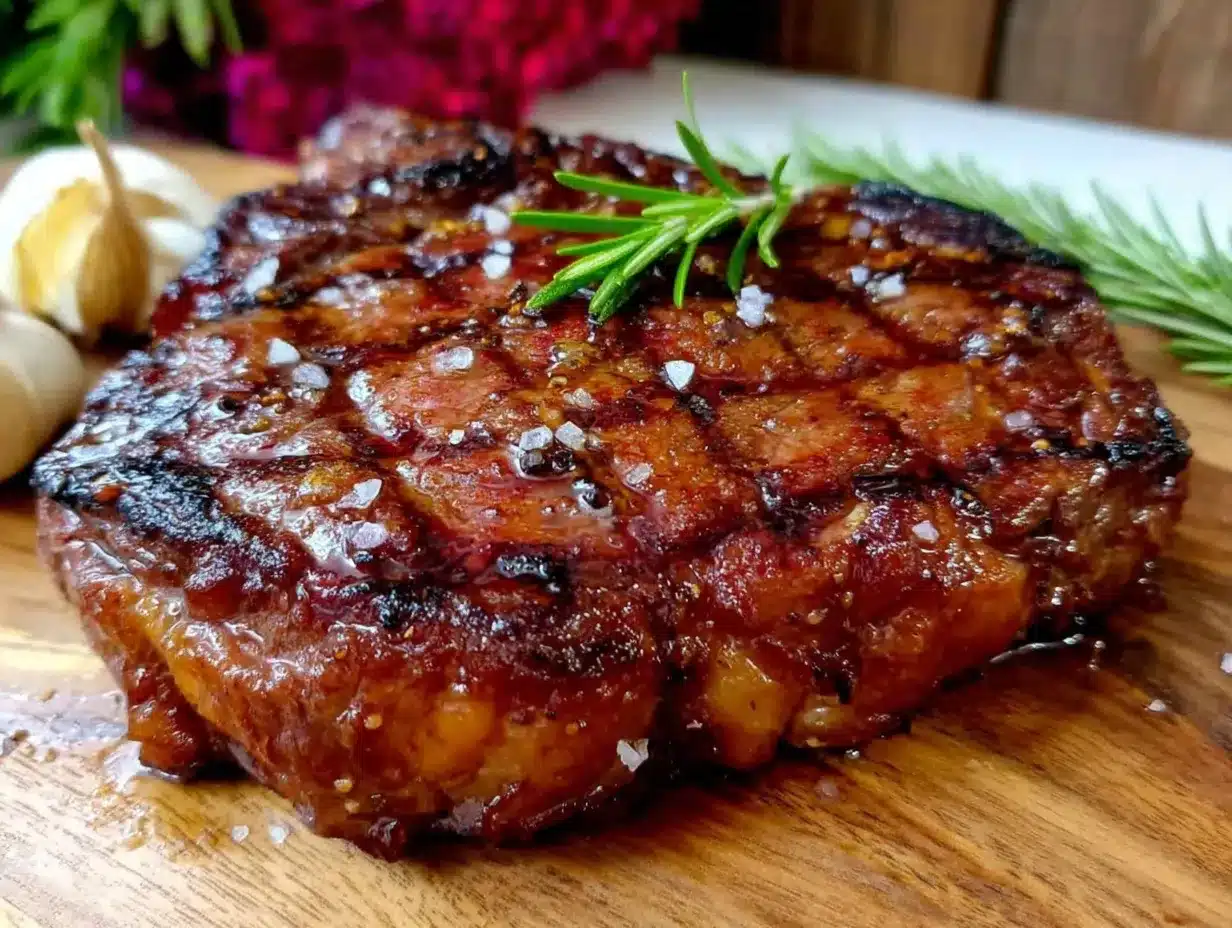
- Bring the Ribeye to Room Temperature: Take the steak out of the fridge about 30-45 minutes before cooking. This helps it cook evenly. (If you skip this, the center can end up cooler than you want.)
- Season Generously: Pat the steak dry with paper towels. Sprinkle kosher salt and freshly ground black pepper on both sides—don’t be shy. The salt forms that tasty crust during searing.
- Preheat Your Pan: Place your cast iron skillet over medium-high heat for about 5 minutes until it’s screaming hot. Add 1-2 tablespoons of high smoke point oil and swirl to coat.
- Sear the Steak: Carefully lay the ribeye in the pan—you should hear an immediate, loud sizzle. Sear without moving for about 3-4 minutes until a dark brown crust forms. Flip and sear the other side for another 3 minutes.
- Add Butter and Aromatics: Lower the heat to medium. Add butter, smashed garlic cloves, and fresh thyme or rosemary to the pan. Tilt the pan slightly and use a spoon to baste the steak continuously with the melted butter and herb-infused oil for about 1-2 minutes. This locks in moisture and layers flavor.
- Check Doneness: Insert an instant-read thermometer into the thickest part of the steak. Medium-rare is 130-135°F (54-57°C). If it’s not quite there, keep basting and cooking for another minute or two. Avoid poking too much to keep juices sealed inside.
- Rest the Steak: Transfer the ribeye to a warm plate and cover loosely with foil. Let it rest for 5-10 minutes. This step is crucial—cutting too soon causes precious juices to run out, leaving the steak dry.
- Slice and Serve: Slice against the grain for maximum tenderness. Serve immediately and enjoy that juicy, tender texture.
One thing I learned the hard way: rushing the resting period or flipping the steak repeatedly ruins the crust and texture. Also, avoid pressing down on the steak with your spatula—let it develop that crust naturally. If you want to impress your guests with a juicy ribeye, timing and patience during resting are your allies.
Cooking Tips & Techniques
Mastering the perfect ribeye is partly about technique and partly about intuition. Here are some pointers I’ve picked up after many steaks gone wrong (and right):
- Don’t Skip the Room Temperature Step: Cooking straight from the fridge shocks the meat, resulting in uneven cooking. I admit, sometimes I’m impatient, but it always pays off to wait.
- Use a Hot Pan: The sear depends on high heat. If your pan isn’t hot enough, you’ll get a pale, steamed steak instead of that gorgeous crust.
- Keep the Butter Moving: When basting with butter and herbs, tilt the pan and spoon the melted butter over the steak continuously. This keeps the surface moist and adds flavor.
- Resist the Urge to Flip Often: One flip is enough. Constant flipping interrupts crust formation.
- Don’t Overcook: Check the internal temperature early, especially if your steak is thinner than 1 inch. Cooking even a minute too long can turn tender meat tough.
- Resting is Non-negotiable: It may be tempting to cut right away, but resting lets the juices redistribute. I learned this after a dry steak disaster once!
Multitasking in the kitchen is always a challenge, but keep your focus during the sear. I find that prepping my sides before starting the steak saves stress, so by the time the steak rests, everything else is ready to plate.
Variations & Adaptations
While the classic medium-rare ribeye is a winner, here are a few ways to tweak it based on your preferences or dietary needs:
- Garlic Butter Twist: Mix softened butter with minced garlic and parsley, then dollop it on the steak right before serving for an extra flavor punch.
- Herb Crust Variation: Crush dried rosemary, thyme, and cracked pepper with salt and rub it on the steak before cooking for an aromatic crust. Great if fresh herbs aren’t handy.
- Grilled Version: If you prefer grilling, sear the steak on high heat for 3-4 minutes per side, then move to indirect heat to finish to medium-rare. This method adds a smokier flavor.
- Allergy-Friendly: Skip butter and use avocado oil for basting if you’re dairy-sensitive. The texture will be slightly different but still juicy and tender.
- Spicy Kick: Add a pinch of smoked paprika or cayenne pepper to the seasoning for subtle heat that wakes up the steak.
I personally tried the garlic butter variation for a small dinner party once, and it was a hit. It’s also fun to pair this steak with a fresh salad like a crisp cucumber tomato onion salad for a lighter balance.
Serving & Storage Suggestions
Serve your perfect medium-rare ribeye steak hot, right after resting. I like to plate it with simple sides that don’t overpower the beef—think roasted vegetables, creamy mashed potatoes, or a fresh salad. A glass of bold red wine or a crisp beer pairs beautifully with the rich flavors.
If you have leftovers (which is rare!), wrap the steak tightly in foil or place it in an airtight container. Refrigerate for up to 3 days. To reheat, gently warm in a skillet over low heat or in the oven at 250°F (120°C) wrapped in foil to prevent drying out. Avoid microwaving, which can toughen the meat.
Flavors tend to mellow and deepen after resting overnight, so some people enjoy cold steak slices in sandwiches or salads the next day. Just remember, reheating gently is key to keeping that juicy, tender texture intact.
Nutritional Information & Benefits
A 6-ounce (170g) ribeye steak cooked medium-rare provides approximately:
| Nutrient | Amount |
|---|---|
| Calories | 450-500 kcal |
| Protein | 40-45g |
| Fat | 35-40g |
| Iron | 15% of daily value |
Ribeye is a rich source of high-quality protein and essential nutrients like iron and zinc, which support muscle health and immunity. The marbling fat adds flavor and tenderness but also increases calorie content, so portion control matters if you’re watching intake.
This recipe is naturally gluten-free and low-carb, making it compatible with a variety of diets. Just watch the sides if you want to keep it keto-friendly or pair it with fresh veggies for a balanced meal.
Conclusion
This perfect medium-rare ribeye steak recipe delivers juicy, tender results that you can count on again and again. It’s simple but precise, with just enough technique to make you feel like a steak pro. Whether you’re cooking for one or hosting a casual dinner, this recipe is flexible and forgiving.
I love this recipe because it takes the guesswork out of steak cooking and rewards you with that satisfying crust and pink center every time. The few minutes of patience and attention pay off big time on flavor and texture.
Give it a try, tweak it to your taste, and don’t forget to share your own twists or questions in the comments—I’d love to hear how your steak journey goes!
FAQs About Perfect Medium-Rare Ribeye Steak
How do I know when my ribeye is perfectly medium-rare?
The best way is to use an instant-read thermometer. Medium-rare is between 130°F to 135°F (54°C to 57°C). The steak should feel warm and slightly soft when pressed.
Can I use a different cut of steak for this recipe?
Yes, but cooking times may vary. Ribeye is ideal for its marbling, but New York strip or filet mignon can also work with some adjustments.
What if I don’t have a cast iron skillet?
A heavy-bottomed stainless steel pan is a good substitute. Just be sure it heats evenly and get it hot before adding the steak.
Should I oil the steak or the pan?
It’s better to oil the pan with a high smoke point oil like avocado or grapeseed oil to prevent burning and help achieve a nice crust.
Can I prepare the steak ahead of time?
You can season the steak a few hours before cooking and keep it uncovered in the fridge for a dry brine effect. Just bring it back to room temperature before cooking.
Pin This Recipe!
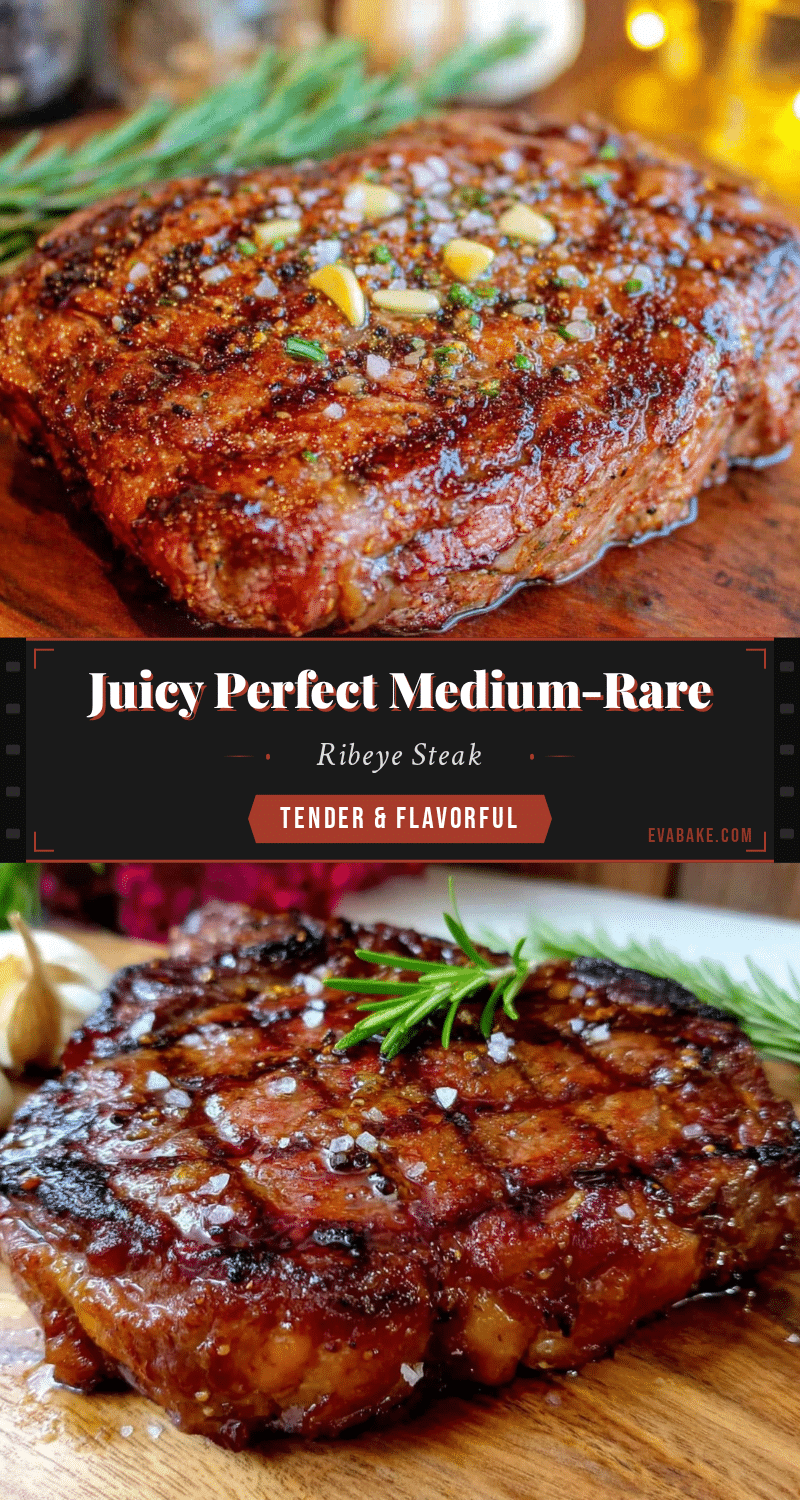
Perfect Medium-Rare Ribeye Steak
A simple and reliable recipe for cooking a juicy, tender medium-rare ribeye steak with a flavorful seared crust and buttery finish.
- Prep Time: 30-45 minutes (including bringing steak to room temperature)
- Cook Time: 10-12 minutes
- Total Time: 40-57 minutes
- Yield: 1 serving 1x
- Category: Main Course
- Cuisine: American
Ingredients
- 1 ribeye steak, 1 to 1.5 inches thick (450-680g / approx. 1 to 1.5 lbs)
- Coarse kosher salt or sea salt, to taste
- Freshly ground black pepper, to taste
- 2 tablespoons (30g) unsalted butter
- 2–3 garlic cloves, smashed
- A few sprigs of fresh thyme or rosemary
- 1–2 tablespoons high smoke point oil (such as avocado or grapeseed oil)
Instructions
- Bring the ribeye steak to room temperature by taking it out of the fridge 30-45 minutes before cooking.
- Pat the steak dry with paper towels. Season generously on both sides with kosher salt and freshly ground black pepper.
- Preheat a cast iron skillet over medium-high heat for about 5 minutes until very hot. Add 1-2 tablespoons of high smoke point oil and swirl to coat the pan.
- Place the ribeye in the pan carefully; you should hear a loud sizzle. Sear without moving for 3-4 minutes until a dark brown crust forms.
- Flip the steak and sear the other side for about 3 minutes.
- Lower the heat to medium. Add butter, smashed garlic cloves, and fresh herbs to the pan. Tilt the pan and baste the steak continuously with the melted butter and herb-infused oil for 1-2 minutes.
- Check the internal temperature with an instant-read thermometer; medium-rare is 130-135°F (54-57°C). If not done, continue basting and cooking for another minute or two.
- Transfer the steak to a warm plate and cover loosely with foil. Let it rest for 5-10 minutes to allow juices to redistribute.
- Slice the steak against the grain and serve immediately.
Notes
Letting the steak come to room temperature before cooking ensures even cooking. Use a hot cast iron pan for a perfect sear. Rest the steak for 5-10 minutes after cooking to keep it juicy. Avoid flipping the steak more than once and do not press down on it while cooking. For dairy-free option, substitute butter with plant-based margarine or extra oil.
Nutrition
- Serving Size: 1 ribeye steak (6 oz
- Calories: 450500
- Fat: 3540
- Protein: 4045
Keywords: ribeye steak, medium-rare steak, steak recipe, cast iron steak, juicy steak, tender steak, easy steak recipe