My husband did not trust meatloaf. The man had been burned one too many times by dry, gray slabs of seasoned ground beef that crumbled into dust on the fork. He called it “depression food on a plate” and I honestly couldn’t argue with him based on what he’d been served over the years. So when I told him I was developing a Classic Meatloaf with Brown Sugar Ketchup Glaze for the blog, he gave me that look—the one that says “I’ll eat it because I love you, but don’t expect a standing ovation.”
I get it. Meatloaf has a reputation problem. It’s the kind of dish people associate with school cafeterias or sad leftovers reheated in a microwave at 2 PM on a Tuesday. But here’s the thing—a properly made meatloaf? One that’s tender, juicy, and glazed with a sticky-sweet brown sugar ketchup topping that caramelizes into something almost candied? That’s not depression food. That’s a hug in loaf form.
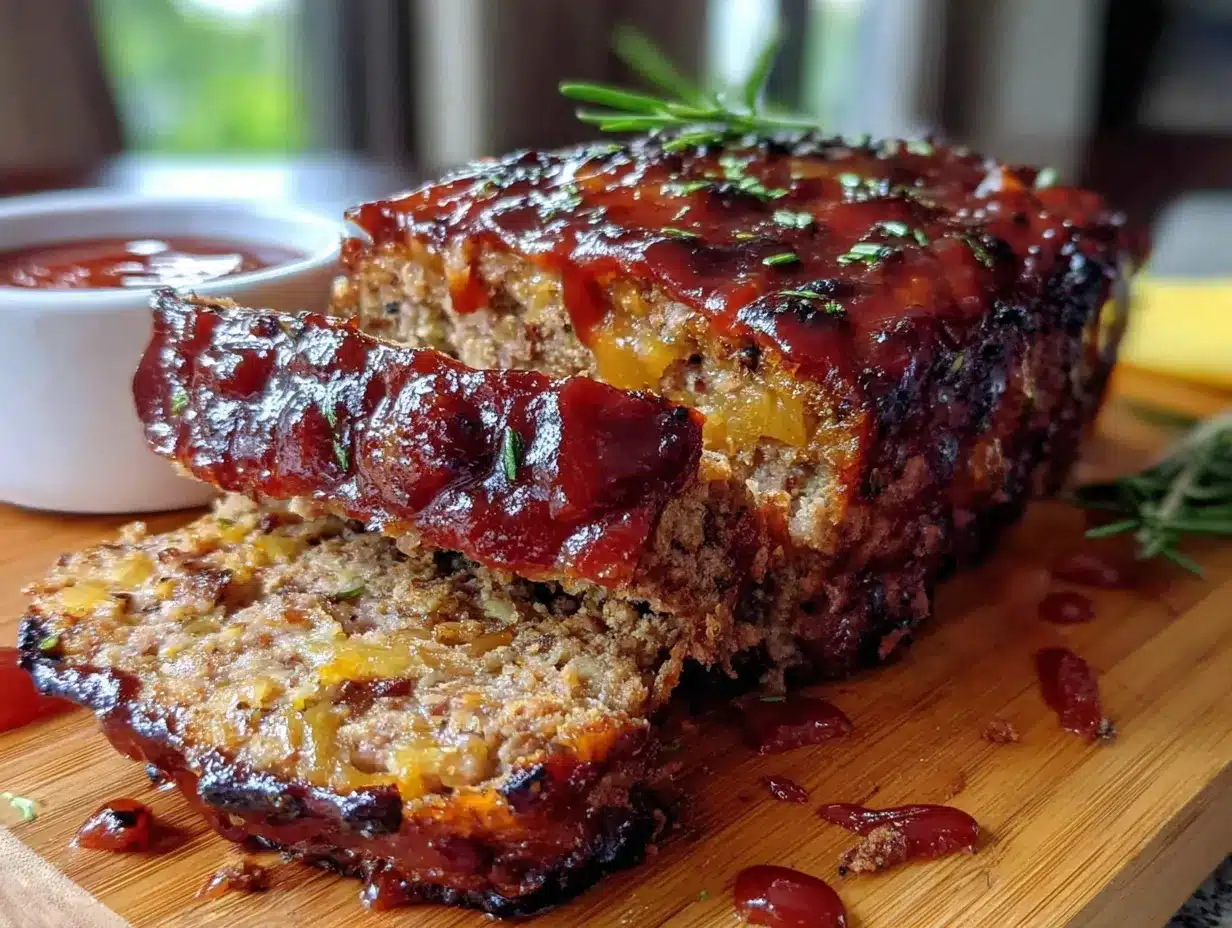
The first time I pulled this version out of the oven, the kitchen smelled like Friday night dinner at someone’s grandmother’s house—if that grandmother knew her way around a balance of savory and sweet. The glaze had set into this gorgeous, lacquered crust that caught the light. I let it rest (the hardest ten minutes of any cooking process, honestly) and sliced into it. No crumbling. No dry patches. Just a moist, perfectly seasoned slice with that sticky-sweet top clinging to every bite.
My husband ate three slices. Then he asked if there was enough for lunch the next day. That’s when I knew this recipe was a keeper.
Why You’ll Love This Recipe
This isn’t just another meatloaf recipe you’ll scroll past and forget about. I’ve tested this one more times than I care to admit—through a dry phase, a too-wet phase, a “why is this falling apart” phase, and finally, the phase where everything clicked. Here’s what makes this version different from the rest:
- Incredibly Moist : The secret is a combination of milk-soaked breadcrumbs and finely grated onion that releases moisture as it cooks. No dry meatloaf here—ever.
- That Brown Sugar Ketchup Glaze : This isn’t just ketchup smeared on top. The brown sugar caramelizes into a sticky, tangy-sweet crust that complements the savory meat perfectly. It’s honestly the best part.
- Simple Pantry Ingredients : You probably have everything you need already. No trips to specialty stores or hunting down obscure spices.
- Comes Together Quickly : Active prep time is about 15 minutes. The oven does the rest of the work while you tackle other things.
- Crowd-Pleaser Status : I’ve served this to picky kids, skeptical in-laws, and my husband’s meatloaf-hating friends. Every single person went back for seconds.
- Leftovers Are Legendary : Cold meatloaf sandwiches the next day? With that glaze still clinging to the bread? Absolute perfection.
This recipe earned its spot in my regular rotation because it delivers comfort without compromise. It’s the kind of meal that makes a Tuesday night feel like something special, and honestly, we all deserve more of those.
What Ingredients You Will Need
This recipe uses straightforward ingredients that work together to create something genuinely greater than the sum of their parts. Here’s what you’ll need and why each one matters:
For the Meatloaf
- Ground beef (80/20) : 2 pounds. The 80/20 ratio is key here. Leaner beef (like 90/10) will give you a drier loaf. The fat content keeps things moist and flavorful. I’ve tried 85/15 in a pinch and it works, but 80/20 is my go-to.
- Breadcrumbs : 1 cup plain, unseasoned. I use Progresso or make my own from stale bread. Panko works too, but you’ll get a slightly looser texture.
- Whole milk : ½ cup. This soaks into the breadcrumbs and creates what’s called a “panade” (fancy French word for bread-milk paste). It’s what keeps the meatloaf tender instead of dense.
- Yellow onion : 1 medium, finely grated. Grating the onion (rather than chopping) releases its moisture and ensures it melts into the meat. No crunchy onion bits here—just flavor throughout.
- Garlic : 3 cloves, minced. Fresh garlic only, please. The jarred stuff has a different vibe that doesn’t work as well here.
- Large eggs : 2, lightly beaten. These bind everything together and add richness.
- Worcestershire sauce : 2 tablespoons. This adds that deep, savory umami flavor that makes meatloaf taste like meatloaf. I prefer Lea & Perrins.
- Ketchup : ¼ cup (for the meat mixture). Adds a touch of sweetness and acidity to the meat itself.
- Dijon mustard : 1 tablespoon. Don’t skip this—it cuts through the richness and adds a subtle tang.
- Fresh parsley : 2 tablespoons, chopped (optional but nice). Adds freshness and color.
- Salt : 1½ teaspoons.
- Black pepper : ½ teaspoon, freshly ground.
- Dried thyme : ½ teaspoon. Earthy and subtle, it complements the beef without overpowering it.
For the Brown Sugar Ketchup Glaze
- Ketchup : ½ cup. Use a good quality one—Heinz is my standard.
- Brown sugar : ¼ cup, packed. Light or dark both work. Dark brown sugar gives a deeper molasses flavor that I personally love.
- Apple cider vinegar : 1 tablespoon. Balances the sweetness with a little tang.
- Worcestershire sauce : 1 teaspoon. Adds another layer of savory depth to the glaze.
- Garlic powder : ½ teaspoon. Not the same as fresh, but in the glaze, it works better.
Ingredient Note : If you’re out of fresh breadcrumbs, you can use ¾ cup of rolled oats instead. It changes the texture slightly (makes it a bit more rustic), but it’s a great substitute in a pinch. For a gluten-free version, use certified gluten-free breadcrumbs or oats.
Equipment Needed
You don’t need a fancy kitchen to pull off this recipe. Here’s what you’ll want to have on hand:
- Large mixing bowl : Big enough to get your hands in there and mix everything without making a mess. I use a big ceramic bowl that belonged to my grandmother.
- 9×5-inch loaf pan : Standard size works perfectly. If you don’t have one, you can shape the meatloaf free-form on a lined baking sheet—it’ll cook a bit faster and develop more crust.
- Box grater or Microplane : For grating the onion. A box grater with medium holes is perfect. A food processor with a grating disc works too if you’re feeling fancy.
- Small bowl : For mixing the glaze ingredients together.
- Pastry brush or spoon : For spreading the glaze. A brush gives you a more even coat, but a spoon works just fine.
- Baking sheet : Place the loaf pan on a baking sheet to catch any drips. Trust me, there will be drips, and you don’t want them burning on the bottom of your oven.
- Meat thermometer : This is non-negotiable for me. An instant-read thermometer takes the guesswork out of doneness. No more cutting into the middle to check and losing all those precious juices.
- Cooling rack : For letting the meatloaf rest after baking. If you don’t have one, just let it rest in the pan for a few minutes before transferring.
Budget Tip : Skip the fancy loaf pans. A basic metal one from the grocery store works perfectly. I’ve had mine for years and it’s never let me down.
Preparation Method
Alright, let’s get cooking. I’ll walk you through every step so there’s no guesswork.
- Preheat your oven to 350°F (175°C). Position the rack in the middle of the oven. While it’s heating up, line a baking sheet with foil or parchment paper and place your loaf pan on top. This makes cleanup infinitely easier.
- Soak the breadcrumbs. In the large mixing bowl, combine the breadcrumbs and milk. Stir them together and let them sit for 5 minutes. The breadcrumbs will absorb the milk and turn into a thick, porridge-like paste. This is your panade, and it’s the foundation of a tender meatloaf. Don’t rush this step—the breadcrumbs need time to fully hydrate.
- Grate the onion. While the breadcrumbs are soaking, grate your onion using the medium holes of a box grater. You’ll get about ½ cup of grated onion with all its juices. Don’t drain the liquid—that moisture is gold for keeping your meatloaf tender. Set it aside.
- Prepare the glaze. In a small bowl, whisk together the ½ cup ketchup, packed brown sugar, apple cider vinegar, Worcestershire sauce, and garlic powder. Set this aside for later. The flavors will meld while you prep the meat mixture.
- Mix the meatloaf ingredients. To the bowl with the soaked breadcrumbs, add the grated onion (with its juices), minced garlic, beaten eggs, Worcestershire sauce, ¼ cup ketchup, Dijon mustard, parsley (if using), salt, pepper, and dried thyme. Stir everything together until well combined. It should look like a thick, fragrant paste.
- Add the ground beef. Add the ground beef to the bowl. Now, here’s where a lot of people go wrong—they overmix. Use your hands (clean hands, obviously) and gently combine everything until the ingredients are just incorporated. You want to see no more streaks of raw egg or pockets of breadcrumb mixture, but you don’t want to squeeze and compact the meat. Overworking it will give you a dense, tough meatloaf. Think gentle folding motions, not aggressive kneading.
- Shape and load the pan. Transfer the meat mixture to your loaf pan. Don’t just dump it in—gently press it into the pan, making sure it fills the corners evenly. Shape it so the top is slightly rounded in the middle. This gives you a nice domed top after baking.
- Apply the first layer of glaze. Using a pastry brush or the back of a spoon, spread about half of the glaze evenly over the top of the meatloaf. Reserve the rest for later. Don’t let the glaze drip down the sides too much—it can burn on the pan.
- Bake for 45 minutes. Place the loaf pan (on the baking sheet) in the oven and bake for 45 minutes. The kitchen will start smelling incredible around the 20-minute mark. Resist the urge to open the oven door—temperature fluctuations can affect cooking time.
- Apply the second layer of glaze. After 45 minutes, carefully remove the meatloaf from the oven. Spoon the remaining glaze over the top and spread it evenly. Return the meatloaf to the oven and bake for another 15-20 minutes.
- Check for doneness. The meatloaf is done when an instant-read thermometer inserted into the center registers 160°F (71°C). This is the safe internal temperature for ground beef. If you don’t have a thermometer, look for clear juices running from the meat (not pink) and the glaze should be dark and caramelized.
- Rest the meatloaf. This is the hardest part, but don’t skip it. Remove the meatloaf from the oven and let it rest in the pan for 10 minutes. The temperature will continue to rise a few degrees (carryover cooking), and the juices will redistribute throughout the loaf. Cutting into it too early means all those flavorful juices end up on the cutting board instead of in your mouth.
- Slice and serve. After resting, carefully transfer the meatloaf to a cutting board. Use a sharp knife to slice it into 1-inch thick pieces. The glaze will be sticky and gorgeous, and the inside should be moist but not raw. Serve immediately with your favorite sides.
Pro Tip : If you want extra caramelization on the glaze, switch your oven to broil for the last 2-3 minutes of baking. Watch it carefully—brown sugar burns fast under the broiler. I’ve learned this the hard way more times than I’d like to admit.
Cooking Tips & Techniques
Over the years, I’ve made enough meatloaf mistakes for both of us. Here’s what I’ve learned so you don’t have to repeat my failures:
Don’t skip the panade. I once thought I could save time by skipping the milk-soaked breadcrumb step. The result was a dense, dry meatloaf that my husband politely called “rustic.” The panade is non-negotiable—it’s what keeps the meatloaf tender and moist.
Use a light hand when mixing. This is the most common mistake I see. People treat meatloaf like they’re making bread dough, kneading and pressing until everything is compact. Stop. Mix just until combined. Overmixing activates the proteins in the meat, making the final loaf tough and dense. You want tender, not tough.
Let it rest. I cannot stress this enough. The ten-minute rest after baking isn’t just for show. It allows the juices to redistribute, so every slice is moist instead of having a puddle of liquid on the cutting board while the meat dries out. Set a timer if you have to.
Use a meat thermometer. I know I’ve mentioned this already, but it’s worth repeating. Visual cues are unreliable. A thermometer takes the guesswork out completely. I use a Thermapen and it’s been worth every penny.
Grate, don’t chop, the onion. Chopped onion releases less moisture and leaves little crunchy bits in the meatloaf. Grating the onion creates a paste that melts into the meat, adding flavor and moisture without texture issues. It’s a small change that makes a big difference.
Multitask wisely. While the meatloaf bakes, you have about an hour to prepare sides. I like to make mashed potatoes or roasted vegetables during that time. If you’re making something like honey butter skillet cornbread, you can pop it in the oven during the last 20 minutes of the meatloaf’s cooking time. Everything finishes together, and you have a complete meal with minimal stress.
Watch the glaze. Brown sugar burns quickly. If you notice the glaze getting too dark before the meatloaf is fully cooked, tent a piece of foil loosely over the top. This will slow down the caramelization without stopping the cooking process.
Variations & Adaptations
One of the best things about meatloaf is how adaptable it is. Here are some variations I’ve tried and loved:
Turkey Meatloaf : Swap the ground beef for ground turkey (93/7 works best—leaner turkey will be dry). Add 2 tablespoons of olive oil to the mixture to compensate for the lower fat content. The cooking time stays about the same, but check the internal temperature at 55 minutes—turkey cooks slightly faster.
Cheese-Stuffed Meatloaf : Press half the meat mixture into the pan, make a shallow well down the center, and fill it with shredded cheddar or mozzarella (about ½ cup). Top with the remaining meat mixture, seal the edges, and bake as directed. The melted cheese center is ridiculous in the best way.
BBQ Glaze Variation : Swap the brown sugar ketchup glaze for your favorite barbecue sauce mixed with a tablespoon of honey. This gives the meatloaf a smoky, Southern-style flavor that’s perfect for summer cookouts. Serve it with salsa verde chicken taco bowls for a fun dinner twist.
Italian-Style Meatloaf : Add ¼ cup grated Parmesan cheese, 1 teaspoon dried oregano, and ½ teaspoon red pepper flakes to the meat mixture. Swap the ketchup glaze for marinara sauce mixed with a tablespoon of brown sugar. Serve with pasta or as a giant meatball sandwich.
Low-Carb Version : Replace the breadcrumbs with ½ cup almond flour and skip the milk (use 2 tablespoons of water instead). The texture will be slightly more delicate, but the flavor is still fantastic. The glaze has sugar, so this isn’t keto-friendly, but it’s lower in carbs than the original.
Mini Meatloaves : Divide the mixture into a muffin tin (greased or lined) and bake for 20-25 minutes. These are perfect for meal prep or portion control. Kids especially love having their own little meatloaf.
I’ve tried the Italian variation with cottage cheese lasagna roll-ups for a full Italian-inspired dinner night, and it was a huge hit. The leftovers made incredible sandwiches the next day.
Serving & Storage Suggestions
Serving : Serve the meatloaf warm, sliced into 1-inch thick pieces. The classic pairing is mashed potatoes and a green vegetable—green beans, peas, or roasted broccoli all work wonderfully. The brown sugar ketchup glaze acts as a built-in sauce, so you don’t need gravy (though I won’t stop you if you want both).
For a complete comfort food dinner, serve this alongside creamy tomato soup with grilled cheese on the side for dipping. It’s an unconventional pairing, but trust me—the combination of savory meatloaf and tangy tomato soup is unexpectedly perfect.
Storage : Leftover meatloaf keeps beautifully in the refrigerator for up to 4 days. Wrap it tightly in foil or store it in an airtight container. The flavors actually deepen overnight as they meld together.
Freezing : This meatloaf freezes wonderfully. Let it cool completely, wrap it tightly in plastic wrap, then foil, and freeze for up to 3 months. To thaw, transfer it to the refrigerator overnight. Reheat slices in a 350°F oven for 10-15 minutes, or in the microwave for a quicker option.
Reheating : For best results, reheat slices in a skillet over medium heat with a splash of water or beef broth. Cover the pan with a lid to trap steam, and heat for 3-4 minutes per side. This revives the moisture without drying out the meat. The microwave works in a pinch, but the texture won’t be as good.
The Sandwich Factor : Cold meatloaf sandwiches are a thing of beauty. Slice the cold meatloaf thickly, layer it on toasted bread with a smear of mayo or leftover glaze, add some crisp lettuce and tomato, and you’ve got lunch that beats any deli sandwich. I sometimes add a slice of cheddar cheese for extra indulgence.
Nutritional Information & Benefits
Here’s the estimated nutritional breakdown for one serving (based on 8 servings per loaf):
| Nutrient | Amount per Serving |
|---|---|
| Calories | 385 |
| Protein | 28g |
| Fat | 22g |
| Saturated Fat | 8g |
| Carbohydrates | 18g |
| Fiber | 1g |
| Sugar | 12g |
| Sodium | 680mg |
Health Benefits : Ground beef is an excellent source of high-quality protein, iron, zinc, and B vitamins (especially B12). The onions and garlic in this recipe provide antioxidants and anti-inflammatory compounds. While this isn’t a health food by any stretch, it’s a balanced meal that fits into a well-rounded diet—especially when paired with vegetables and whole grains.
Dietary Considerations : This recipe contains gluten (from breadcrumbs), dairy (from milk), and eggs. For gluten-free, use certified gluten-free breadcrumbs or rolled oats. For dairy-free, substitute the milk with unsweetened almond milk or oat milk. The eggs are harder to replace—flax eggs work but change the texture significantly.
Allergen Note : Worcestershire sauce contains anchovies (fish) and soy, so those with fish or soy allergies should use a substitute like coconut aminos mixed with a splash of vinegar.
Conclusion
This Classic Meatloaf with Brown Sugar Ketchup Glaze has completely changed my family’s opinion on what meatloaf can be. It’s tender without being mushy, flavorful without being complicated, and that sticky-sweet glaze is honestly addictive. I’ve made it for Sunday dinners, weeknight meals, and even brought it to a potluck where it disappeared in ten minutes flat.
The best part? It’s forgiving. You can tweak the seasonings, swap the meat, or change up the glaze, and it still comes out delicious. That’s the kind of recipe you want in your back pocket—the one you can rely on when you need a comforting, satisfying meal without any drama.
I’d love to hear how yours turns out. Did you try a variation? Did your picky eater go back for seconds? Drop a comment below and let me know. And if you share a photo on Pinterest, tag me—I love seeing your versions in the wild. Happy cooking, friends!
Frequently Asked Questions
Can I make this meatloaf ahead of time?
Absolutely. You can assemble the meatloaf (without the glaze) up to 24 hours in advance, cover it tightly, and refrigerate. When you’re ready to bake, add the glaze and extend the cooking time by about 10-15 minutes since you’re starting from a cold pan. The flavors actually meld together beautifully overnight.
Why is my meatloaf falling apart?
This usually happens for one of two reasons: either the mixture was too wet (too much milk or onion juice without enough binder) or it wasn’t allowed to rest long enough after baking. Make sure you’re measuring the breadcrumbs and milk accurately, and don’t skip the 10-minute rest. The eggs and panade act as binders, but they need time to set.
Can I use ground pork or a meat mix?
Yes! A combination of ground beef and ground pork (1 pound each) makes an incredibly flavorful and moist meatloaf. You can also use ground veal or a pre-made meatloaf mix if your grocery store carries it. Just adjust the cooking time slightly—pork cooks to 160°F same as beef, so the temperature check remains the same.
How do I prevent the glaze from burning?
Brown sugar burns quickly, especially if your oven runs hot. If you notice the glaze getting too dark around the 45-minute mark, tent a piece of foil loosely over the top of the meatloaf. This will shield the glaze from direct heat while the meat continues to cook through. Also, avoid letting the glaze drip down the sides of the pan—it pools and burns there.
What can I serve with meatloaf besides mashed potatoes?
So many options! Roasted vegetables (carrots, Brussels sprouts, or green beans), a simple side salad, rice pilaf, roasted potatoes, or even a hearty soup like creamy cheeseburger potato soup for a double-comfort meal. For a lighter option, try a crisp coleslaw or steamed asparagus with lemon.
Pin This Recipe!
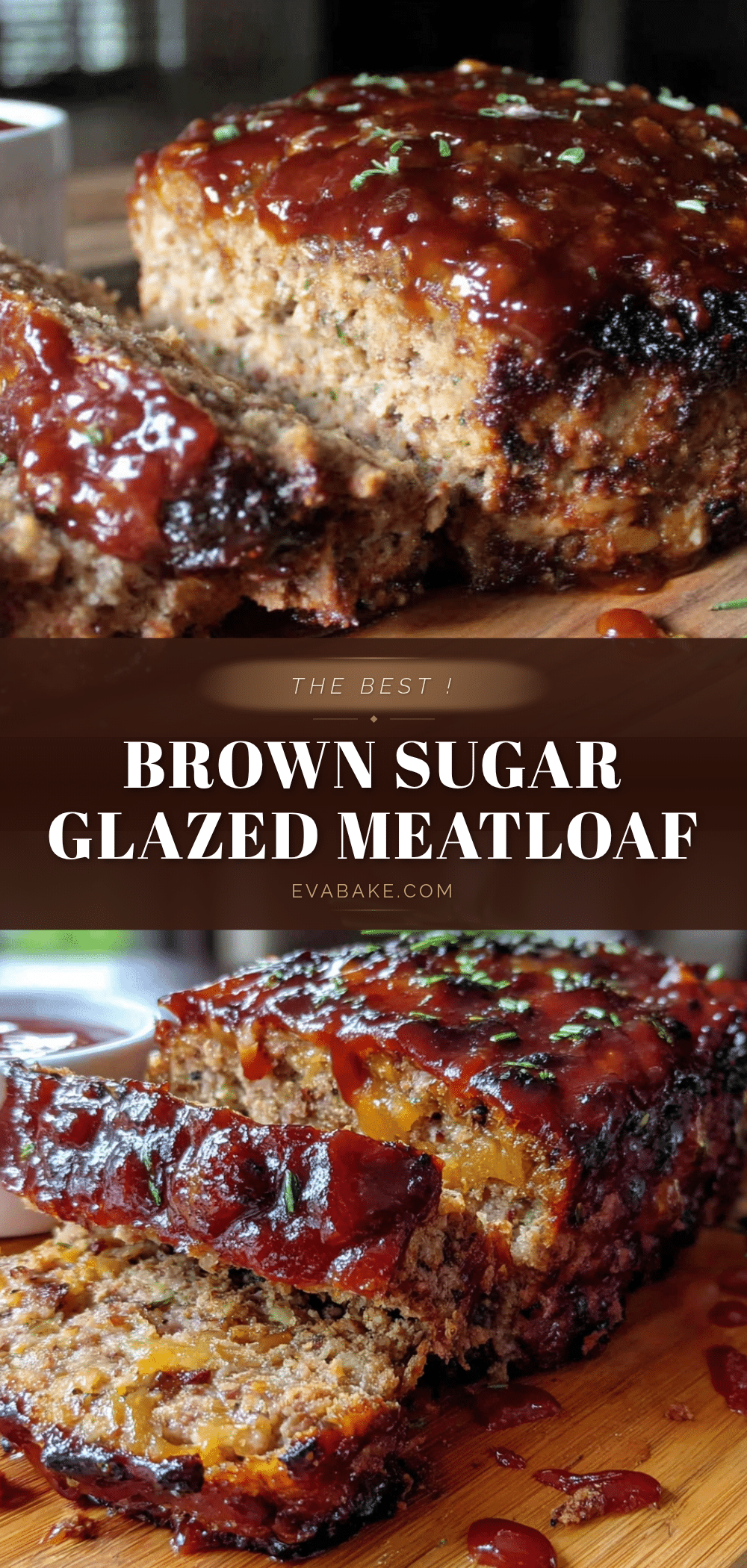
Classic Meatloaf with Brown Sugar Ketchup Glaze
This tender, juicy meatloaf is topped with a sticky-sweet brown sugar ketchup glaze that caramelizes into a gorgeous crust. It’s a comforting, crowd-pleasing dinner that will change even the most skeptical meatloaf hater’s mind.
- Prep Time: 15 minutes
- Cook Time: 1 hour
- Total Time: 1 hour 25 minutes
- Yield: 8 servings 1x
- Category: Main Course
- Cuisine: American
Ingredients
- 2 pounds ground beef (80/20)
- 1 cup plain breadcrumbs
- ½ cup whole milk
- 1 medium yellow onion, finely grated
- 3 cloves garlic, minced
- 2 large eggs, lightly beaten
- 2 tablespoons Worcestershire sauce
- ¼ cup ketchup
- 1 tablespoon Dijon mustard
- 2 tablespoons fresh parsley, chopped (optional)
- 1½ teaspoons salt
- ½ teaspoon black pepper, freshly ground
- ½ teaspoon dried thyme
- ½ cup ketchup (for glaze)
- ¼ cup brown sugar, packed (for glaze)
- 1 tablespoon apple cider vinegar (for glaze)
- 1 teaspoon Worcestershire sauce (for glaze)
- ½ teaspoon garlic powder (for glaze)
Instructions
- Preheat your oven to 350°F (175°C). Position the rack in the middle of the oven. Line a baking sheet with foil or parchment paper and place your 9×5-inch loaf pan on top.
- In a large mixing bowl, combine the breadcrumbs and milk. Stir and let sit for 5 minutes until the breadcrumbs absorb the milk and form a thick paste (panade).
- While the breadcrumbs soak, grate the onion using the medium holes of a box grater. Do not drain the liquid. Set aside.
- In a small bowl, whisk together the ½ cup ketchup, packed brown sugar, apple cider vinegar, 1 teaspoon Worcestershire sauce, and garlic powder. Set aside for the glaze.
- To the bowl with the soaked breadcrumbs, add the grated onion (with juices), minced garlic, beaten eggs, 2 tablespoons Worcestershire sauce, ¼ cup ketchup, Dijon mustard, parsley (if using), salt, pepper, and dried thyme. Stir until well combined.
- Add the ground beef to the bowl. Using clean hands, gently combine everything until just incorporated. Do not overmix.
- Transfer the meat mixture to the loaf pan. Gently press it into the pan, filling the corners evenly and shaping the top slightly rounded.
- Using a pastry brush or spoon, spread about half of the glaze evenly over the top of the meatloaf. Reserve the rest.
- Place the loaf pan (on the baking sheet) in the oven and bake for 45 minutes.
- After 45 minutes, carefully remove the meatloaf from the oven. Spoon the remaining glaze over the top and spread evenly. Return to the oven and bake for another 15-20 minutes.
- Check for doneness: an instant-read thermometer inserted into the center should register 160°F (71°C).
- Remove the meatloaf from the oven and let it rest in the pan for 10 minutes.
- After resting, carefully transfer the meatloaf to a cutting board. Slice into 1-inch thick pieces and serve immediately.
Notes
For extra caramelization on the glaze, switch your oven to broil for the last 2-3 minutes of baking. Watch carefully to prevent burning. If the glaze gets too dark before the meatloaf is fully cooked, tent a piece of foil loosely over the top. Letting the meatloaf rest for 10 minutes after baking is essential for moisture redistribution.
Nutrition
- Serving Size: 1 slice (1/8 of loaf
- Calories: 385
- Sugar: 12
- Sodium: 680
- Fat: 22
- Saturated Fat: 8
- Carbohydrates: 18
- Fiber: 1
- Protein: 28
Keywords: meatloaf, brown sugar ketchup glaze, classic meatloaf, comfort food, ground beef, easy dinner