It was 10:47 PM on a drizzly Wednesday in March, and I had a serious craving for something salty, tender, and deeply comforting. The problem? I had a three-pound corned beef brisket sitting in my fridge, but the traditional method of boiling it on the stovetop for hours felt like a chore I just didn’t have the energy for. I didn’t have a big stockpot clean, but I had my dusty slow cooker on the top shelf and a vague memory of someone saying you could make corned beef in it. Honestly, I was skeptical. Would it be as tender? Would the flavors meld the same way? I figured if it turned out tough, I’d just drown it in mustard and call it a learning experience. Let me tell you, that late-night gamble paid off in ways I still think about. The meat came out fork-tender, almost melting, with a gentle spice that filled my whole apartment. It was a quiet, unassuming victory—just me, a Wednesday, and the best corned beef I’d ever made. Maybe you’ve been there, staring at an ingredient and a deadline, wondering if a shortcut could ever taste this good.
This easy slow cooker corned beef and cabbage recipe is the one I keep coming back to. It’s not just about convenience; it’s about getting that perfect, fall-apart texture without standing over a pot. The slow cooker does all the heavy lifting, turning a tough cut of meat into something spectacular while you go about your day. It’s become my go-to for St. Patrick’s Day and those cozy, rainy evenings when only a hearty, one-pot meal will do.
Why You’ll Love This Recipe
I’ve tested this recipe more times than I can count, tweaking the liquid ratios and the timing to get it just right. What I landed on is a method that delivers consistently amazing results, and I’m excited to share it with you. Here is why this will become your new favorite way to make corned beef:
- Set It and Forget It: The slow cooker does the work. You just add the ingredients, turn it on, and come back hours later to a perfectly cooked meal. It’s the ultimate hands-off dinner.
- Unbelievably Tender Meat: The low, slow cooking breaks down the connective tissues in the brisket, making it so tender it practically falls apart with a fork. No more chewy, dry corned beef.
- Simple, Everyday Ingredients: Besides the corned beef itself, you likely have everything else—water, a little sugar, and the seasoning packet. No fancy grocery store trips required.
- Perfect for a Crowd: This recipe easily scales up. It’s a fantastic centerpiece for a St. Patrick’s Day gathering or a family Sunday dinner. Everyone always asks for seconds.
- Infused with Flavor: Cooking the cabbage right in the pot with the meat means it soaks up all that savory, spiced goodness. It’s not just a side dish; it’s a star.
What makes this version different from the rest? It’s the balance. Some slow cooker recipes turn the meat bland or the vegetables mushy. I found the sweet spot by adding the cabbage later in the cooking process, so it stays tender but still has a little bite. The meat, meanwhile, gets a full eight hours to become incredibly succulent. This isn’t just another recipe—it’s the best version, perfected in my own kitchen on a whim.
What Ingredients You Will Need
This recipe relies on a short list of ingredients that work together to create a deeply flavorful and comforting meal. The corned beef brisket is the star, and the supporting players help it shine.
- Corned Beef Brisket (3-4 pounds): This is the main event. Look for a flat-cut brisket, which is leaner and slices nicely. It usually comes with a spice packet. I prefer the brand from the butcher counter at my local grocery store, but any good quality brisket will work.
- Spice Packet (included with brisket): Don’t throw this away! It’s a blend of peppercorns, mustard seeds, and other spices that are essential for that classic corned beef flavor. If your brisket doesn’t come with one, you can use about 2 tablespoons of pickling spice.
- Water or Beef Broth (2 cups): Water works perfectly fine, but using a low-sodium beef broth adds an extra layer of savory depth. I’ve used both and honestly, water is great for letting the meat’s own flavor shine.
- Brown Sugar (2 tablespoons): Just a little bit helps balance the saltiness of the brine and adds a subtle sweetness that caramelizes slightly during cooking. It’s a game-changer.
- Green Cabbage (1 medium head): You’ll want a firm, heavy head of cabbage. Cut it into wedges, leaving the core intact to help them hold their shape during cooking.
- Carrots (4-5 large): Peeled and cut into large chunks. They add a natural sweetness and soak up the cooking liquid beautifully. Don’t cut them too small or they’ll turn to mush.
- Baby Potatoes (1 pound): I love using baby Yukon Gold or red potatoes. They hold their shape well and get incredibly creamy after cooking in the broth. Leave them whole if they’re small, or halve any larger ones.
Equipment Needed
You don’t need a professional kitchen to pull this off. The beauty of this recipe is its simplicity. Here is what you’ll need:
- Slow Cooker (6-quart or larger): This is essential. A 6-quart model is the perfect size for a 3-4 pound brisket and all the vegetables. I’ve used a basic Crock-Pot for years, and it works like a charm.
- Sharp Knife and Cutting Board: For trimming any excess fat from the brisket and cutting the vegetables. A good chef’s knife makes this job so much easier.
- Measuring Cups and Spoons: For the water and brown sugar. I keep a set of stainless steel ones that have lasted forever.
- Large Bowl: For washing and holding the cut vegetables before they go into the slow cooker.
- Tongs: For handling the hot brisket and vegetables when they’re done cooking. Silicone-tipped tongs are great for not scratching your slow cooker insert.
- Fork: The ultimate test for tenderness. If it doesn’t fall apart easily, it needs more time.
Preparation Method
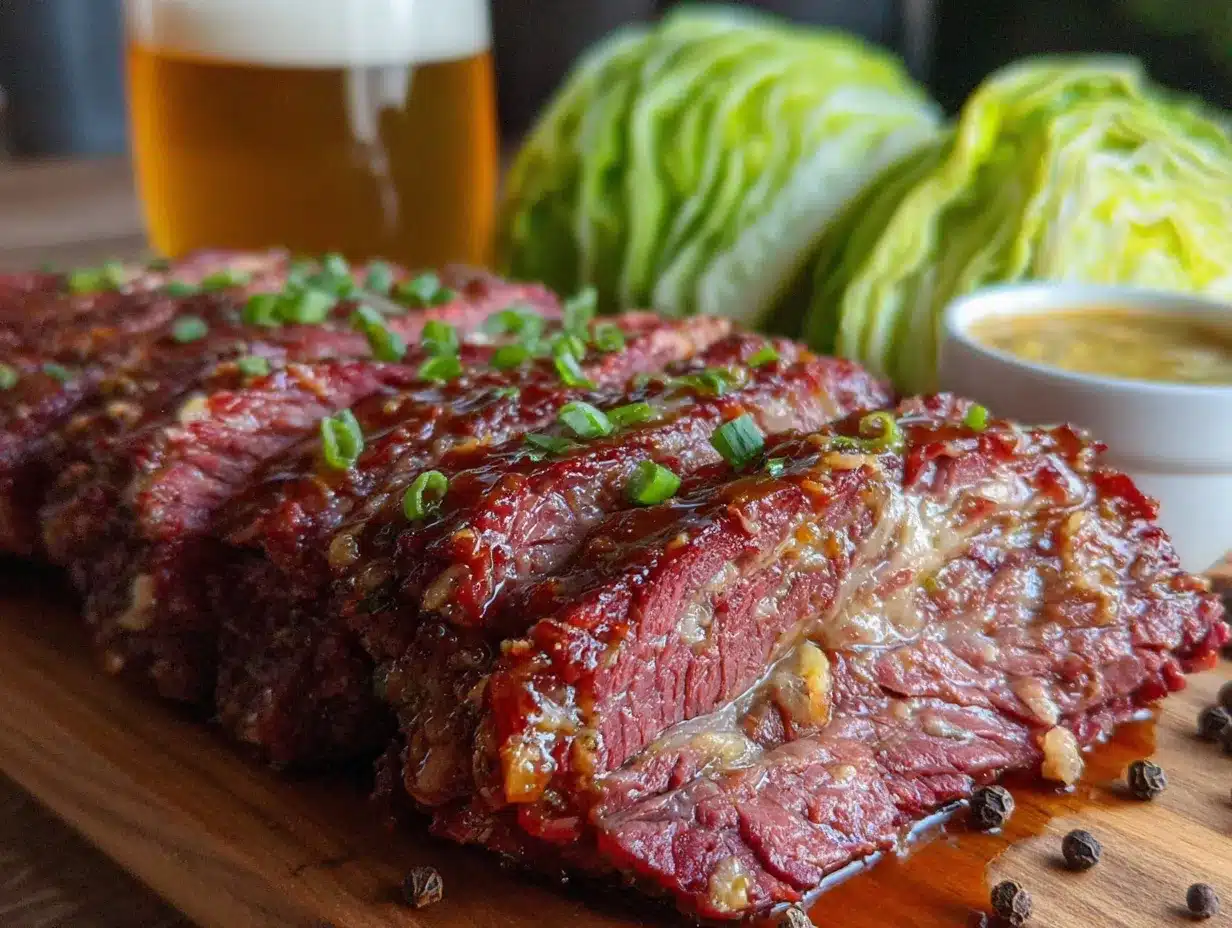
This is where the magic happens. Follow these steps, and you’ll have a pot of pure comfort waiting for you at the end of the day.
- Prepare the Brisket: Remove the corned beef brisket from its packaging. Rinse it under cool water to remove any excess brine. Pat it dry with paper towels. Using a sharp knife, trim any large pieces of hard, yellow fat, but leave a thin layer (about ¼ inch) on one side. This fat will baste the meat as it cooks. Don’t skip the rinsing step—it helps control the saltiness.
- Build the Base: Place the rinsed and trimmed brisket into the slow cooker, fat side up. Sprinkle the contents of the spice packet over the top, along with the brown sugar. Pour in the 2 cups of water (or broth) around the side of the meat, trying not to wash off the spices. The liquid shouldn’t cover the meat completely—it will create steam and braise it perfectly.
- Low and Slow (Part 1): Put the lid on your slow cooker and cook on LOW for 8 to 9 hours. This is the most important step. Cooking on low is non-negotiable for tender meat. High heat will make it tough and chewy. Set a timer for 7 hours. At this point, the meat will be very tender but not quite falling apart.
- Add the Vegetables: After 7 hours, carefully remove the lid. The kitchen will smell amazing. Using tongs, gently lift the brisket out and place it on a cutting board. Don’t worry if it starts to break apart—that’s a good sign. Add the potato chunks, carrot chunks, and cabbage wedges to the hot liquid in the slow cooker. Stir them gently to coat them in the broth.
- Return the Meat: Place the brisket back into the slow cooker, nestling it among the vegetables. It’s okay if it’s in pieces. Put the lid back on and cook on LOW for another 1 to 1.5 hours, or until the vegetables are tender when pierced with a fork. The cabbage should be tender but not mushy.
- Rest and Slice: Once everything is cooked, turn off the slow cooker. Using your tongs, transfer the brisket to a clean cutting board. Let it rest for 10-15 minutes. This allows the juices to redistribute. While it rests, use a slotted spoon to transfer the vegetables to a serving platter. Slice the brisket against the grain into thick, beautiful slices. The grain runs lengthwise, so cut across the short side of the brisket.
- Serve Immediately: Arrange the sliced meat on the platter with the vegetables. Spoon a little of the hot cooking liquid over the top for extra moisture and flavor. Serve with your favorite mustard or horseradish sauce.
Cooking Tips & Techniques
After making this recipe more times than I can count, I’ve picked up a few tricks that guarantee success every time. Trust me, I’ve learned these the hard way!
- Don’t Skip the Rinse: The brine is what gives corned beef its flavor, but it’s also incredibly salty. Rinsing the brisket before cooking removes some of that surface salt, preventing your final dish from being overly salty. I once forgot this step, and the result was almost inedible.
- Fat Side Up is a Must: Placing the brisket fat side up allows the fat to render down and baste the meat as it cooks, keeping it incredibly moist. It’s a simple trick that makes a huge difference in texture.
- Low Heat is Your Friend: I cannot stress this enough. Cooking on LOW for 8-10 hours is the secret to tender, shreddable meat. Cooking on HIGH will result in a tough, dry brisket. The slow cooker is designed for low and slow—let it do its job.
- Add Vegetables Later: This is the biggest mistake people make. If you add the cabbage and potatoes at the beginning, they will cook for 8+ hours and turn into a mushy, flavorless mess. Adding them in the last hour ensures they are perfectly tender and flavorful, not waterlogged.
- Let It Rest: Just like a steak, letting the cooked brisket rest for 10-15 minutes before slicing allows the juices to settle. If you slice it immediately, all that flavorful liquid will run out onto your cutting board, leaving you with dry meat. Be patient—it’s worth the wait.
Variations & Adaptations
This recipe is a fantastic base, but don’t be afraid to make it your own. Here are a few ways I’ve adapted it over the years to suit different tastes and occasions.
- Guinness Braised Corned Beef: For a deeper, richer flavor, replace 1 cup of the water with a bottle of Guinness stout. The beer adds a malty, slightly bitter note that pairs beautifully with the beef. I tried this for a St. Patrick’s Day party, and it was a huge hit.
- Spicy Kick: If you like a little heat, add a couple of whole dried chiles (like ancho or chipotle) to the slow cooker with the spices. It adds a warm, smoky heat that doesn’t overpower the corned beef flavor. I did this on a whim one cold night, and it was unexpectedly perfect.
- Gluten-Free Adaptation: This recipe is naturally gluten-free as long as you check your spice packet. Some commercial spice blends contain anti-caking agents that have gluten. I recommend using a certified gluten-free pickling spice blend to be safe. The rest of the ingredients are naturally gluten-free.
- Low-Carb / Keto Option: To make this low-carb, simply omit the potatoes and carrots. You can add more cabbage, or try adding some turnips or radishes for a similar texture without the carbs. I’ve done this for a friend on a keto diet, and she loved the rich, savory broth even more.
- Herb Infusion: For a more aromatic dish, add a few sprigs of fresh thyme and a couple of bay leaves to the cooking liquid. I picked up this trick from an Irish cookbook, and it adds a subtle, earthy layer of flavor that feels a bit more refined.
Serving & Storage Suggestions
Knowing how to serve and store your corned beef and cabbage is just as important as cooking it. Here are my best tips for enjoying every last bite.
- Serving Temperature: Serve the corned beef and vegetables hot, straight from the slow cooker. I like to arrange the sliced meat on a large platter and surround it with the potatoes, carrots, and cabbage. It makes for a beautiful, rustic presentation.
- What to Serve With It: This dish is a meal in itself, but a few simple sides round it out perfectly. I love serving it with a dollop of coarse ground mustard, a side of creamy horseradish sauce, and some crusty Irish soda bread to soak up the delicious broth. A crisp green salad with a tangy vinaigrette also cuts through the richness nicely.
- Storing Leftovers: Store any leftover corned beef and vegetables in an airtight container in the refrigerator. They will keep well for 3-4 days. The flavors actually meld and deepen overnight, making leftovers even more delicious.
- Reheating Tips: The best way to reheat leftovers is in a covered pot on the stovetop over low heat, with a splash of water or beef broth to add moisture. You can also reheat individual portions in the microwave, but be careful not to overcook the meat. The slow cooker can also be used to gently reheat everything on the “warm” setting.
- Freezing Instructions: Corned beef freezes surprisingly well. Slice the meat and store it in a freezer-safe bag or container with some of the cooking liquid. It will keep for up to 3 months. Thaw overnight in the refrigerator before reheating. The potatoes and cabbage do not freeze well, as they become mushy, so I recommend freezing only the meat.
Nutritional Information & Benefits
While this is a hearty, comforting dish, it also has some surprising nutritional benefits. Here is a breakdown of what you’re getting in a serving.
- Estimated Nutritional Values (per serving, based on 6 servings): Calories: 450-550, Protein: 35g, Fat: 25g, Carbohydrates: 30g, Fiber: 5g, Sodium: 1200mg.
- High in Protein: Corned beef is an excellent source of high-quality protein, which is essential for muscle repair and keeping you feeling full and satisfied.
- Rich in Vitamins and Minerals: The cabbage is packed with Vitamin C and Vitamin K, while the carrots provide a healthy dose of Vitamin A. Potatoes offer potassium and fiber, especially if you leave the skin on.
- Source of Iron and Zinc: Beef is a great source of heme iron, which is easily absorbed by the body, and zinc, which supports a healthy immune system.
- Dietary Considerations: This recipe is naturally gluten-free (check your spice packet) and can be adapted to be low-carb or keto by omitting the potatoes and carrots. It is also suitable for a paleo diet if you use a clean spice blend.
Conclusion
This easy slow cooker corned beef and cabbage recipe is more than just a meal; it’s a comforting experience that fills your home with an incredible aroma and delivers on every promise of flavor and tenderness. It’s the kind of dish that makes you feel like a kitchen pro, even when you’ve barely lifted a finger. I love this recipe because it’s forgiving, adaptable, and always, always a hit. It turned a late-night craving into a tradition I look forward to every year.
I really hope you give this a try. Don’t be afraid to make it your own—add a little extra spice, swap in some different vegetables, or just follow it exactly as written. You can’t go wrong. When you make it, I’d love to hear how it turned out! Drop a comment below and let me know your favorite way to serve it, or share a photo of your beautiful creation. Happy cooking!
Frequently Asked Questions (FAQs)
1. Can I cook corned beef on HIGH instead of LOW?
I strongly advise against it. Cooking on HIGH will make the meat tough and chewy because it doesn’t give the connective tissues enough time to break down. The low, slow method is the secret to that fork-tender texture. Plan for 8-10 hours on LOW.
2. Do I need to use the spice packet that comes with the brisket?
It’s highly recommended. The spice packet is specifically formulated for corned beef and gives it that classic, distinct flavor. If you don’t have one, you can substitute about 2 tablespoons of pickling spice, but the flavor will be slightly different.
3. Why is my corned beef and cabbage so salty?
This usually happens if you skipped the rinsing step or if the brisket was particularly heavily brined. Always rinse the brisket under cool water before cooking. You can also soak it in cold water for an hour before cooking to draw out some of the salt.
4. Can I add the cabbage at the beginning with the meat?
I don’t recommend it. The cabbage will cook for 8+ hours and turn into a mushy, unappetizing mess. Adding it during the last hour of cooking ensures it is tender but still has a pleasant texture and soaks up all the great flavor from the broth.
5. How do I know when the corned beef is done?
The best test is tenderness. The meat should be fork-tender, meaning you can easily pierce it with a fork and it will start to fall apart. If it resists the fork, it needs more time. A meat thermometer should read at least 190°F for optimal tenderness.
Pin This Recipe!
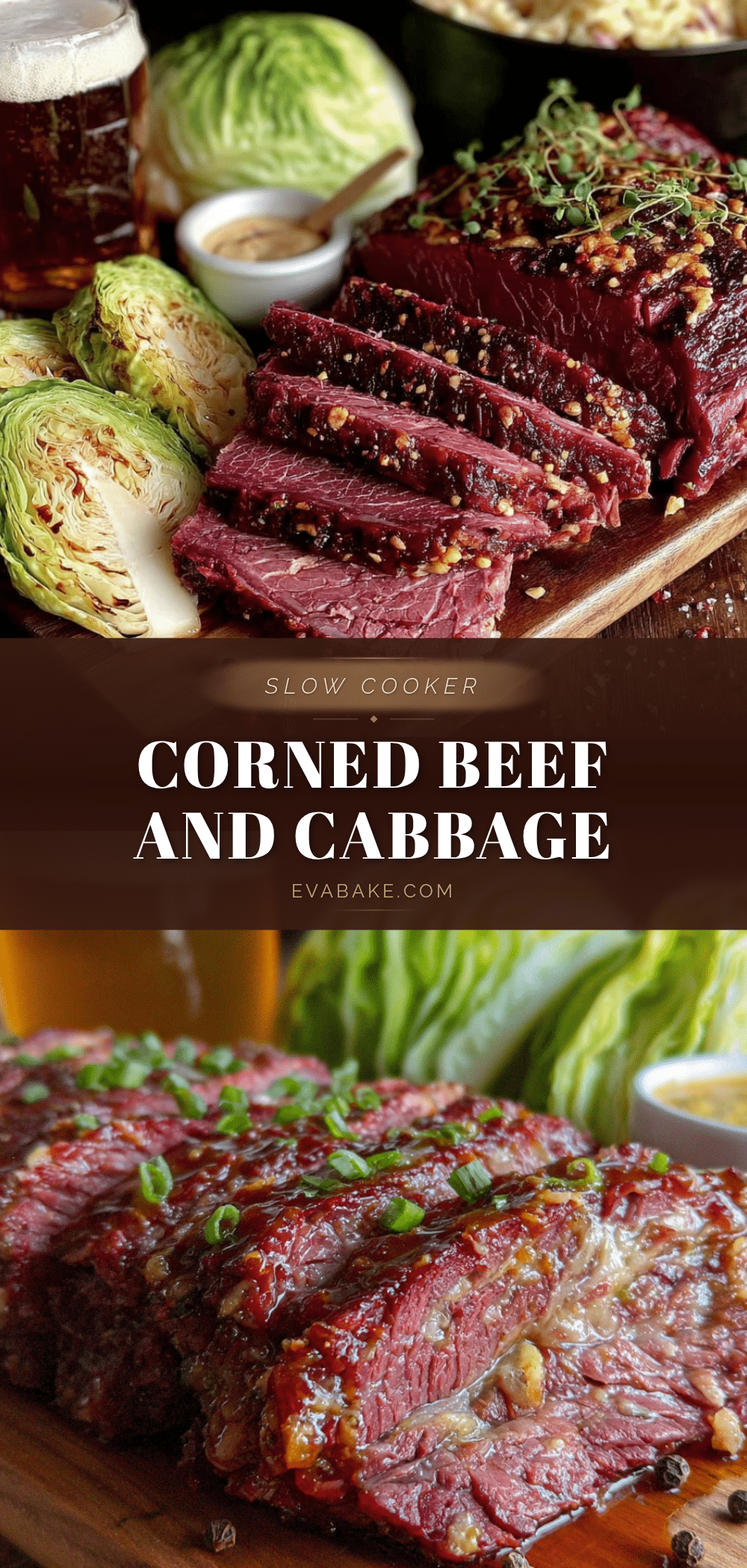
Easy Slow Cooker Corned Beef and Cabbage Recipe
This easy slow cooker corned beef and cabbage recipe delivers fork-tender, fall-apart meat and perfectly cooked vegetables with minimal effort. The slow cooker does all the heavy lifting, making it the ultimate hands-off dinner for St. Patrick’s Day or any cozy evening.
- Prep Time: 15 minutes
- Cook Time: 8 hours 30 minutes
- Total Time: 8 hours 45 minutes
- Yield: 6 servings 1x
- Category: Main Course
- Cuisine: Irish-American
Ingredients
- Corned Beef Brisket (3-4 pounds)
- Spice Packet (included with brisket) or 2 tablespoons pickling spice
- 2 cups Water or Beef Broth
- 2 tablespoons Brown Sugar
- 1 medium head Green Cabbage, cut into wedges
- 4–5 large Carrots, peeled and cut into large chunks
- 1 pound Baby Potatoes (Yukon Gold or red)
Instructions
- Prepare the Brisket: Remove the corned beef brisket from its packaging. Rinse it under cool water to remove excess brine. Pat it dry with paper towels. Trim any large pieces of hard, yellow fat, but leave a thin layer (about ¼ inch) on one side.
- Build the Base: Place the rinsed and trimmed brisket into the slow cooker, fat side up. Sprinkle the contents of the spice packet over the top, along with the brown sugar. Pour in the 2 cups of water (or broth) around the side of the meat, trying not to wash off the spices.
- Low and Slow (Part 1): Put the lid on your slow cooker and cook on LOW for 8 to 9 hours. Set a timer for 7 hours.
- Add the Vegetables: After 7 hours, carefully remove the lid. Using tongs, gently lift the brisket out and place it on a cutting board. Add the potato chunks, carrot chunks, and cabbage wedges to the hot liquid in the slow cooker. Stir them gently to coat them in the broth.
- Return the Meat: Place the brisket back into the slow cooker, nestling it among the vegetables. Put the lid back on and cook on LOW for another 1 to 1.5 hours, or until the vegetables are tender when pierced with a fork.
- Rest and Slice: Once everything is cooked, turn off the slow cooker. Using your tongs, transfer the brisket to a clean cutting board. Let it rest for 10-15 minutes. While it rests, use a slotted spoon to transfer the vegetables to a serving platter. Slice the brisket against the grain into thick slices.
- Serve Immediately: Arrange the sliced meat on the platter with the vegetables. Spoon a little of the hot cooking liquid over the top for extra moisture and flavor. Serve with your favorite mustard or horseradish sauce.
Notes
Don’t skip rinsing the brisket to control saltiness. Always cook on LOW for tender meat. Add vegetables in the last hour to prevent mushiness. Let the meat rest before slicing to retain juices.
Nutrition
- Serving Size: 1 serving (about 1/6
- Calories: 500
- Sugar: 8
- Sodium: 1200
- Fat: 25
- Saturated Fat: 9
- Carbohydrates: 30
- Fiber: 5
- Protein: 35
Keywords: slow cooker corned beef, corned beef and cabbage, St. Patrick's Day, easy corned beef, one pot meal, comfort food