This was supposed to be a simple, creamy stovetop mac and cheese. The kind my kids would devour without complaint, the kind I could make on a Tuesday night when my brain was fried from work and the grocery budget was already stretched thin. I had the cheddar, the milk, the butter—everything was lined up. But then I saw it, sitting in the back of the fridge, a sad, forgotten butternut squash from a soup attempt two weeks ago. It was staring at me, honestly, and I couldn’t just throw it away. That would be a waste of money, and let’s face it, money doesn’t grow on trees. So, I did something a little crazy. I peeled it, chopped it, and tossed it into a pot of boiling water. My plan? To mash it up and sneak it in. I was already picturing the looks on their faces if they found out. “Mom, what is that orange stuff?” But I was desperate. I had a picky eater, a tight budget, and a squash that needed using. So I pureed it smooth, mixed it into the cheese sauce, and held my breath. What came out was nothing like the plan—and honestly, so much better. The sauce was silkier, richer, and had this subtle sweetness that made the cheese sing. My kids ate it without a single question. My youngest even asked for seconds. I sat there, spoon in hand, a little stunned. Maybe you’ve been there—that moment when a kitchen mistake turns into a family win. This recipe is that win.
Why You’ll Love This Recipe
This isn’t just another mac and cheese recipe. It’s the one that solves the weeknight dinner puzzle. It’s the one that gets vegetables into your kids without a fight. And it’s the one that won’t break the bank.
- Quick & Easy: Comes together in about 30 minutes, from start to finish. Perfect for those nights when you need dinner on the table, fast.
- Simple Ingredients: No fancy grocery trips needed. You probably already have the pasta, cheese, and milk. The butternut squash is the only “special” ingredient, and it’s usually very affordable.
- Perfect for Picky Eaters: The squash blends right into the cheese sauce. Kids won’t even know it’s there. I promise. My own kids are my toughest critics, and they gave this two thumbs up.
- Crowd-Pleaser: It’s creamy, cheesy, and comforting. Adults love the subtle, savory sweetness. Kids love the familiar mac and cheese taste.
- Budget-Friendly: This recipe stretches a small amount of cheese into a luxuriously creamy sauce thanks to the squash. You use less cheese, but it tastes just as indulgent. It’s a smart way to feed a family.
What makes this recipe different? It’s not just about hiding a vegetable. It’s about using the squash to create a better sauce. The natural starches in the squash make the sauce incredibly smooth and velvety, without needing a ton of heavy cream or butter. It’s a healthier, more resourceful way to cook that doesn’t sacrifice an ounce of flavor. This is comfort food, reimagined for a busy, budget-conscious family.
What Ingredients You Will Need
This recipe uses simple, wholesome ingredients to deliver a bold, cheesy flavor and a satisfyingly creamy texture. Most of these are pantry staples or easy to find at any grocery store.
- For the Butternut Squash Puree:
- 2 cups (280g) peeled and cubed butternut squash (about half a medium squash). I like to buy a pre-cut bag from the store when I’m short on time, but a whole squash is always cheaper.
- Water, for boiling.
- For the Pasta:
- 8 ounces (225g) elbow macaroni or any short pasta like shells or cavatappi. Whole wheat or legume-based pasta works great here too for a fiber boost.
- For the Cheese Sauce:
- 2 tablespoons (30g) unsalted butter.
- 2 tablespoons (15g) all-purpose flour (or a gluten-free 1:1 blend).
- 1 ½ cups (360ml) whole milk. 2% or oat milk also works, but whole milk makes the creamiest sauce.
- 1 cup (240ml) reserved pasta water. This is liquid gold for the sauce!
- 1 ½ cups (170g) sharp cheddar cheese, freshly shredded. Pre-shredded cheese has anti-caking agents that prevent it from melting smoothly, so shredding it yourself makes a huge difference. I recommend a good block of Cabot or Tillamook.
- ½ cup (50g) grated Parmesan cheese. Adds a salty, nutty depth.
- ½ teaspoon garlic powder.
- ¼ teaspoon ground mustard powder. This is my secret ingredient—it just makes the cheese taste cheesier.
- Salt and black pepper to taste.
Ingredient Tips & Substitutions: If you don’t have a fresh butternut squash, you can use 1 ½ cups of frozen butternut squash cubes. Just boil them directly from frozen. For a dairy-free version, use a high-quality vegan butter, unsweetened oat milk, and your favorite vegan cheddar shreds. The sauce might be a little less creamy, but it’s still delicious. If you can’t find butternut squash, you can substitute with the same amount of peeled and cubed sweet potato or even a can of pure pumpkin puree (not pumpkin pie filling). The flavor will change slightly, but the result will still be fantastic.
Equipment Needed
You don’t need any fancy gadgets for this recipe. Just a few basic kitchen tools that you probably already own. This is one of the reasons I love it so much for a busy weeknight.
- Large Pot: For boiling the pasta and the squash. A 5-quart pot is perfect.
- Small or Medium Saucepan: For making the roux and the cheese sauce.
- Colander: For draining the pasta. Remember to reserve that pasta water!
- Blender or Immersion Blender: To puree the cooked squash until it’s smooth. An immersion blender is easier to clean, but a regular blender works just as well. Be careful when blending hot liquids—let the steam escape by leaving the lid slightly ajar.
- Box Grater: For shredding your cheese from a block. It takes an extra minute, but the texture of the sauce is so much better.
- Wooden Spoon or Silicone Spatula: For stirring the roux and the sauce.
- Measuring Cups and Spoons: For accurate ingredient amounts.
Budget-Friendly Tips: Don’t have an immersion blender? No problem. You can mash the cooked squash with a potato masher or even a fork until it’s very smooth. It won’t be as silky, but it will still work perfectly. A standard box grater is a much more affordable investment than a food processor, and it’s more versatile for daily cooking.
Preparation Method
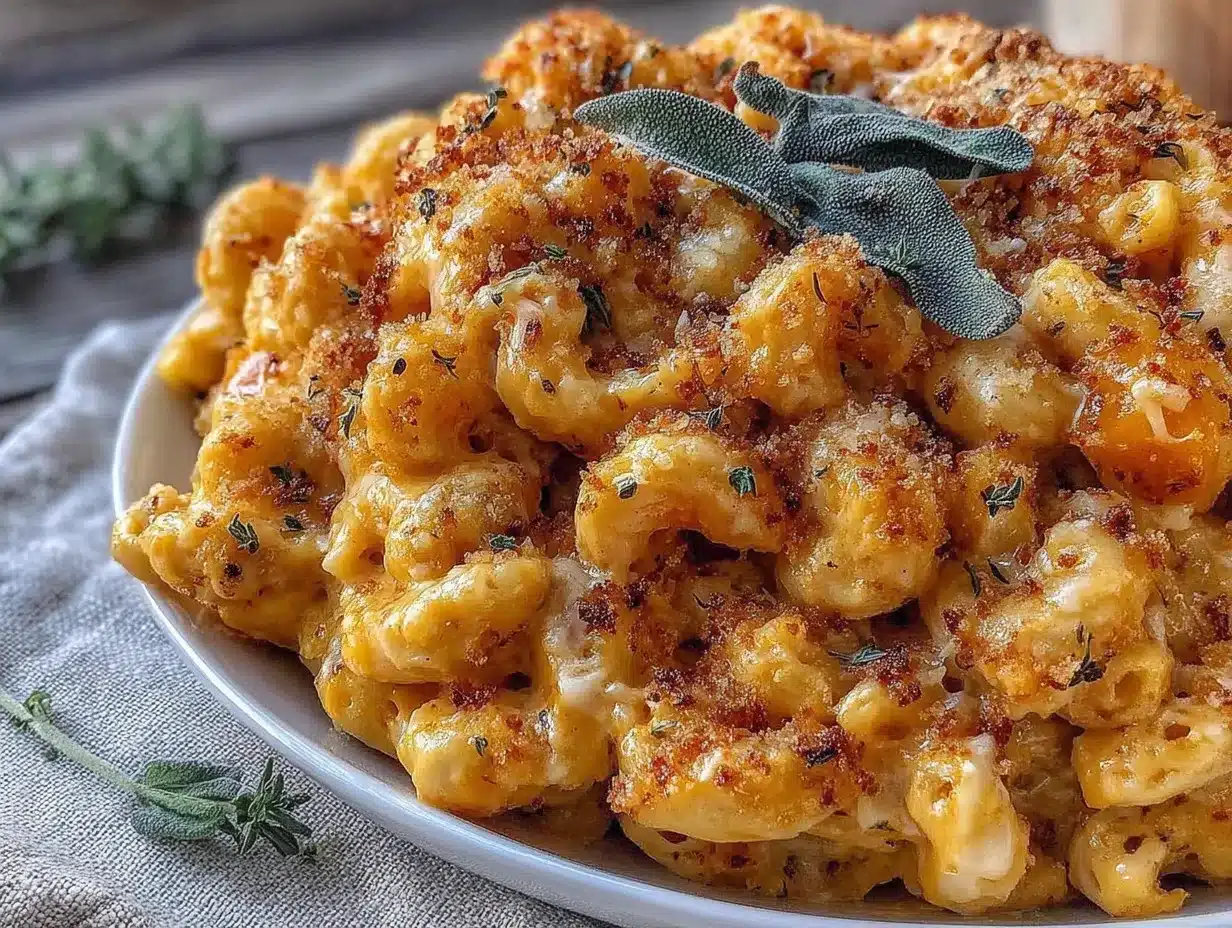
Let’s get cooking! This recipe is straightforward, but I’ve added some notes along the way to help you get the best results. Follow these steps, and you’ll have a creamy, cheesy dinner in no time.
- Prep the Squash: Start by bringing a large pot of salted water to a rolling boil. Add the 2 cups of cubed butternut squash. Boil for 12-15 minutes, or until the squash is very tender and you can easily pierce it with a fork. While the squash boils, you can get the rest of your ingredients ready. This is a great time to grate your cheese.
- Cook the Pasta: In the same pot (after you’ve removed the squash with a slotted spoon), or in a separate pot, cook the 8 ounces of elbow macaroni according to the package directions. Cook it to al dente—firm to the bite. Before you drain the pasta, reserve 1 cup of the starchy pasta water. This is a crucial step. That starchy water is the secret to a smooth, non-grainy sauce. Drain the pasta and set it aside.
- Make the Squash Puree: Once the squash is tender, drain it and transfer it to your blender or a tall container for your immersion blender. Add about ¼ cup of the reserved pasta water. Blend until the squash is completely smooth and creamy. It should look like a thick, vibrant orange puree. Set this aside.
- Start the Roux: In your medium saucepan, melt the 2 tablespoons of butter over medium heat. Once it’s melted and bubbling, add the 2 tablespoons of flour. Whisk constantly for about 1-2 minutes. You’re looking for the mixture to turn a light golden color and smell slightly nutty. This cooks out the raw flour taste. Don’t let it burn!
- Build the Sauce: Slowly pour in the 1 ½ cups of milk while whisking constantly. Keep whisking until the mixture is smooth and starts to thicken, about 2-3 minutes. You’ll feel it get heavier on the whisk. Now, add the butternut squash puree and whisk until it’s fully incorporated. The sauce will turn a beautiful, bright orange.
- Melt the Cheese: Reduce the heat to low. Add the 1 ½ cups of shredded cheddar and ½ cup of Parmesan cheese, a handful at a time. Stir gently with your wooden spoon or spatula until each addition is completely melted before adding the next. This prevents the sauce from breaking or becoming gritty. Once all the cheese is melted, stir in the ½ teaspoon of garlic powder and the ¼ teaspoon of mustard powder. Season with salt and pepper to taste. Remember, the cheese is already salty, so go easy on the salt at first.
- Combine and Adjust: Pour the drained pasta into the pot with the cheese sauce. Gently stir to coat every piece of pasta. If the sauce seems too thick, add the reserved pasta water, a tablespoon at a time, until you reach your desired consistency. The sauce will continue to thicken as it sits. You want it to be a little looser than you think, as it will cling to the pasta perfectly as it cools slightly.
- Serve Immediately: Spoon the mac and cheese into bowls. The smell is incredible—warm, cheesy, with a hint of sweetness. This is the moment you realize the “mistake” of the squash was a happy one. Serve it hot.
Cooking Tips & Techniques
I’ve made this recipe probably a dozen times, and I’ve learned a few things along the way. Here are my best tips to make sure yours turns out perfectly every single time.
- Don’t Skip the Mustard Powder: I know it sounds weird, but ground mustard powder doesn’t make the sauce taste like mustard. It acts as a flavor enhancer for the cheese. It adds a subtle tang that brightens the whole dish. I once forgot to add it, and the sauce was just… flat. Trust me on this one.
- Grate Your Own Cheese: This is the single biggest tip for a smooth, creamy sauce. Pre-shredded cheese is coated in cellulose and other starches to keep it from clumping in the bag. Those same starches prevent it from melting smoothly into a sauce, leaving you with a grainy texture. A block of cheese and a box grater takes two minutes and makes all the difference.
- The Pasta Water Trick: Never, ever dump all the pasta water down the drain. That starchy water is full of gluten, which acts as a natural thickener and emulsifier for your sauce. It helps the cheese sauce cling to every nook and cranny of the pasta. It’s like a free pass to a better texture.
- Low and Slow for the Cheese: When you add the cheese to the sauce, keep the heat on low. High heat can cause the proteins in the cheese to seize up, making the sauce grainy or “broken.” Patience is key here. Let the residual heat of the sauce do the work.
- My Biggest Failure: The first time I tried this, I was in a huge rush. I didn’t puree the squash well enough, and there were tiny chunks in the sauce. My oldest son, the picky one, immediately spotted them and refused to eat it. I learned my lesson. Blend that squash until it’s baby-food smooth. No one wants a surprise chunk of squash in their mac and cheese.
Variations & Adaptations
This recipe is a great base for all kinds of fun twists. Don’t be afraid to make it your own. That’s the best part of cooking for a family.
- Add Some Protein: Stir in 1 cup of shredded rotisserie chicken, cooked and crumbled Italian sausage, or leftover taco meat. It turns this side dish into a complete, one-pot meal. My kids love it with little pieces of hot dog, but don’t tell the nutritionist.
- Make it a “Loaded” Mac: For a special treat, top your mac and cheese with a mixture of ½ cup of panko breadcrumbs and 2 tablespoons of melted butter. Bake it in a 375°F oven for 10-15 minutes until the top is golden and crispy. It adds a wonderful crunch that contrasts with the creamy sauce.
- Veggie-Packed Version: Beyond the squash, you can stir in a cup of steamed broccoli florets, frozen peas, or finely chopped spinach right at the end. The cheese sauce helps hide the taste of the greens, making it a great way to use up leftover vegetables.
- Spice It Up: For the adults, add a pinch of cayenne pepper, a dash of hot sauce, or a ¼ teaspoon of smoked paprika to the cheese sauce. It gives the mac and cheese a warm, smoky kick without being too spicy for the kids.
- My Favorite Twist: I once added about ½ cup of leftover roasted garlic cloves that I had in the fridge. I just squeezed the soft garlic out of the skins and blended it right into the squash puree. The result was the most incredible, savory, deeply flavorful mac and cheese I’ve ever made. It was a total accident, but a delicious one.
Serving & Storage Suggestions
This mac and cheese is best served immediately, fresh from the pot. That’s when the sauce is at its creamiest and most luscious. But it also makes fantastic leftovers.
- Serving: Spoon it into warm bowls. A simple side of steamed green beans or a crisp side salad with a light vinaigrette is the perfect complement to cut through the richness. For a fun presentation, serve it in individual ramekins or a large cast-iron skillet.
- Storage: Store any leftovers in an airtight container in the refrigerator for up to 4-5 days. The pasta will absorb some of the sauce as it sits, so it will be thicker when you reheat it.
- Reheating: This is the most important part! To bring back that creamy texture, reheat the mac and cheese in a saucepan over low heat. Add a splash of milk (or reserved pasta water if you have it) and stir constantly until it’s heated through. The microwave works in a pinch, but it can make the pasta a little rubbery. If using the microwave, add a tablespoon of milk and heat in 30-second intervals, stirring between each.
- Freezing: This recipe freezes surprisingly well. Let it cool completely, then transfer it to a freezer-safe container. It will keep for up to 3 months. Thaw it in the fridge overnight before reheating. The texture might be slightly different, but the flavor will still be amazing. It’s a great way to have a homemade meal ready to go on a busy night.
Nutritional Information & Benefits
I’m not a nutritionist, but I do know that this version of mac and cheese is a smarter choice than the boxed stuff. Here’s a rough breakdown per serving (about 1 heaping cup).
Estimated Nutritional Values (per serving):
- Calories: ~450
- Fat: ~20g
- Carbohydrates: ~50g
- Protein: ~20g
- Fiber: ~5g
The Hidden Benefits: The butternut squash is the star here. It’s packed with vitamin A (great for eye health), vitamin C, and fiber. The fiber helps slow down the digestion of the carbs, keeping your kids full and satisfied longer, without the blood sugar crash. You’re also getting a good dose of calcium from the cheese and milk. This isn’t a “health food,” but it’s a much more nutritious version of a classic comfort dish. It’s a way to feel good about what you’re feeding your family without them feeling like they’re eating “healthy” food.
Dietary Considerations: This recipe can easily be made gluten-free by using a gluten-free pasta and a cup-for-cup gluten-free flour blend. For a lower-carb option, serve it over steamed cauliflower florets instead of pasta.
Conclusion
This Kid-Approved Butternut Squash Mac and Cheese is more than just a recipe. It’s a solution. It’s a way to get dinner on the table that everyone will actually eat, without a lot of fuss or a big grocery bill. It’s the kind of recipe that makes you feel like a smart, resourceful parent. It started as a “failed experiment” with a forgotten squash, and now it’s a staple in our home. I honestly don’t think I’ll ever make mac and cheese without it again. The sauce is just too good, too creamy, too… right.
I hope you give it a try. Don’t be afraid to make it your own—add your family’s favorite mix-ins, use whatever cheese you have on hand, or double the batch for leftovers. The beauty of a recipe like this is that it’s forgiving and adaptable. Please, let me know how it turns out for you in the comments below. Did your kids notice the squash? What variations did you try? I’d love to hear your stories. Happy cooking, friends!
Frequently Asked Questions
Can I use frozen butternut squash instead of fresh?
Absolutely! Frozen butternut squash cubes are a fantastic time-saver. You can boil them directly from frozen for the same amount of time, or until they are fork-tender. Just make sure to drain them well before blending.
My sauce turned out grainy. What did I do wrong?
This usually happens for one of two reasons. The first is using pre-shredded cheese, which contains anti-caking agents. The second is cooking the sauce over too high heat after adding the cheese. Always shred your own cheese from a block and melt it in over low heat.
Can I make this recipe dairy-free?
Yes, you can! Use a good quality vegan butter, unsweetened oat milk or cashew milk, and your favorite brand of vegan cheddar shreds. The sauce might be slightly less creamy, but the flavor from the squash will still be wonderful.
How can I make this recipe ahead of time?
You can prepare the entire dish, but don’t bake it if you’re adding a breadcrumb topping. Assemble the mac and cheese in a baking dish, let it cool, cover it, and refrigerate it for up to 24 hours. When you’re ready to serve, add the breadcrumb topping and bake it at 350°F for 20-25 minutes, or until it’s hot and bubbly.
My kids are super picky. Will they really eat this?
I can’t make any promises for your specific kids, but I can tell you that this recipe has worked magic in my own home. The key is to blend the squash until it’s completely smooth. There should be no visible chunks or flecks of orange. The sauce just looks like a very rich, creamy cheese sauce. The subtle sweetness from the squash actually makes it more appealing to many kids.
Pin This Recipe!
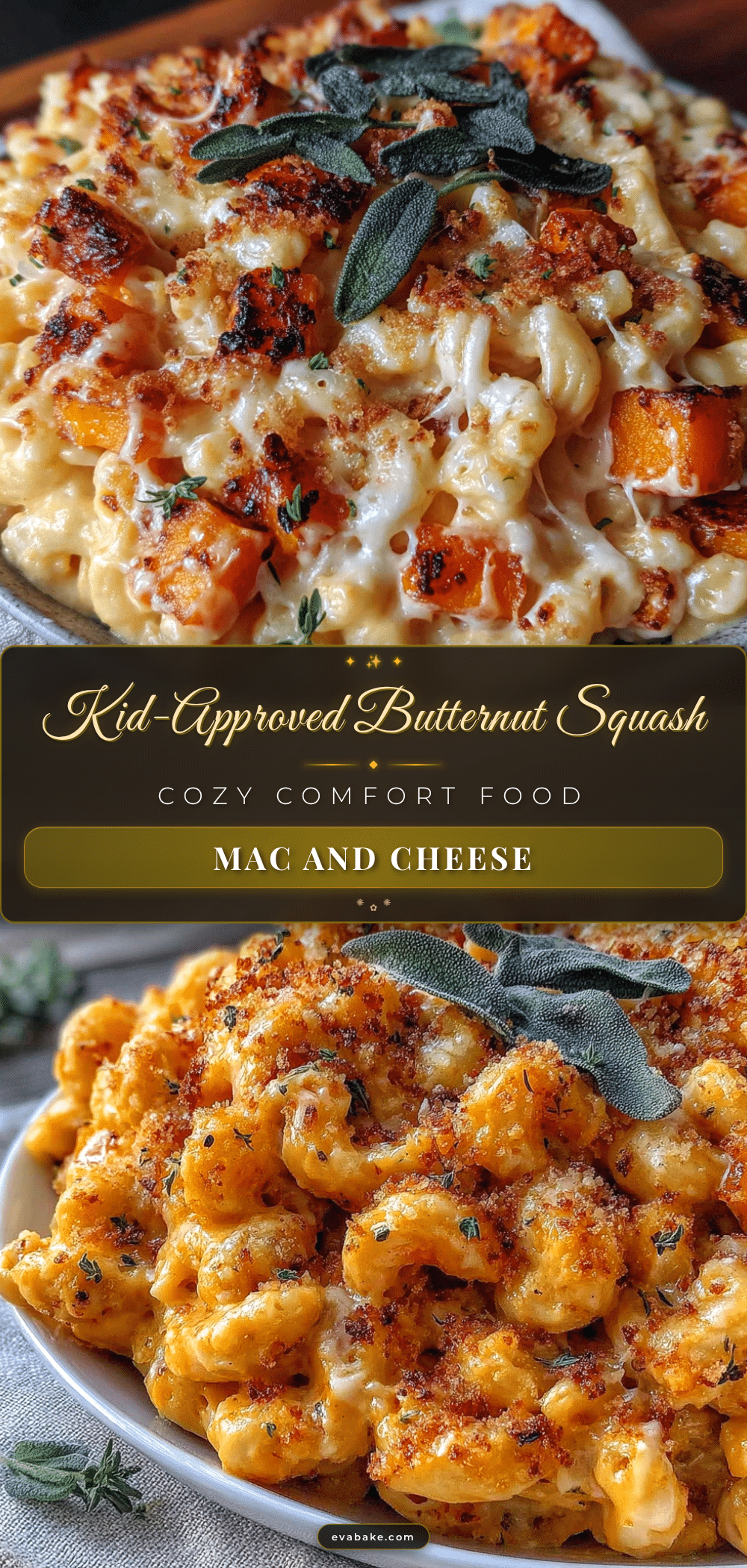
Kid-Approved Butternut Squash Mac and Cheese

A creamy, cheesy mac and cheese with a hidden butternut squash puree that adds silkiness and subtle sweetness. Perfect for picky eaters and budget-friendly weeknight dinners.
- Prep Time: 10 minutes
- Cook Time: 20 minutes
- Total Time: 30 minutes
- Yield: 4 servings 1x
- Category: Main Course
- Cuisine: American
Ingredients
- 2 cups (280g) peeled and cubed butternut squash (about half a medium squash)
- Water, for boiling
- 8 ounces (225g) elbow macaroni or any short pasta
- 2 tablespoons (30g) unsalted butter
- 2 tablespoons (15g) all-purpose flour (or gluten-free 1:1 blend)
- 1 ½ cups (360ml) whole milk
- 1 cup (240ml) reserved pasta water
- 1 ½ cups (170g) sharp cheddar cheese, freshly shredded
- ½ cup (50g) grated Parmesan cheese
- ½ teaspoon garlic powder
- ¼ teaspoon ground mustard powder
- Salt and black pepper to taste
Instructions
- Bring a large pot of salted water to a rolling boil. Add the cubed butternut squash and boil for 12-15 minutes until very tender. Remove squash with a slotted spoon.
- In the same pot (or a separate pot), cook the pasta according to package directions until al dente. Reserve 1 cup of pasta water before draining. Drain and set aside.
- Transfer the cooked squash to a blender or container. Add ¼ cup of reserved pasta water and blend until completely smooth. Set aside.
- In a medium saucepan, melt the butter over medium heat. Add the flour and whisk constantly for 1-2 minutes until light golden and nutty.
- Slowly pour in the milk while whisking constantly. Continue whisking until the mixture thickens, about 2-3 minutes. Add the squash puree and whisk until fully incorporated.
- Reduce heat to low. Add the shredded cheddar and Parmesan cheese a handful at a time, stirring until each addition is melted before adding the next. Stir in garlic powder and mustard powder. Season with salt and pepper to taste.
- Pour the drained pasta into the cheese sauce and stir to coat. If the sauce is too thick, add reserved pasta water a tablespoon at a time until desired consistency is reached.
- Serve immediately.
Notes
For a dairy-free version, use vegan butter, unsweetened oat milk, and vegan cheddar shreds. The sauce may be slightly less creamy. For a gluten-free version, use gluten-free pasta and a cup-for-cup gluten-free flour blend. To make ahead, assemble the mac and cheese (without breadcrumb topping), cool, cover, and refrigerate for up to 24 hours. Bake at 350°F for 20-25 minutes before serving.
Nutrition
- Serving Size: 1 heaping cup
- Calories: 450
- Sugar: 8
- Sodium: 600
- Fat: 20
- Saturated Fat: 12
- Carbohydrates: 50
- Fiber: 5
- Protein: 20
Keywords: butternut squash mac and cheese, kid-friendly, hidden vegetable, creamy mac and cheese, budget-friendly, weeknight dinner