Introduction
The office potluck was in six hours and I’d completely forgotten. Everyone else would be bringing their signature dishes—Maria’s famous lasagna, Tom’s slow-cooked brisket, and Lisa’s triple-chocolate cake that takes two days to prepare. I had a bag of frozen salmon fillets, a half-empty bottle of maple syrup from last fall, and a jar of Dijon mustard that was dangerously close to its expiration date. Honestly, I almost stopped for takeout on the way.
But then I remembered this maple Dijon glaze I’d thrown together once for a weeknight dinner. It was simple—maybe too simple. I mean, could three ingredients really compete with all that effort? I whisked them together, brushed it on the salmon, and popped it in the oven while I changed out of my sweatpants. The timer beeped, I pulled out the tray, and let me tell you—the smell alone made my neighbor knock on the door to ask what I was cooking. I brought it to the potluck feeling a little embarrassed. Everyone else had spent hours. I’d spent twenty minutes. Guess which dish got scraped clean first? I’m not saying it won, but people asked for the recipe before they even asked for my name. Maybe you’ve been there—the dish you almost didn’t bring becomes the one everyone remembers. That’s this salmon for me now.
Why You’ll Love This Recipe
This lighter maple Dijon glazed salmon has become my go-to for those nights when I want something that feels fancy but takes almost no effort. I’ve tested it at least a dozen times—sometimes with different salmon cuts, once with honey instead of maple syrup (it worked, but the maple version won), and even tried it on the grill. The oven version is still my favorite. It’s reliable, forgiving, and the glaze caramelizes just right without burning.
- Quick & Easy: From fridge to table in under 30 minutes. No marinating required, no complicated techniques.
- Simple Ingredients: You probably have everything in your kitchen right now. Maple syrup, Dijon mustard, salmon fillets—that’s it for the base.
- Perfect for Busy Weeknights: This is the dinner you make when you forgot to plan dinner. It works every time.
- Crowd-Pleaser: Even people who claim they don’t like fish ask for seconds. The glaze balances sweet and tangy in a way that wins over skeptics.
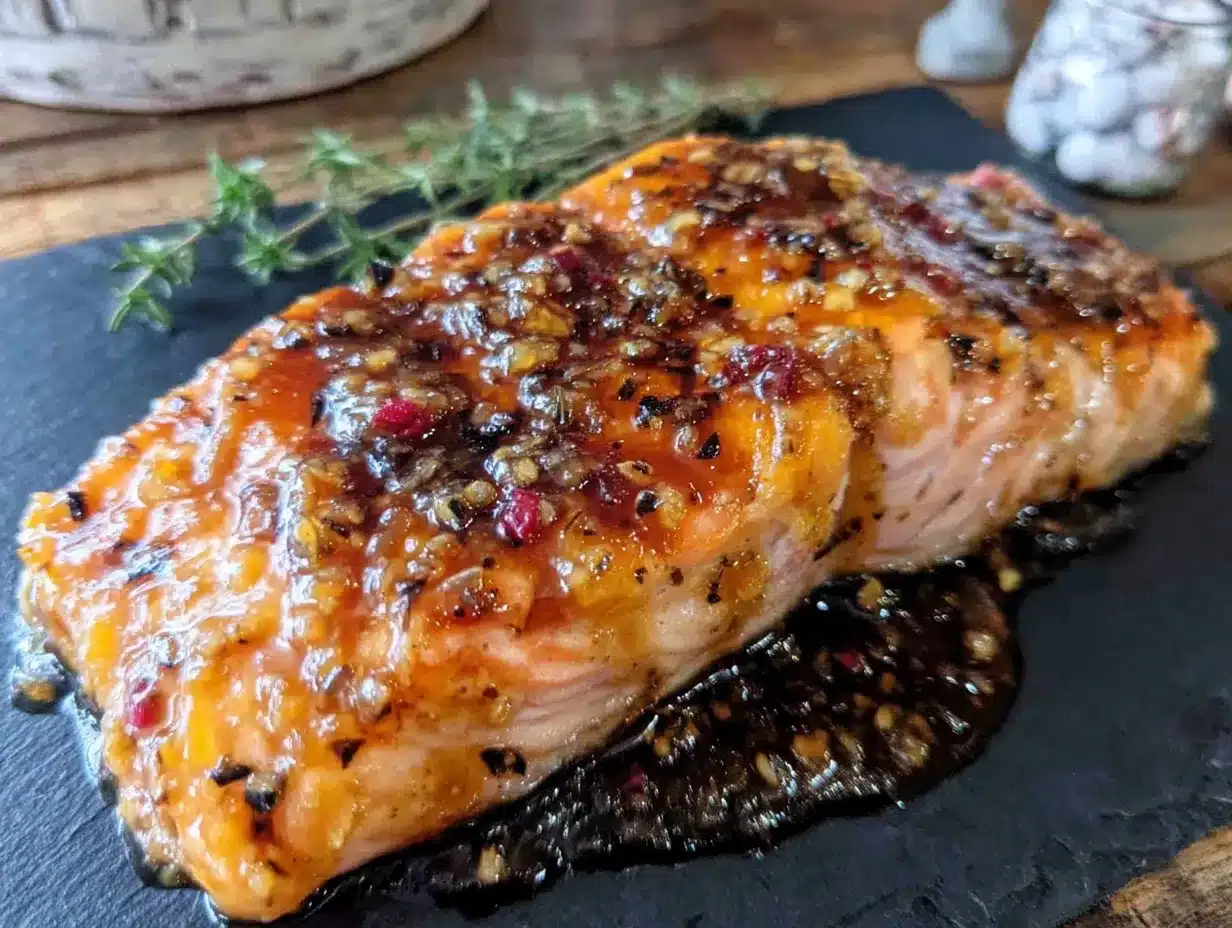
- Unbelievably Delicious: The texture is what gets me every time—flaky, tender salmon with a sticky-sweet crust that’s slightly caramelized on the edges.
What makes this different from other glazed salmon recipes is the balance. It’s lighter—less sugar than most versions, but you’d never know it because the maple syrup does all the heavy lifting. I use just enough Dijon to cut through the sweetness without overwhelming the fish. It’s comfort food reimagined—healthier, faster, but with the same soul-soothing satisfaction. Perfect for impressing guests without stress, or turning a simple Tuesday into something memorable.
What Ingredients You Will Need
This recipe uses simple, wholesome ingredients to deliver bold flavor and satisfying texture without the fuss. Most of these are pantry staples, which makes this dish perfect for those nights when you need dinner fast.
- Salmon Fillets (4 fillets, about 6 oz each): Look for wild-caught if possible—I prefer Coho or Sockeye for their firmer texture and richer flavor. Skin-on or skinless both work; I usually go skin-on because it helps keep the fish moist and makes flipping easier.
- Pure Maple Syrup (3 tablespoons): Not pancake syrup—get the real stuff. Grade A dark amber has a stronger flavor that stands up to the mustard. I’ve tried this with honey and agave, and while they work, the maple gives it that signature depth.
- Dijon Mustard (2 tablespoons): Grey Poupon is my go-to, but any smooth Dijon will do. Avoid whole grain mustard here—the texture is too chunky for a smooth glaze.
- Olive Oil (1 tablespoon): Just a little to help the glaze spread and keep the salmon from sticking. Avocado oil works too.
- Garlic (2 cloves, minced): Fresh is best—it adds a savory note that balances the sweetness. Garlic powder works in a pinch (use ½ teaspoon).
- Salt (½ teaspoon): I use fine sea salt. Adjust based on your preference.
- Black Pepper (¼ teaspoon): Freshly ground if you have it.
- Optional Garnishes: Fresh dill, chopped parsley, lemon wedges, or sesame seeds. These aren’t necessary, but they make it look restaurant-worthy.
For the glaze, I recommend whisking the maple syrup and Dijon together before adding the oil and garlic. This ensures everything emulsifies properly. If your maple syrup is cold and thick, warm it slightly in the microwave (10 seconds) to make mixing easier.
Equipment Needed
You don’t need much for this recipe, which is part of the appeal. Here’s what I use:
- Baking Sheet: A rimmed baking sheet works best to catch any glaze drips. I’ve used a 9×13 pan in a pinch, but the salmon doesn’t brown as evenly.
- Parchment Paper or Foil: Lining the sheet makes cleanup ridiculously easy. I prefer parchment because the salmon releases more cleanly.
- Small Bowl: For whisking the glaze. Any small mixing bowl will do.
- Whisk or Fork: A whisk works better for emulsifying the glaze, but a fork gets the job done.
- Pastry Brush: For spreading the glaze evenly. A spoon works too, but a brush gives you better coverage.
- Instant-Read Thermometer: This is optional but helpful if you’re new to cooking salmon. You’re looking for 125°F to 130°F at the thickest part for medium.
I bought my pastry brush for three dollars at a kitchen supply store, and it’s lasted years. No need for anything fancy here.
Preparation Method
Let me walk you through this step by step. I’ve made this salmon so many times I could do it in my sleep, but I still follow these steps because they work.
- Preheat your oven to 400°F (200°C). Line a baking sheet with parchment paper or foil. If using foil, spray it lightly with cooking spray to prevent sticking.
- Pat the salmon fillets dry with paper towels. This is important—excess moisture will prevent the glaze from sticking and create steaming instead of caramelization. Season both sides with salt and pepper. Let them sit at room temperature for 10 minutes while you make the glaze.
- Make the glaze: In a small bowl, whisk together 3 tablespoons maple syrup and 2 tablespoons Dijon mustard until smooth. Add 1 tablespoon olive oil and 2 minced garlic cloves. Whisk again until everything is combined. The glaze should look smooth and slightly thick. Taste it—you want a balance of sweet and tangy. Adjust with more mustard if it’s too sweet, or more maple if it’s too sharp.
- Place the salmon fillets on the prepared baking sheet, skin-side down if they have skin. Space them at least an inch apart so they cook evenly. Brush the glaze generously over the tops and sides of each fillet. Don’t forget the sides—that’s where the best caramelized bits form.
- Bake for 12-15 minutes, depending on the thickness of your fillets. For 1-inch thick fillets, start checking at 12 minutes. The salmon is done when it flakes easily with a fork and the internal temperature reaches 125°F to 130°F for medium. The glaze should be bubbling and slightly caramelized on the edges.
- Optional: Broil for 1-2 minutes at the end for extra caramelization. Watch it carefully—the sugar in the maple syrup can burn quickly. I’ve learned this the hard way more than once.
- Let the salmon rest for 2-3 minutes before serving. This allows the juices to redistribute and the glaze to set slightly. Garnish with fresh dill or parsley and a squeeze of lemon if desired.
A note on timing: If your fillets are thinner (½ inch), check them at 8-10 minutes. Thicker fillets (1½ inches) may need 15-18 minutes. The glaze should be sticky and slightly browned, not burnt. If you see black spots forming, your oven might run hot—reduce the temperature to 375°F next time.
Cooking Tips & Techniques
I’ve made every mistake possible with this recipe so you don’t have to. Here’s what I’ve learned:
Don’t over-glaze the salmon. I know it’s tempting, but too much glaze can make the salmon soggy and prevent that beautiful caramelization. A thin, even layer is all you need. You can always brush on more halfway through cooking if you want extra flavor.
Room temperature salmon cooks more evenly. Letting the fillets sit out for 10-15 minutes before baking takes the chill off and helps the center cook at the same rate as the edges. Cold salmon from the fridge often ends up overcooked on the outside and raw in the middle.
Watch the sugar content. Maple syrup burns faster than you think. If your oven runs hot, check the salmon a few minutes early. I once got distracted answering a text and ended up with charcoal-glazed salmon. Not my finest moment.
Line your pan properly. The glaze will bubble and drip, and if it hits the pan directly, it can burn and smoke. Parchment paper is your friend here. If using foil, make sure it’s heavy-duty or double-layered.
Multitask wisely. While the salmon bakes, you have 12-15 minutes to make a quick side dish. I usually steam some green beans or toss together a simple arugula salad with lemon vinaigrette. The timing works out perfectly.
For consistent results, buy salmon fillets that are similar in thickness. If one is much thinner than the others, it will cook faster. You can always remove it from the oven early and let the thicker ones keep cooking.
Variations & Adaptations
This recipe is surprisingly flexible. Here are some variations I’ve tried and loved:
Spicy Maple Dijon Salmon: Add ½ teaspoon of red pepper flakes or a teaspoon of sriracha to the glaze. The heat cuts through the sweetness beautifully. I made this version for a friend who loves spice, and she’s requested it every time I cook for her since.
Herb-Crusted Version: After brushing on the glaze, press a mixture of fresh dill, parsley, and chives onto the top of each fillet before baking. The herbs get slightly crispy in the oven and add a fresh, bright flavor.
Low-Carb Adaptation: The maple syrup adds about 4 grams of sugar per serving. For a lower-carb option, use a sugar-free maple syrup substitute or replace it with a mixture of 2 tablespoons Dijon and 1 tablespoon olive oil with a pinch of stevia. It’s not the same, but it still tastes good.
Grilled Version: This glaze works beautifully on the grill. Preheat your grill to medium-high, oil the grates well, and cook the salmon for 4-5 minutes per side. Brush with glaze after flipping to prevent burning. The smoky char adds another layer of flavor.
Air Fryer Method: Cook at 375°F for 8-10 minutes, depending on thickness. The air fryer gives you extra-crispy edges. I’ve done this when I didn’t want to heat up the whole oven, and it works great.
I’ve also tried this with different fish—cod, trout, and even swordfish. The glaze works best with firmer fish that can hold up to the sweetness. Cod is my second favorite after salmon.
Serving & Storage Suggestions
This salmon is best served warm, right after it comes out of the oven. The glaze is at its stickiest and most flavorful at this point. I like to serve it over a bed of wild rice or quinoa to soak up any extra glaze that pools on the plate.
For sides, I usually go simple. Steamed asparagus with lemon, roasted broccoli, or a crisp green salad with a light vinaigrette all complement the sweetness of the glaze. If I’m feeling fancy, I’ll make a quick cucumber and dill salad with yogurt—the coolness balances the richness of the salmon.
For drinks, a crisp white wine like Sauvignon Blanc or Pinot Grigio pairs beautifully. For non-alcoholic options, sparkling water with lemon or a light iced green tea works well.
Storage: Leftover salmon keeps in the refrigerator for up to 3 days in an airtight container. The glaze will soften, but the flavor remains. I don’t recommend freezing glazed salmon—the texture changes and the glaze can become watery when thawed.
Reheating: The best way to reheat is in a 300°F oven for 5-7 minutes. The microwave works in a pinch but can make the salmon rubbery. I’ve also flaked cold leftover salmon over salads for lunch the next day—it’s delicious that way too.
One thing I’ve noticed: the flavors actually meld together more overnight. If you have leftovers, try them cold straight from the fridge. The glaze sets into a sort of savory-sweet jelly that’s surprisingly good.
Nutritional Information & Benefits
This lighter maple Dijon glazed salmon is packed with nutrition without sacrificing flavor. Here’s the estimated breakdown per serving (one fillet):
- Calories: 380-420
- Protein: 34g
- Fat: 18g (mostly healthy omega-3s)
- Carbohydrates: 14g (from maple syrup)
- Sugar: 12g (natural sugars)
- Sodium: 480mg
Salmon is one of the best sources of omega-3 fatty acids, which support heart health, brain function, and reduce inflammation. The maple syrup provides antioxidants and minerals like zinc and manganese, while the Dijon mustard adds a small amount of selenium and fiber.
This recipe is naturally gluten-free, dairy-free, and nut-free. It’s also relatively low in carbohydrates compared to many dinner options, making it suitable for low-carb or keto-friendly diets with the sugar-free adaptation mentioned above.
I love that this dish feels indulgent but is actually really good for you. It’s the kind of meal that makes you feel energized afterward, not sluggish. Perfect for those evenings when you want something satisfying that won’t weigh you down.
Conclusion
This lighter maple Dijon glazed salmon has become a staple in my kitchen for good reason. It’s quick enough for a busy weeknight, impressive enough for company, and healthy enough to feel good about eating regularly. The balance of sweet and tangy, the tender flaky texture, and the way it comes together in under 30 minutes—honestly, what more could you ask for?
I’d love to hear how this turns out for you. Did you try any of the variations? Add your own twist? Found a side dish that pairs perfectly? Drop a comment below and let me know. Your feedback helps other readers discover new ways to make this recipe their own. And if you loved it, share it with a friend who needs a quick, delicious dinner idea in their back pocket.
Happy cooking, friend. I hope this salmon brings a little warmth and flavor to your table, just like it has to mine.
Frequently Asked Questions
Can I use frozen salmon for this recipe?
Yes, absolutely. Just thaw it completely in the refrigerator overnight, or use the cold water method (sealed bag submerged in cold water for 30 minutes). Pat it dry thoroughly before seasoning, as frozen salmon tends to release more moisture.
Can I make the glaze ahead of time?
You can whisk the glaze together up to 2 days in advance and store it in the refrigerator. Let it come to room temperature before using, or warm it slightly to make brushing easier.
What if I don’t have maple syrup?
Honey is the best substitute—use the same amount. Agave nectar or brown sugar dissolved in a tablespoon of warm water also work, though the flavor profile will change slightly. Avoid artificial syrups, as they don’t caramelize properly.
How do I know when the salmon is done?
The most reliable method is an instant-read thermometer—125°F to 130°F for medium. Without a thermometer, look for the salmon to flake easily when gently pressed with a fork. The center should be opaque but still moist. If it looks dry or is pulling apart easily, it’s overcooked.
Can I double this recipe?
Definitely. For larger batches, use a larger baking sheet or two sheets to avoid overcrowding. The cooking time remains the same as long as the fillets are similar in thickness. You may need to whisk up a double batch of the glaze.
Pin This Recipe!
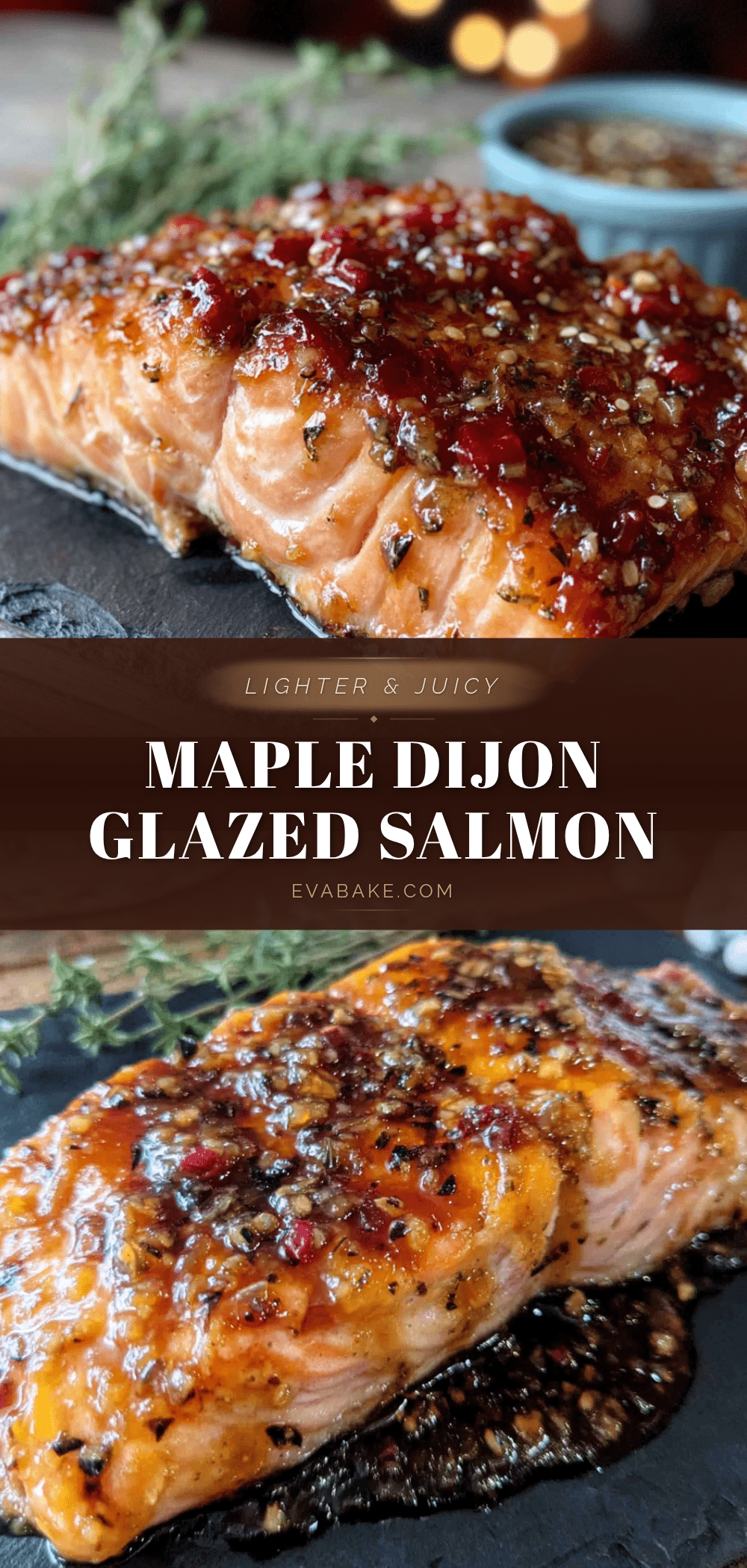
Lighter Maple Dijon Glazed Salmon: Easy 30-Min Dinner
This lighter maple Dijon glazed salmon is a quick and easy 30-minute dinner that feels fancy but takes almost no effort. The glaze balances sweet and tangy, creating flaky, tender salmon with a sticky-sweet crust that’s perfect for busy weeknights or impressing guests.
- Prep Time: 10 minutes
- Cook Time: 15 minutes
- Total Time: 25 minutes
- Yield: 4 servings 1x
- Category: Main Course
- Cuisine: American
Ingredients
- 4 salmon fillets (about 6 oz each)
- 3 tablespoons pure maple syrup
- 2 tablespoons Dijon mustard
- 1 tablespoon olive oil
- 2 cloves garlic, minced
- ½ teaspoon fine sea salt
- ¼ teaspoon freshly ground black pepper
- Optional garnishes: fresh dill, chopped parsley, lemon wedges, sesame seeds
Instructions
- Preheat your oven to 400°F (200°C). Line a baking sheet with parchment paper or foil. If using foil, spray it lightly with cooking spray to prevent sticking.
- Pat the salmon fillets dry with paper towels. Season both sides with salt and pepper. Let them sit at room temperature for 10 minutes while you make the glaze.
- In a small bowl, whisk together 3 tablespoons maple syrup and 2 tablespoons Dijon mustard until smooth. Add 1 tablespoon olive oil and 2 minced garlic cloves. Whisk again until everything is combined.
- Place the salmon fillets on the prepared baking sheet, skin-side down if they have skin. Space them at least an inch apart. Brush the glaze generously over the tops and sides of each fillet.
- Bake for 12-15 minutes, depending on the thickness of your fillets. For 1-inch thick fillets, start checking at 12 minutes. The salmon is done when it flakes easily with a fork and the internal temperature reaches 125°F to 130°F for medium.
- Optional: Broil for 1-2 minutes at the end for extra caramelization. Watch it carefully to prevent burning.
- Let the salmon rest for 2-3 minutes before serving. Garnish with fresh dill or parsley and a squeeze of lemon if desired.
Notes
Don’t over-glaze the salmon; a thin, even layer is best. Let the salmon come to room temperature before baking for even cooking. Watch the sugar content—maple syrup can burn quickly. Line your pan properly to prevent smoking. For consistent results, buy salmon fillets of similar thickness. If your fillets are thinner (½ inch), check at 8-10 minutes; thicker (1½ inches) may need 15-18 minutes.
Nutrition
- Serving Size: 1 fillet
- Calories: 400
- Sugar: 12
- Sodium: 480
- Fat: 18
- Saturated Fat: 3
- Carbohydrates: 14
- Protein: 34
Keywords: maple Dijon salmon, glazed salmon, easy salmon recipe, 30-minute dinner, healthy salmon, weeknight dinner, salmon fillet, maple syrup, Dijon mustard