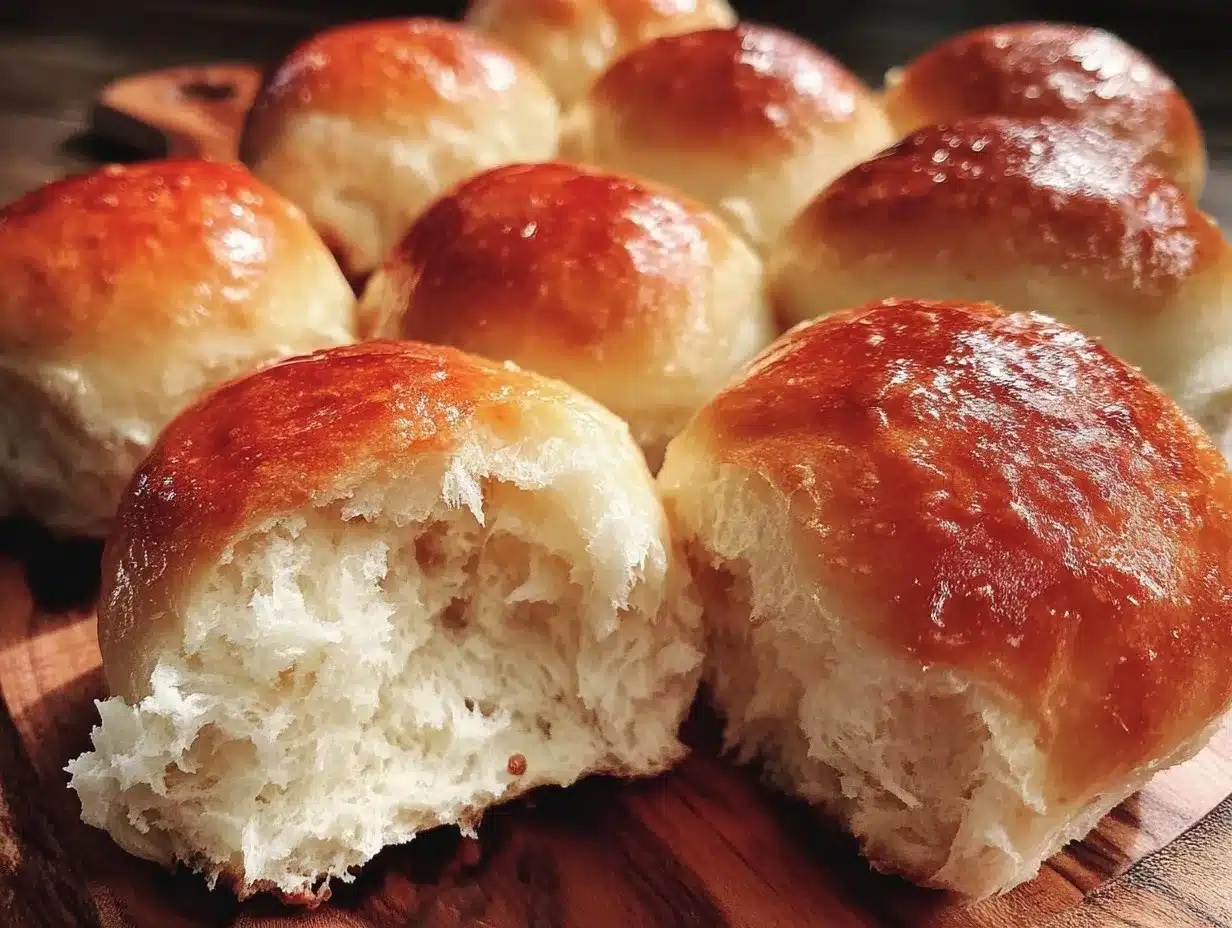
“You really don’t need a bread machine for this,” my friend said on a lazy weekend morning. I was half skeptical, honestly. Japanese milk bread rolls had always seemed the kind of thing requiring fancy gadgets or a professional touch. But there we were, flour dusting the counter, hands sticky and hopeful, as the dough came together surprisingly fast and soft. That first bite? Pure pillow-like magic — light, fluffy, and just sweet enough to make you pause and say, “Okay, I see why this recipe sticks.”
It wasn’t some grand baking plan but more of a spur-of-the-moment kitchen experiment that turned into a little obsession. I found myself making these Japanese milk bread rolls multiple times that week — sometimes for breakfast, other times just to have a soft, comforting snack on hand. The smell of the dough rising in the warm kitchen, the slightly sweet aroma of milk and butter, and the tender crumb that pulls apart so effortlessly made me realize this recipe was a keeper for anyone who thinks homemade bread is complicated. Spoiler alert: It’s not.
What really won me over was how accessible this recipe is. No fancy tools, just a bit of elbow grease and a few simple ingredients you probably already have. Plus, it’s a friendly recipe for those who want to impress with soft, bakery-style bread without the hassle of a bread machine or hours of kneading. This recipe isn’t just about making bread — it’s a little moment of calm in a busy day, a soft bite of joy, and a reminder that sometimes the best things come from the simplest efforts.
So, if you’re curious or even a bit doubtful about making Japanese milk bread rolls without a bread machine, stick around. You might just find yourself making them as often as I do, with a few tweaks and personal touches along the way.
Why You’ll Love This Recipe
After countless trials and a few doughy misadventures, this Japanese milk bread rolls recipe emerged as a clear favorite in my kitchen. It’s tested, tweaked, and family-approved, and I’m confident it’ll charm you too.
- Quick & Easy: The dough comes together in under 20 minutes, with no bread machine required — perfect for those busy weeknights or spontaneous baking urges.
- Simple Ingredients: No obscure or specialty items here. Just pantry staples like bread flour, milk, and yeast, making it as practical as it is tasty.
- Perfect for Any Occasion: Whether you’re serving breakfast, packing lunchboxes, or preparing a cozy dinner spread, these rolls fit right in.
- Crowd-Pleaser: Kids, adults, picky eaters — everyone seems to go back for seconds. The soft texture and subtle sweetness really win hearts.
- Unbelievably Delicious: Thanks to the tangzhong method (a simple cooked flour-water paste), these rolls boast a fluffy, moist crumb that lasts for days.
What sets this version apart? It’s the easy no bread machine technique combined with the tangzhong starter that keeps the bread soft and fresh longer. Plus, I’ve balanced the sweetness and salt just right — not too much, not too little — for a perfectly tender bite every time. Honestly, this recipe brings the bakery home without any fuss. And trust me, after making this, you’ll probably find yourself craving soft, buttery rolls in the middle of a hectic week (I know I do!).
What Ingredients You Will Need
This recipe uses simple, wholesome ingredients that work together to create that signature soft, fluffy texture and mild sweetness you expect from Japanese milk bread rolls. Most of these are pantry staples, but a few tips can help you get the best results.
- Bread Flour: 3 cups (360g) — Bread flour has higher protein content, which gives the rolls their chewy, elastic texture. If you only have all-purpose flour, it can work but expect a slightly less chewy crumb.
- Milk: 1 cup (240ml), whole milk preferred — Adds moisture and richness. I like using whole milk for creaminess, but 2% works fine too.
- Unsalted Butter: 4 tablespoons (56g), softened — Butter adds tenderness and flavor. Use a quality butter like Kerrygold if you want a richer taste.
- Granulated Sugar: 1/4 cup (50g) — Just enough to give a subtle sweetness without overpowering.
- Instant Dry Yeast: 2 1/4 teaspoons (7g) — The powerhouse that makes your dough rise beautifully. I recommend brands like SAF or Fleischmann’s for reliable results.
- Salt: 1 teaspoon (6g) — Balances the sweetness and enhances flavor.
- Egg: 1 large, room temperature — Adds richness and structure to the dough.
- Water: 1/3 cup (80ml) — Used to make the tangzhong, which is the key to that signature softness and shelf-life.
- Flour for Tangzhong: 2 tablespoons (18g) — Regular all-purpose flour works perfectly here.
Ingredient tips: When selecting milk, fresh is best, and if you want to make this dairy-free, swap milk with almond or oat milk and butter with a plant-based alternative. For a gluten-free option, try this Japanese milk bread roll recipe with a gluten-free flour blend, but keep in mind texture will differ.
Equipment Needed
- Mixing Bowls: A medium and a small bowl will do — nothing fancy.
- Measuring Cups and Spoons: For precise measurements, especially with flour and yeast.
- Whisk and Spatula: To mix the tangzhong and dough ingredients.
- Stand Mixer with Dough Hook (Optional): If you want to save some arm work, but hand kneading works just fine.
- Baking Pan: A 9×5 inch (23×13 cm) loaf pan or a round baking pan for rolls.
- Plastic Wrap or Clean Kitchen Towel: To cover dough for rising.
- Cooling Rack: To cool the rolls after baking for best texture.
Personally, I prefer hand kneading because it connects me to the dough, but if you’re short on time or have a stand mixer, it works wonders for consistent results. If you don’t have a bread pan, no worries — you can shape the dough into individual rolls and bake on a parchment-lined tray. Just watch the baking time as it might vary slightly.
Preparation Method
- Prepare the Tangzhong: In a small saucepan, whisk together 1/3 cup (80ml) water and 2 tablespoons (18g) flour until smooth. Heat over medium-low, stirring constantly, until the mixture thickens to a pudding-like consistency (about 3-5 minutes). Remove from heat and let it cool to room temperature. This step is crucial for that ultra-soft crumb.
- Mix Dry Ingredients: In a large bowl, combine 3 cups (360g) bread flour, 1/4 cup (50g) sugar, 1 teaspoon (6g) salt, and 2 1/4 teaspoons (7g) instant dry yeast. Stir them together evenly.
- Add Wet Ingredients: Add the cooled tangzhong, 1 cup (240ml) whole milk, 4 tablespoons (56g) softened butter, and 1 large egg into the dry ingredients. Mix with a spatula or your hands until a shaggy dough forms.
- Knead the Dough: Turn the dough onto a lightly floured surface. Knead for about 10-12 minutes by hand until smooth and elastic. If the dough is too sticky, add a bit more flour, a tablespoon at a time, but be careful not to overdo it — the dough should be soft and slightly tacky.
- First Rise: Place the dough in a lightly greased bowl, cover with plastic wrap or a clean kitchen towel, and let it rise in a warm spot until doubled in size — about 1 to 1.5 hours.
- Shape the Rolls: Once risen, punch down the dough gently. Divide it into 8 equal pieces (about 90g or 3.2 oz each). Shape each piece into a smooth ball by tucking edges under and rolling on the counter.
- Second Rise: Arrange the rolls in a greased 9×5 inch (23×13 cm) loaf pan or on a parchment-lined baking sheet, leaving a little space between them. Cover and let rise for another 45 minutes until puffy.
- Bake: Preheat your oven to 350°F (175°C). Brush the tops of the rolls lightly with milk or an egg wash for a shiny crust. Bake for 20-25 minutes until golden brown and hollow-sounding when tapped.
- Cool: Remove from oven and transfer rolls to a cooling rack to cool completely before slicing or serving. Trust me, the texture is best when cooled.
Pro tip: If your kitchen is cold, placing the dough near a warm stove or inside a turned-off oven with just the light on can speed up rising. Also, don’t rush the kneading step — that’s where the gluten develops for the perfect chew!
Cooking Tips & Techniques
Getting these Japanese milk bread rolls just right is about a few key tricks I learned after more than a dozen batches:
- Don’t Skip the Tangzhong: This simple flour-water paste is the secret behind the soft, fluffy texture and longer shelf life. It’s worth the extra step.
- Knead Well but Don’t Overdo It: Kneading develops gluten, but too much can make the bread tough. Aim for a smooth, slightly tacky dough that springs back when pressed.
- Watch Your Yeast: Instant dry yeast is forgiving and easy, but make sure it’s fresh. Expired yeast leads to flat rolls.
- Temperature Matters: Use room temperature eggs and milk so the dough doesn’t get chilled, which slows rising.
- Let the Dough Rise Fully: Patience here gives you that airy texture. Don’t rush the first or second proofing.
- Egg Wash vs Milk Brush: An egg wash gives a shiny, golden crust, while milk keeps it soft and matte. I switch depending on my mood.
One time, I was in a hurry and didn’t let the dough rise properly. The rolls came out dense and sad — lesson learned! Now I always set a timer and give the dough the time it needs, even if the kitchen is chilly.
Variations & Adaptations
This Japanese milk bread roll recipe is a great base that’s easy to tweak for different tastes and dietary needs.
- Sweet Version: Add a teaspoon of vanilla extract and swap half the granulated sugar for honey. Try folding in mini chocolate chips for a treat.
- Savory Twist: Incorporate herbs like rosemary or thyme into the dough. Add a sprinkle of coarse sea salt on top before baking for a rustic look.
- Gluten-Free Option: Substitute bread flour with a gluten-free flour blend designed for bread baking and increase the tangzhong flour slightly. The texture will be different but still enjoyable.
- Dairy-Free Adaptation: Use almond or oat milk and a plant-based butter alternative. The flavor will be a little lighter but still soft and fluffy.
- Cooking Methods: If you don’t want to bake, try steaming the dough balls for a soft, pillowy texture similar to bao buns. Steam for about 15 minutes instead of baking.
I personally tried the savory herb version recently for a brunch spread, and it paired beautifully with creamy scrambled eggs — a nice contrast to the usual sweet rolls.
Serving & Storage Suggestions
These fluffy Japanese milk bread rolls taste best warm, fresh out of the oven, but they hold up well if stored properly.
- Serving: Serve warm with butter, jam, or honey. They’re also fantastic as sandwich rolls for soft, pillowy bites.
- Complementary Dishes: Pair with a comforting bowl of soup like the ham and bean soup or a creamy tomato bisque for a cozy meal.
- Storage: Keep the rolls in an airtight container at room temperature for up to 2 days. For longer storage, freeze them wrapped tightly in plastic wrap and foil.
- Reheating: Thaw frozen rolls at room temperature, then warm in a 300°F (150°C) oven for 5-7 minutes to restore softness. Avoid microwaving too long as it can dry them out.
- Flavor Development: The bread remains soft and flavorful for a day or two, but it’s best enjoyed fresh. Leftovers make excellent toast or bread pudding base.
Nutritional Information & Benefits
Each fluffy Japanese milk bread roll (approximately 90g) contains roughly:
| Calories | 180-210 kcal |
|---|---|
| Carbohydrates | 30g |
| Protein | 5g |
| Fat | 5g |
| Sugar | 4g |
Thanks to the milk and egg, these rolls provide a modest amount of protein and calcium. Using whole milk and butter adds richness but also fat, so they’re best enjoyed in moderation as a treat or part of a balanced meal.
This recipe is naturally gluten-containing because of bread flour. For those with gluten sensitivities, the gluten-free variation is a good alternative. Also, note it contains dairy and egg, so it’s not suitable for strict vegan diets, but substitutions can be made.
From my perspective, these rolls strike a nice balance between indulgence and wholesome comfort — a small daily joy without going overboard.
Conclusion
Making fluffy Japanese milk bread rolls without a bread machine might sound ambitious, but this recipe proves it’s totally doable — and enjoyable! It’s simple enough for a casual weekend baker yet yields bakery-quality results that impress every time. The softness, slight sweetness, and tender crumb make these rolls a standout in my baking repertoire.
Feel free to customize the sweetness, shape, or add-ins to make this recipe truly yours. Whether you’re new to bread baking or looking for a no-fuss, delicious bread to complement your meals, these rolls fit the bill.
Honestly, I keep coming back to this recipe when I want a soft, buttery bread that feels like a hug in carb form. If you try it, I’d love to hear how your rolls turned out or what variations you experimented with — sharing those moments is part of the fun.
Now, go ahead and enjoy baking this little slice of softness — no bread machine needed!
FAQs About Fluffy Japanese Milk Bread Rolls
Can I make this recipe without instant dry yeast?
Yes, you can use active dry yeast but dissolve it in warm water first and let it activate for 5-10 minutes before adding to the dough. The rising time might be slightly longer.
What if I don’t have bread flour? Can I use all-purpose flour?
All-purpose flour will work but expect a less chewy and slightly denser texture. Bread flour’s higher protein content helps develop gluten for that signature fluffiness.
How do I store leftover Japanese milk bread rolls?
Store cooled rolls in an airtight container at room temperature for up to 2 days. For longer storage, freeze wrapped tightly and reheat in the oven before serving.
Can I make these rolls vegan?
Yes! Substitute milk with plant-based milk (like almond or oat), use vegan butter, and replace the egg with a flax egg or applesauce. Texture may vary slightly.
Is there a way to speed up the rising time?
Placing the dough in a warm, draft-free spot helps. Some use the oven with just the light on or near a radiator. Avoid rushing by using too much yeast, as it can affect flavor.
Pin This Recipe!
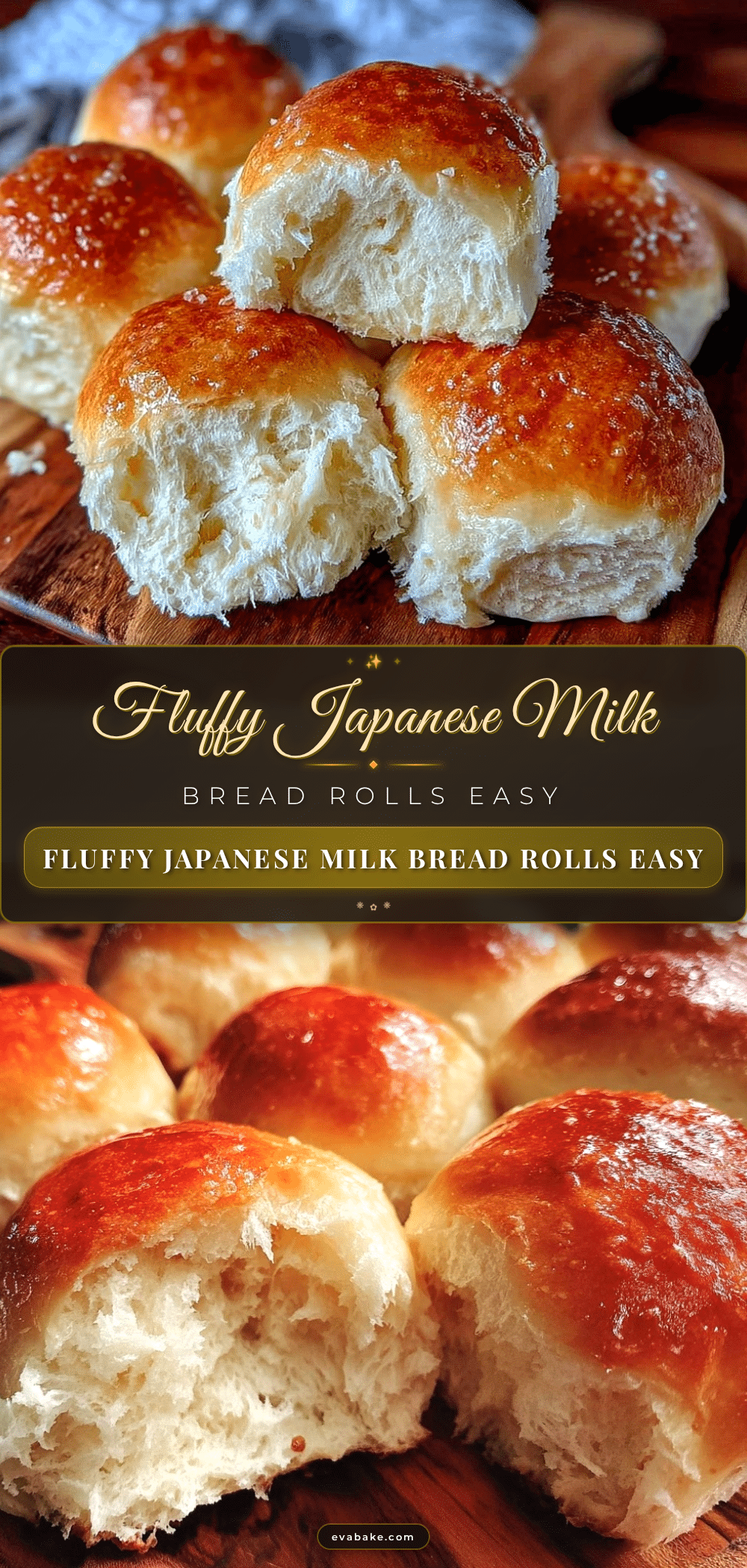
Fluffy Japanese Milk Bread Rolls
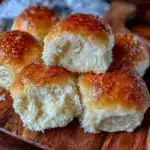
Soft, fluffy, and slightly sweet Japanese milk bread rolls made easily without a bread machine using the tangzhong method for a tender crumb that lasts.
- Prep Time: 20 minutes
- Cook Time: 25 minutes
- Total Time: 2 hours 30 minutes
- Yield: 8 rolls 1x
- Category: Bread
- Cuisine: Japanese
Ingredients
- 3 cups (360g) bread flour
- 1 cup (240ml) whole milk
- 4 tablespoons (56g) unsalted butter, softened
- 1/4 cup (50g) granulated sugar
- 2 1/4 teaspoons (7g) instant dry yeast
- 1 teaspoon (6g) salt
- 1 large egg, room temperature
- 1/3 cup (80ml) water
- 2 tablespoons (18g) all-purpose flour (for tangzhong)
Instructions
- Prepare the Tangzhong: In a small saucepan, whisk together 1/3 cup (80ml) water and 2 tablespoons (18g) flour until smooth. Heat over medium-low, stirring constantly, until thickened to pudding-like consistency (3-5 minutes). Remove from heat and cool to room temperature.
- Mix Dry Ingredients: In a large bowl, combine bread flour, sugar, salt, and instant dry yeast. Stir evenly.
- Add Wet Ingredients: Add cooled tangzhong, whole milk, softened butter, and egg to dry ingredients. Mix until a shaggy dough forms.
- Knead the Dough: Turn dough onto a lightly floured surface. Knead by hand for 10-12 minutes until smooth and elastic. Add flour sparingly if too sticky.
- First Rise: Place dough in a lightly greased bowl, cover, and let rise in a warm spot until doubled in size, about 1 to 1.5 hours.
- Shape the Rolls: Punch down dough gently. Divide into 8 equal pieces (~90g each). Shape each into a smooth ball.
- Second Rise: Arrange rolls in a greased 9×5 inch loaf pan or on a parchment-lined baking sheet. Cover and let rise for 45 minutes until puffy.
- Bake: Preheat oven to 350°F (175°C). Brush tops with milk or egg wash. Bake for 20-25 minutes until golden brown and hollow sounding when tapped.
- Cool: Transfer rolls to a cooling rack and cool completely before slicing or serving.
Notes
Use whole milk for creaminess but 2% milk works too. For dairy-free, substitute milk and butter with plant-based alternatives. Knead until dough is smooth and elastic but not too stiff. Let dough rise fully for best texture. Egg wash gives shiny crust; milk brush gives soft matte finish. If kitchen is cold, place dough near warm stove or inside oven with light on to speed rising.
Nutrition
- Serving Size: 1 roll (approximatel
- Calories: 180210
- Sugar: 4
- Sodium: 250
- Fat: 5
- Saturated Fat: 3
- Carbohydrates: 30
- Fiber: 1
- Protein: 5
Keywords: Japanese milk bread, milk bread rolls, fluffy bread, tangzhong bread, no bread machine bread, soft rolls, homemade bread