“You really can’t rush a good Bolognese,” my aunt once said, as she stirred the simmering pot with that patient kind of determination only a true Nonna possesses. I remember that afternoon vividly — the kitchen filled with the warm, comforting scent of garlic and slow-cooked tomatoes, the light fading softly outside like it was waiting for this sauce to finish. It wasn’t just any sauce; it was her Sunday Bolognese, the kind that seemed to wrap the whole family in a cozy, delicious hug.
Honestly, I was skeptical at first. I thought Bolognese was just tomato sauce with meat. But this? This was a rich symphony of flavors, layered and complex, born from hours of gentle simmering and a few secret touches that only come from years of making it by heart. Every time I tried to make my own version, it fell short — until one day, after a particularly exhausting week, I found myself pulling out the recipe card she’d scribbled years ago. I followed it exactly, and something clicked. The sauce thickened perfectly, the flavors deepened, and that familiar, soul-soothing aroma filled my kitchen.
Making Nonna’s Sunday Bolognese became a ritual, something I returned to time and again, especially when I needed a bit of comfort or a way to slow down. There’s something quietly grounding about stirring a pot for hours, letting all those simple ingredients meld into something extraordinary. It’s not just about the dinner — it’s about the memories, the stories, and the little moments shared over a big bowl of pasta.
That’s why this recipe stuck with me, and why I’m sharing it here — not as some fancy, complicated dish, but as a heartfelt reminder that good food takes time, care, and a bit of love. It’s the kind of sauce that makes you want to close your eyes after the first bite and just savor the moment.
Why You’ll Love This Recipe
After making this Classic Homemade Nonna’s Sunday Bolognese Sauce more times than I can count, I’ve learned what really sets it apart — and why it deserves a spot in your cooking rotation. Here’s why this recipe stands out:
- Slow-Simmered Richness: The long cooking time lets the flavors develop deeply, creating a sauce that’s rich but never heavy.
- Simple, Real Ingredients: Nothing fancy or hard to find — just quality meat, fresh vegetables, and pantry staples that build flavor naturally.
- Perfect for Family Meals: This sauce is a crowd-pleaser, great for Sunday dinners or any time you want to impress without stress.
- Versatile Base: Use it with your favorite pasta, layer it in lasagna, or even spoon it over creamy polenta for a hearty twist.
- Authentic Technique: Following traditional methods like sweating the soffritto and adding milk to tenderize the meat makes all the difference.
What makes this recipe different? It’s the little touches — like a splash of whole milk to soften the acidity and the patience to let it simmer low and slow. Nonna’s method isn’t about rushing; it’s about coaxing out the best from a few humble ingredients. It’s comfort food with soul and history, the kind of dish that turns an ordinary day into something special.
What Ingredients You Will Need
This recipe uses simple, wholesome ingredients to deliver bold flavor and satisfying texture without the fuss. Most are probably already in your kitchen, making it easy to pull together a classic sauce that tastes like it’s been simmering all day.
- Olive oil: Use extra virgin for the best flavor.
- Unsalted butter: Adds richness and helps soften the soffritto.
- Yellow onion: Finely chopped, forms the savory base.
- Carrot: Finely diced, brings natural sweetness.
- Celery stalks: Finely diced, adds subtle earthiness.
- Garlic cloves: Minced, for that warm aromatic punch.
- Ground beef: Choose 80/20 lean-to-fat ratio for juicy texture.
- Ground pork: Adds depth and a bit of fattiness.
- Pancetta or bacon: Diced, optional but highly recommended for smoky undertones.
- Tomato paste: Concentrated flavor, brown it slightly for richness.
- Canned whole tomatoes: Crushed by hand for rustic texture (San Marzano if available).
- Dry white wine: Adds acidity and complexity (substitute with beef broth if preferred).
- Whole milk or heavy cream: Softens acidity and tenderizes meat.
- Bay leaf: Classic herb for subtle aroma.
- Salt and freshly ground black pepper: To season perfectly.
- Fresh basil and parsley: Chopped, for finishing brightness.
If you want to swap ingredients, almond milk can replace dairy milk for a lighter version, and turkey or veal can substitute the pork or beef for a different flavor profile. I’ve found Colavita olive oil and Mutti canned tomatoes give the best results if you want to get picky about brands, but honestly, any good-quality pantry staples will shine here.
Equipment Needed
- Heavy-bottomed pot or Dutch oven: Ideal for slow simmering without hot spots.
- Wooden spoon: For stirring gently without scratching your cookware.
- Chef’s knife and cutting board: To finely chop the soffritto vegetables.
- Measuring cups and spoons: For precise seasoning and liquid measurements.
- Can opener: For the tomatoes.
- Colander or mesh strainer: Optional, if you want to drain excess fat.
If you don’t have a Dutch oven, a heavy saucepan with a tight-fitting lid works fine — just keep an eye on the heat so it doesn’t scorch. Personally, I’ve learned that a thicker pot makes a huge difference in preventing the sauce from sticking or burning during long cooks. For chopping, a sharp knife is key, and keeping it well-maintained means less effort and better texture.
Preparation Method
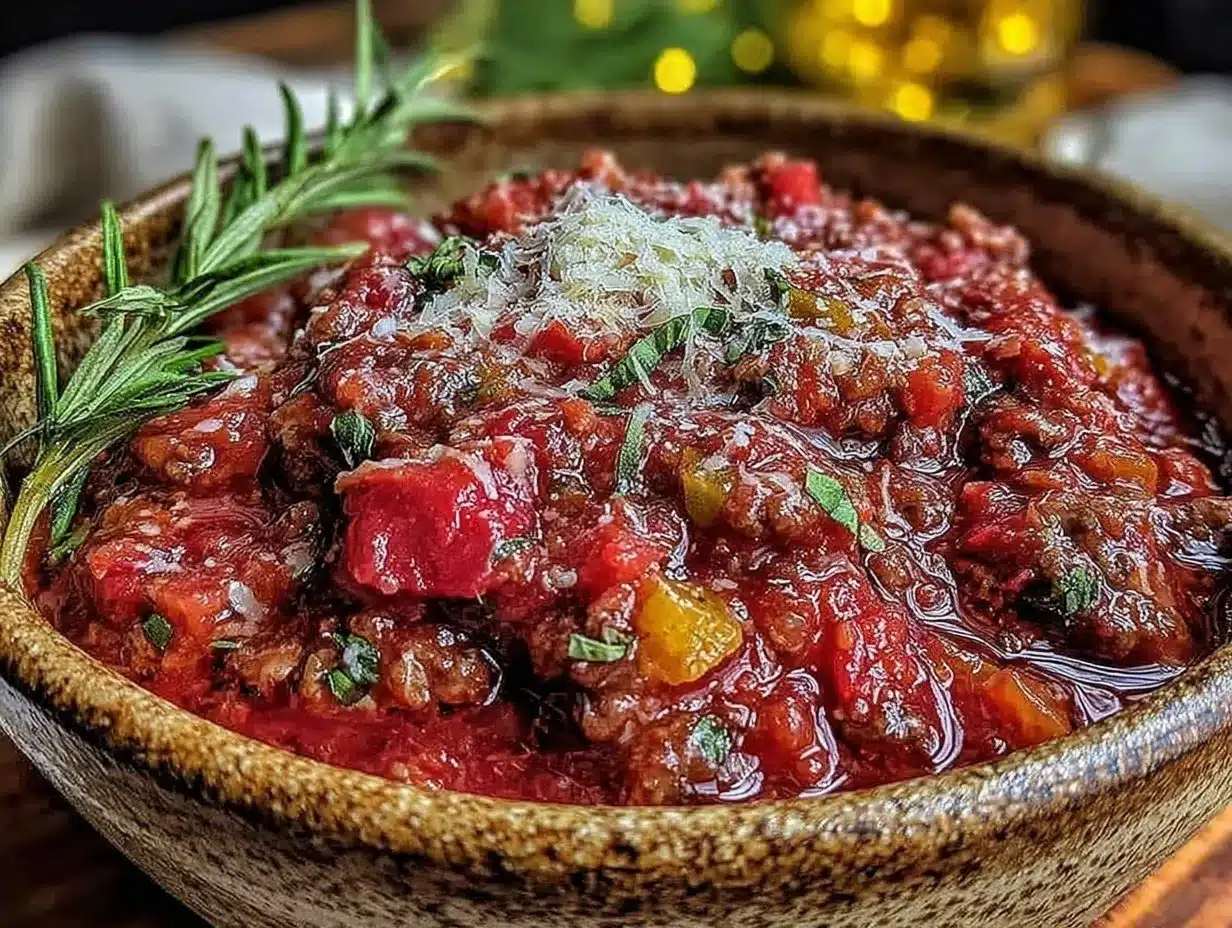
- Prepare the soffritto: Heat 2 tablespoons of olive oil and 1 tablespoon of butter over medium heat in your Dutch oven. Add 1 finely chopped onion, 1 diced carrot, and 1 diced celery stalk. Cook gently, stirring often, until vegetables are soft and translucent, about 8-10 minutes. Avoid browning — you want sweetness, not bitterness.
- Add the garlic and pancetta: Stir in 2 minced garlic cloves and 2 ounces of diced pancetta. Cook for 2-3 minutes until fragrant and pancetta starts to crisp.
- Brown the meat: Increase heat to medium-high. Add 1/2 pound ground beef and 1/2 pound ground pork. Break up with a wooden spoon and cook until browned but not dry, about 7-8 minutes. Season lightly with salt and pepper as you go.
- Incorporate tomato paste: Stir in 2 tablespoons tomato paste. Cook for 3-4 minutes, letting it caramelize slightly — this deepens the flavor immensely.
- Deglaze with wine: Pour in 1/2 cup dry white wine. Scrape the bottom of the pot to lift any browned bits. Let it simmer until mostly evaporated, about 5 minutes.
- Add tomatoes and seasoning: Crush one 28-ounce can of whole tomatoes by hand and add to the pot. Toss in 1 bay leaf. Stir to combine, then bring to a gentle simmer. Reduce heat to low.
- Add milk and simmer: Stir in 1/2 cup whole milk. This step is essential — it softens the meat and balances the acidity. Simmer uncovered for 2 to 3 hours, stirring occasionally. The sauce should thicken and develop a rich, velvety texture.
- Final seasoning and herbs: Remove bay leaf. Taste and adjust salt and pepper. Stir in 2 tablespoons chopped fresh basil and parsley just before serving.
Expect the prep to take about 20 minutes and the simmering around 2.5 hours — patience here is key. If the sauce gets too thick during cooking, add a splash of water or broth. If you notice any burning smells, lower the heat immediately. The smell should be sweet and savory, never acrid.
Cooking Tips & Techniques
There’s a reason Nonna’s Sunday Bolognese sauce feels so special, and a lot of it comes down to technique and patience. Here are some tips I’ve picked up over the years:
- Don’t rush the soffritto: Sweating the onions, carrots, and celery slowly brings out the natural sweetness. If you try to speed this up with high heat, you risk bitter undertones.
- Brown meat in batches if needed: Crowding the pan steams the meat instead of browning it, which dulls flavor. If your pot is small, brown half then set aside while you brown the rest.
- Use whole milk, not skim: The fat content helps tenderize the meat and rounds out acidity from tomatoes.
- Simmer low and slow: This isn’t a quick sauce. A long simmer is what builds the deep, layered flavor. Resist the urge to crank up the heat.
- Stir occasionally but gently: You want to prevent sticking but not break the meat into mush.
- Adjust seasoning at the end: Flavors concentrate as the sauce reduces, so it’s best to salt and pepper after simmering.
I once scorched a batch by getting distracted mid-simmer — lesson learned: set a timer and check regularly. Also, I like to multitask by prepping a fresh golden milk latte or slicing a loaf of crusty bread while the sauce cooks.
Variations & Adaptations
This Classic Homemade Nonna’s Sunday Bolognese Sauce is wonderfully adaptable to different tastes and dietary needs:
- Vegetarian version: Swap the meat with finely chopped mushrooms, lentils, or a mixture of both. Use vegetable broth instead of wine.
- Spicy twist: Add a pinch of red pepper flakes during the soffritto stage for subtle heat.
- Seasonal veggies: In summer, toss in diced zucchini or bell peppers during the last hour of simmering for extra freshness.
- Gluten-free: Naturally gluten-free when served over rice noodles or gluten-free pasta.
- Slow cooker method: Brown all components on the stove, then transfer to a slow cooker and simmer on low for 6-8 hours.
Once, I tried stirring in a bit of cream cheese at the end for extra silkiness — it was unexpectedly delicious and made a great creamy pasta combo. Try different herbs like rosemary or oregano for a slightly different aromatic profile.
Serving & Storage Suggestions
Nonna’s Bolognese is best served warm over freshly cooked tagliatelle or pappardelle to catch all that luscious sauce. For a classic experience, finish with a generous sprinkle of grated Parmigiano-Reggiano and a drizzle of good olive oil.
It pairs beautifully with a simple arugula salad dressed with lemon and olive oil, or alongside crusty garlic bread to soak up every last drop. For a full Italian feast vibe, serve with a glass of Chianti or your favorite red wine.
Leftovers keep well in the fridge for up to 4 days, and the flavors actually deepen after a day. Reheat gently on the stovetop or microwave, adding a splash of water or broth if it thickens too much. This sauce freezes beautifully — portion it into airtight containers and thaw overnight in the fridge.
If you want a quicker cozy weeknight dinner, pairing this sauce with a crockpot lasagna soup is a fun twist that captures all the comforting vibes with less wait.
Nutritional Information & Benefits
This hearty sauce is packed with protein and nutrients from the meat and vegetables. A typical serving (about 1 cup) contains roughly 350-400 calories, with 25 grams of protein and moderate fat content depending on meat choice.
The soffritto veggies provide fiber and vitamins A and C, while tomatoes add antioxidants like lycopene, which support heart health. Using whole milk helps maintain creaminess without the heaviness of cream, striking a good balance.
If you prefer a leaner version, opting for ground turkey or chicken works well, and swapping to low-fat milk keeps it lighter while preserving tenderness. Keep in mind the sauce contains dairy and meat, so it’s not suitable for vegans or those avoiding these allergens.
Conclusion
This Classic Homemade Nonna’s Sunday Bolognese Sauce isn’t just a recipe — it’s a little piece of tradition, patience, and love simmered into every bite. It’s the kind of dish that brings people together, one spoonful at a time, and makes ordinary days feel special.
Feel free to make it your own — tweak the herbs, swap meats, or add your favorite veggies. That’s what makes a recipe truly yours. For me, it’s the sauce that reminds me of those quiet afternoons in Nonna’s kitchen and the warmth of family gathered around the table.
Let me know how your sauce turns out or any twists you try! Sharing these moments makes the recipe all the richer.
Frequently Asked Questions
Can I make Bolognese sauce ahead of time?
Absolutely! It actually tastes better the next day as the flavors meld. Store it in an airtight container in the fridge for up to 4 days, or freeze for up to 3 months.
What pasta goes best with Bolognese?
Traditional choices are tagliatelle or pappardelle because their broad ribbons hold the thick sauce well, but any pasta you love works.
Can I use ground turkey or chicken instead of beef and pork?
Yes, though the sauce will be leaner. Consider adding a bit more olive oil or a splash of cream to keep it moist and flavorful.
How long should I simmer Bolognese sauce?
Ideally, 2 to 3 hours on low heat. This slow simmer is key for tender meat and rich flavor.
Is there a vegetarian version of Bolognese?
Yes! Use lentils or finely chopped mushrooms for a meaty texture and follow the same cooking steps, replacing meat with your vegetarian protein.
Pin This Recipe!
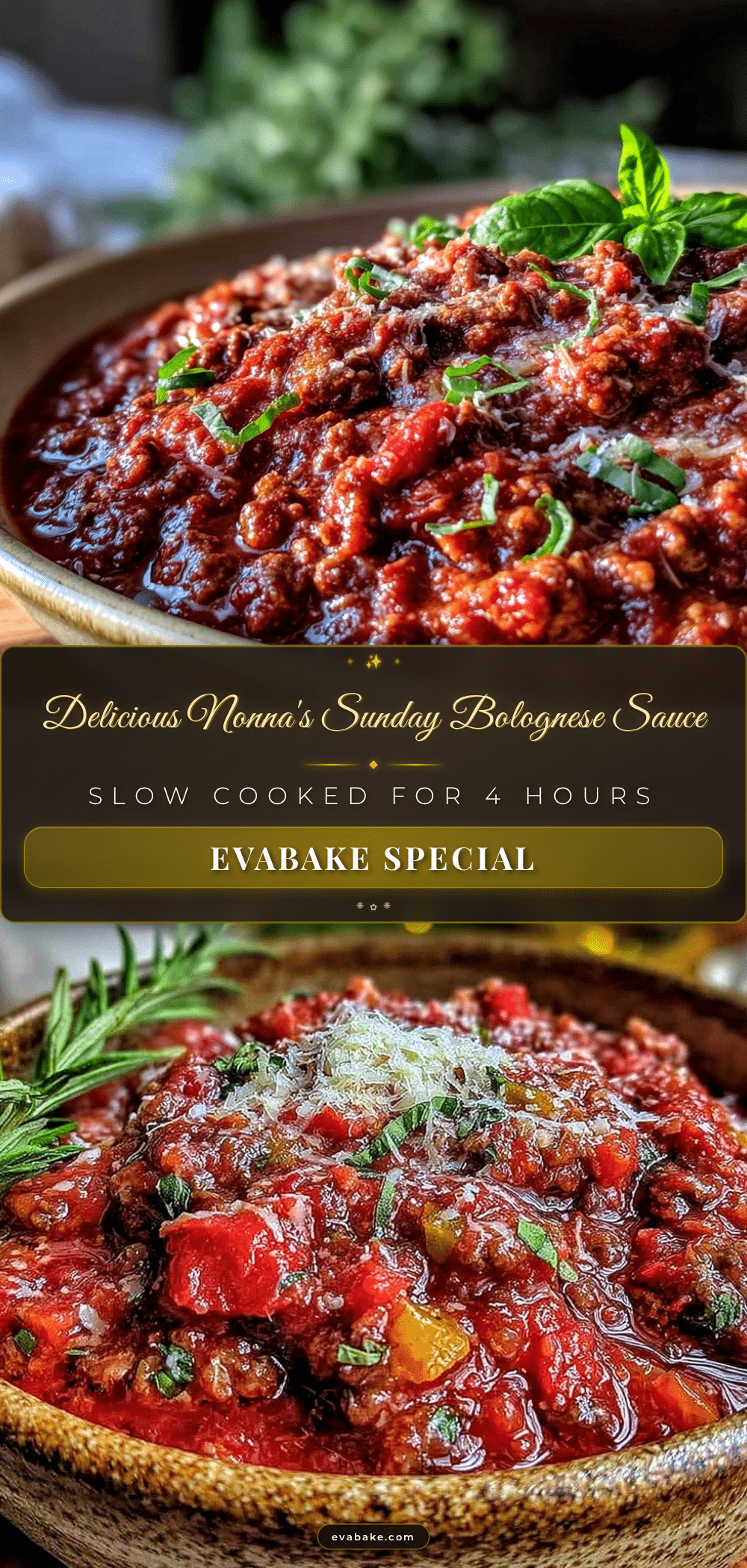
Classic Homemade Nonna’s Sunday Bolognese Sauce
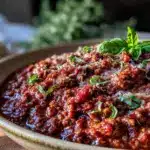
A rich, slow-simmered Bolognese sauce made with simple, wholesome ingredients and traditional techniques, perfect for comforting family meals.
- Prep Time: 20 minutes
- Cook Time: 2 hours 30 minutes
- Total Time: 2 hours 50 minutes
- Yield: 6 servings 1x
- Category: Main Course
- Cuisine: Italian
Ingredients
- 2 tablespoons extra virgin olive oil
- 1 tablespoon unsalted butter
- 1 yellow onion, finely chopped
- 1 carrot, finely diced
- 1 celery stalk, finely diced
- 2 garlic cloves, minced
- 2 ounces pancetta or bacon, diced (optional but recommended)
- 1/2 pound ground beef (80/20 lean-to-fat ratio)
- 1/2 pound ground pork
- 2 tablespoons tomato paste
- 1/2 cup dry white wine (or beef broth as substitute)
- 1 (28-ounce) can whole tomatoes, crushed by hand (San Marzano if available)
- 1 bay leaf
- 1/2 cup whole milk or heavy cream
- Salt and freshly ground black pepper, to taste
- 2 tablespoons fresh basil, chopped
- 2 tablespoons fresh parsley, chopped
Instructions
- Heat 2 tablespoons olive oil and 1 tablespoon butter over medium heat in a heavy-bottomed pot or Dutch oven.
- Add finely chopped onion, diced carrot, and diced celery. Cook gently, stirring often, until vegetables are soft and translucent, about 8-10 minutes. Avoid browning.
- Stir in minced garlic and diced pancetta. Cook for 2-3 minutes until fragrant and pancetta starts to crisp.
- Increase heat to medium-high. Add ground beef and ground pork. Break up with a wooden spoon and cook until browned but not dry, about 7-8 minutes. Season lightly with salt and pepper.
- Stir in tomato paste and cook for 3-4 minutes, letting it caramelize slightly.
- Pour in dry white wine. Scrape the bottom of the pot to lift browned bits. Let simmer until mostly evaporated, about 5 minutes.
- Add crushed whole tomatoes and bay leaf. Stir to combine and bring to a gentle simmer. Reduce heat to low.
- Stir in whole milk. Simmer uncovered for 2 to 3 hours, stirring occasionally, until sauce thickens and develops a rich texture.
- Remove bay leaf. Taste and adjust salt and pepper. Stir in chopped fresh basil and parsley just before serving.
Notes
Do not rush the soffritto to avoid bitterness. Brown meat in batches if needed to ensure proper browning. Use whole milk to tenderize meat and balance acidity. Simmer low and slow for best flavor. Stir gently and occasionally to prevent sticking. Adjust seasoning at the end. If sauce thickens too much, add a splash of water or broth. The sauce tastes better the next day and freezes well.
Nutrition
- Serving Size: About 1 cup sauce pe
- Calories: 375
- Sugar: 6
- Sodium: 450
- Fat: 22
- Saturated Fat: 8
- Carbohydrates: 10
- Fiber: 3
- Protein: 25
Keywords: Bolognese, Italian sauce, slow simmer, homemade, Nonna's recipe, Sunday dinner, pasta sauce, rich flavor