There’s something about the quiet hum of a late spring evening that makes me want to cook simply yet thoughtfully. One particular night, after a long day of juggling a few too many things at once, I found myself staring at a basket of garden veggies that had been sitting on the counter a little too long. Honestly, I wasn’t in the mood to fuss over a complicated dinner, but throwing together something fresh and comforting felt necessary. That’s when the idea of this fresh wholesome pesto pasta primavera with garden veggies was born — almost by accident, really.
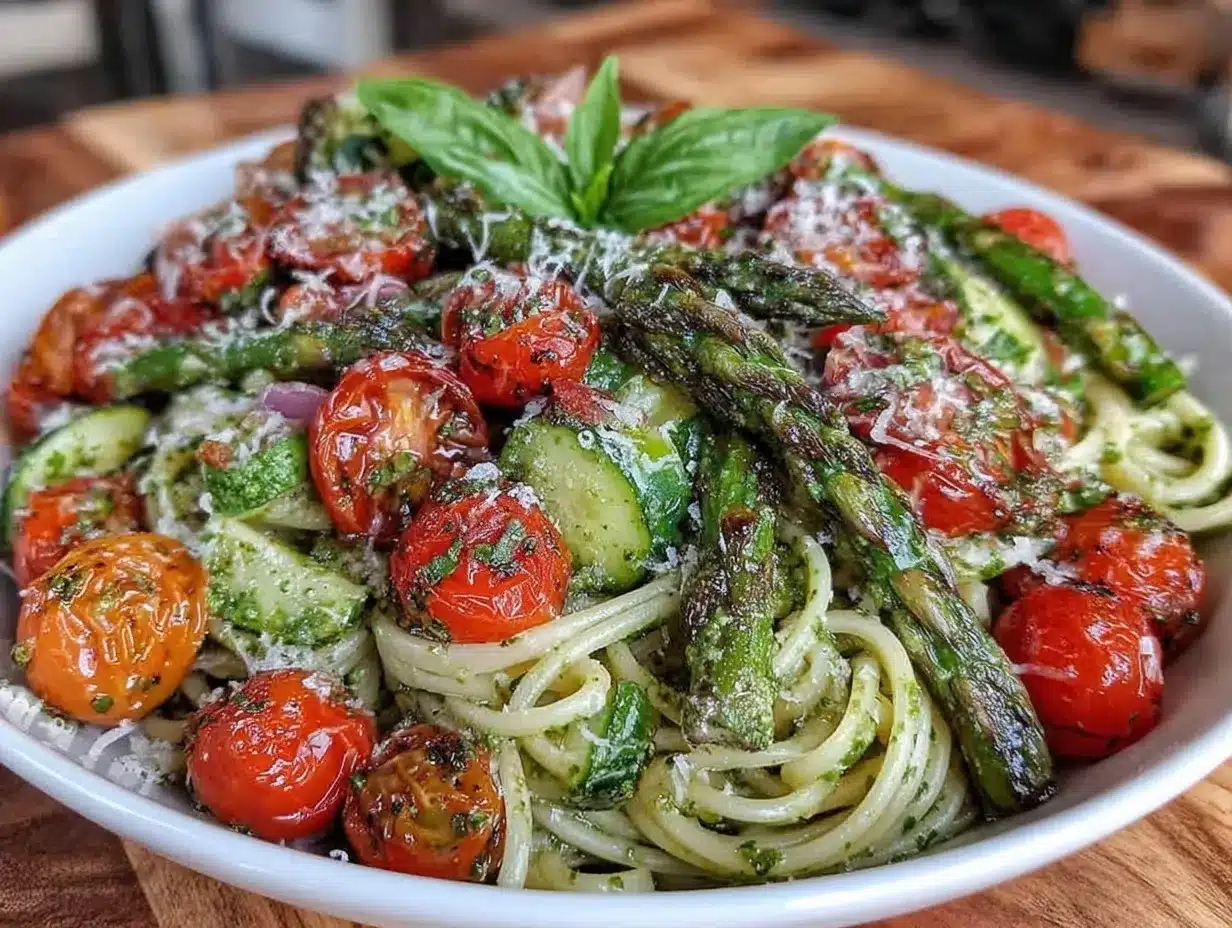
I grabbed what was ripe and ready: tender zucchini, bright cherry tomatoes, and crisp snap peas, all colors bursting with life. Tossing them with some al dente pasta and a vibrant basil pesto made from scratch (because, you know, store-bought just wouldn’t cut it this time), I ended up with this vibrant, cozy bowl that felt like a hug after a hectic day. It wasn’t planned, but it quickly became my go-to when I needed a healthy, satisfying reset without spending hours in the kitchen.
What stuck with me was how the simple flavors of the garden veggies and the fresh pesto combined so naturally, each bite reminding me of those calm, grounding moments we all crave. This recipe isn’t just about good ingredients—it’s about slowing down enough to taste them fully. And, honestly, that’s why it’s stayed in my rotation ever since.
Why You’ll Love This Recipe
- Quick & Easy: This fresh wholesome pesto pasta primavera comes together in about 30 minutes, perfect for busy weeknights or whenever you want something wholesome without the hassle.
- Simple Ingredients: No need for specialty stores—just basic pantry staples and whatever fresh veggies you have on hand, making it super approachable.
- Perfect for Seasonal Eating: It highlights spring and summer garden veggies, but you can swap with whatever’s in season or in your fridge.
- Crowd-Pleaser: Kids and adults alike love the vibrant colors and fresh flavors, making it a reliable dish for casual dinners or small gatherings.
- Unbelievably Delicious: The homemade pesto adds a bright, herbaceous punch that ties all the garden veggies and pasta together in a beautifully balanced way.
What makes this fresh wholesome pesto pasta primavera truly stand out is the way the pesto is made—blending fresh basil, pine nuts, garlic, and just the right amount of Parmesan to create a silky sauce that clings perfectly to every strand of pasta. Plus, the lightly sautéed veggies keep their natural crunch and sweetness, making every forkful a little celebration of freshness. It’s the kind of recipe that makes you close your eyes and savor the simple joy of eating real food, without any fuss or fluff.
What Ingredients You Will Need
This recipe uses simple, wholesome ingredients to deliver bold flavor and satisfying texture without the fuss. Most of these are pantry staples or fresh garden finds that you can easily swap based on availability.
- Pasta: 12 ounces (340 grams) of your favorite pasta—penne, farfalle, or spaghetti work beautifully here.
- Fresh Basil: About 2 cups packed leaves (roughly 50 grams) for the pesto, preferably organic and vibrant green.
- Pine Nuts: 1/4 cup (30 grams), lightly toasted for extra nuttiness (you can substitute walnuts or almonds).
- Garlic: 2 cloves, peeled and minced, for that essential pungency in the pesto.
- Parmesan Cheese: 1/2 cup (50 grams), freshly grated adds richness and sharpness (use a good-quality Parmigiano-Reggiano).
- Olive Oil: 1/2 cup (120 ml), extra virgin for the pesto and some for sautéing veggies.
- Zucchini: 2 small-medium, sliced into half-moons, tender and fresh.
- Cherry Tomatoes: 1 cup (150 grams), halved, juicy and sweet.
- Snap Peas: 1 cup (100 grams), trimmed, crisp and bright.
- Lemon Juice: 1 tablespoon, freshly squeezed to add a touch of brightness.
- Salt and Pepper: To taste, preferably sea salt and freshly cracked black pepper.
- Optional: Red pepper flakes for a subtle kick, or fresh parsley for garnish.
I like to use a brand like Colavita for olive oil because it has a clean, fruity flavor that really shines in pesto. For the pine nuts, lightly toasting them in a dry pan brings out so much more depth—don’t skip that step! And if you’re in the mood for a gluten-free version, swapping in your favorite gluten-free pasta works just fine without sacrificing texture.
Equipment Needed
- Large pot for boiling pasta
- Large skillet or sauté pan for veggies
- Food processor or blender to make the pesto (a high-speed blender works well too)
- Measuring cups and spoons for accuracy
- Sharp knife and cutting board for prepping veggies
- Colander to drain pasta
If you don’t have a food processor, a sturdy blender can handle the pesto, though you might need to stop and scrape down the sides a few times. A mortar and pestle is also a charming old-school option if you want a rustic texture. For budget-friendly cooking, a good skillet with a heavy bottom helps keep the veggies evenly cooked without burning (I’ve had great luck with cast iron for this).
Preparation Method
- Cook the pasta: Bring a large pot of salted water to a boil. Add 12 ounces (340g) of pasta and cook according to package instructions until just al dente, usually about 9–11 minutes. Reserve 1 cup (240 ml) of pasta water before draining. Drain pasta and set aside.
- Toast the pine nuts: While pasta cooks, heat a small dry skillet over medium heat. Add 1/4 cup (30g) pine nuts and toast, stirring frequently, for 3-4 minutes or until golden and fragrant. Remove from heat to cool.
- Make the pesto: In a food processor, combine 2 cups packed fresh basil leaves, toasted pine nuts, 2 minced garlic cloves, 1/2 cup (50g) freshly grated Parmesan, and 1/2 cup (120 ml) extra virgin olive oil. Pulse until smooth but still slightly textured. Season with salt and pepper to taste.
- Sauté the veggies: Heat 1 tablespoon olive oil in a large skillet over medium heat. Add 2 sliced zucchini and cook for about 3 minutes until slightly tender but still crisp. Add 1 cup halved cherry tomatoes and 1 cup snap peas, cooking for another 2-3 minutes until veggies are heated through but vibrant. Season lightly with salt and pepper.
- Combine pasta and pesto: Add the drained pasta to the skillet with the veggies. Pour in the pesto and toss gently to coat everything evenly. If the mixture feels dry, slowly add reserved pasta water, a few tablespoons at a time, until you reach a silky consistency.
- Finish and serve: Stir in 1 tablespoon fresh lemon juice to brighten the dish. Taste and adjust seasoning if needed. Serve immediately, garnished with extra Parmesan or fresh parsley if desired.
Pro tip: Don’t overcook the veggies! You want them tender but still with a little bite—that’s where the fresh garden vibe really shines. Also, saving some pasta water is a game changer for getting the pesto to cling perfectly without being oily or heavy.
Cooking Tips & Techniques
One thing I learned early on is that the quality of your pesto ingredients really makes or breaks the dish. Fresh basil is non-negotiable—wilted leaves just won’t have that punch. Toasting pine nuts is another small step that adds a deep, nutty aroma, which honestly can’t be rushed.
When cooking the pasta, salt the water generously so the noodles have flavor all the way through. And don’t forget to reserve some pasta water before draining—that starchiness helps the pesto sauce cling like a dream.
For the veggies, think of them as the star supporting cast. Sauté them quickly over medium heat to keep their texture lively and colors bright. Overcooked zucchini or mushy tomatoes can turn this fresh dish into a sad one.
Lastly, when mixing pesto with pasta, start with less and add more gradually. If it gets too thick, thin it out with pasta water rather than extra oil. This keeps the dish balanced and light, just like it should be.
Variations & Adaptations
- Protein boost: Add grilled chicken, shrimp, or pan-seared tofu to make it a heartier meal.
- Seasonal swap: Use asparagus or green beans in spring, or roasted bell peppers and eggplant in late summer for a different veggie profile.
- Nut-free pesto: Replace pine nuts with sunflower seeds or pumpkin seeds if you have allergies.
- Dairy-free option: Skip the Parmesan and add nutritional yeast for a cheesy flavor without dairy.
- Grain alternative: Try this with zucchini noodles or quinoa pasta for a low-carb or gluten-free twist.
Personally, I once tossed in some sautéed wild mushrooms when I had an unexpected haul from the farmer’s market, and it turned this into a fall-friendly comfort dish that was equally delightful. The flexibility here is what makes this recipe a keeper.
Serving & Storage Suggestions
This pesto pasta primavera is best served fresh and warm, when the pesto’s aroma is at its peak and the veggies still have their snap. For a casual dinner, I like to plate it simply with a sprinkle of extra Parmesan and a crack of black pepper.
Pair it with a crisp white wine like Sauvignon Blanc or a light sparkling water with lemon for a refreshing contrast. A simple side salad or crusty bread rounds out the meal nicely without stealing the spotlight.
Leftovers keep well in an airtight container in the fridge for up to 2 days. When reheating, add a splash of water or olive oil and warm gently on the stove to keep the sauce from drying out. The flavors mellow a bit overnight, which some days I actually prefer—it makes the dish taste even more harmonious.
Nutritional Information & Benefits
This fresh wholesome pesto pasta primavera is a balanced dish offering carbohydrates from the pasta, healthy fats from olive oil and pine nuts, and plenty of vitamins and fiber from the garden veggies. A typical serving (about 1.5 cups) contains roughly 450 calories, with approximately 15 grams of fat, 60 grams of carbs, and 12 grams of protein.
Key ingredients like basil are packed with antioxidants, while garlic supports heart health. Using olive oil provides monounsaturated fats, which are good for the heart. For those watching gluten, swapping in gluten-free pasta makes this recipe friendly without sacrificing flavor or texture.
It’s a dish that feels light yet satisfying, making it a smart choice for anyone wanting a nourishing meal that doesn’t skimp on taste or soul.
Conclusion
This fresh wholesome pesto pasta primavera with garden veggies is one of those recipes that’s as flexible as it is flavorful. From the first bite, it’s clear that simple, fresh ingredients can come together in a way that feels both comforting and bright. It’s the kind of dish I keep returning to, whether I’m craving a quick meal after work or wanting to impress friends with minimal effort.
Feel free to make it your own—swap in your favorite veggies, add a protein, or tweak the pesto to suit your taste. That’s the beauty of this recipe: it’s a canvas for your kitchen creativity. I hope it brings you the same joy and ease it’s brought me.
Give it a try, and if you do, I’d love to hear how you made it yours!
FAQs
Can I use store-bought pesto instead of making it fresh?
Yes, you can use store-bought pesto for convenience, but fresh pesto makes a noticeable difference in flavor and brightness.
What pasta shape works best for this recipe?
Short shapes like penne or farfalle work well because they catch the pesto and veggies, but spaghetti or linguine are great too if you prefer long pasta.
How do I store leftover pesto pasta primavera?
Keep leftovers in an airtight container in the fridge for up to 2 days. Reheat gently on the stove with a splash of water or olive oil.
Can I make this recipe vegan?
Absolutely! Skip the Parmesan and use nutritional yeast or a vegan cheese alternative in the pesto.
Is this recipe suitable for gluten-free diets?
Yes, simply substitute regular pasta with your favorite gluten-free pasta and follow the recipe as usual.
Pin This Recipe!
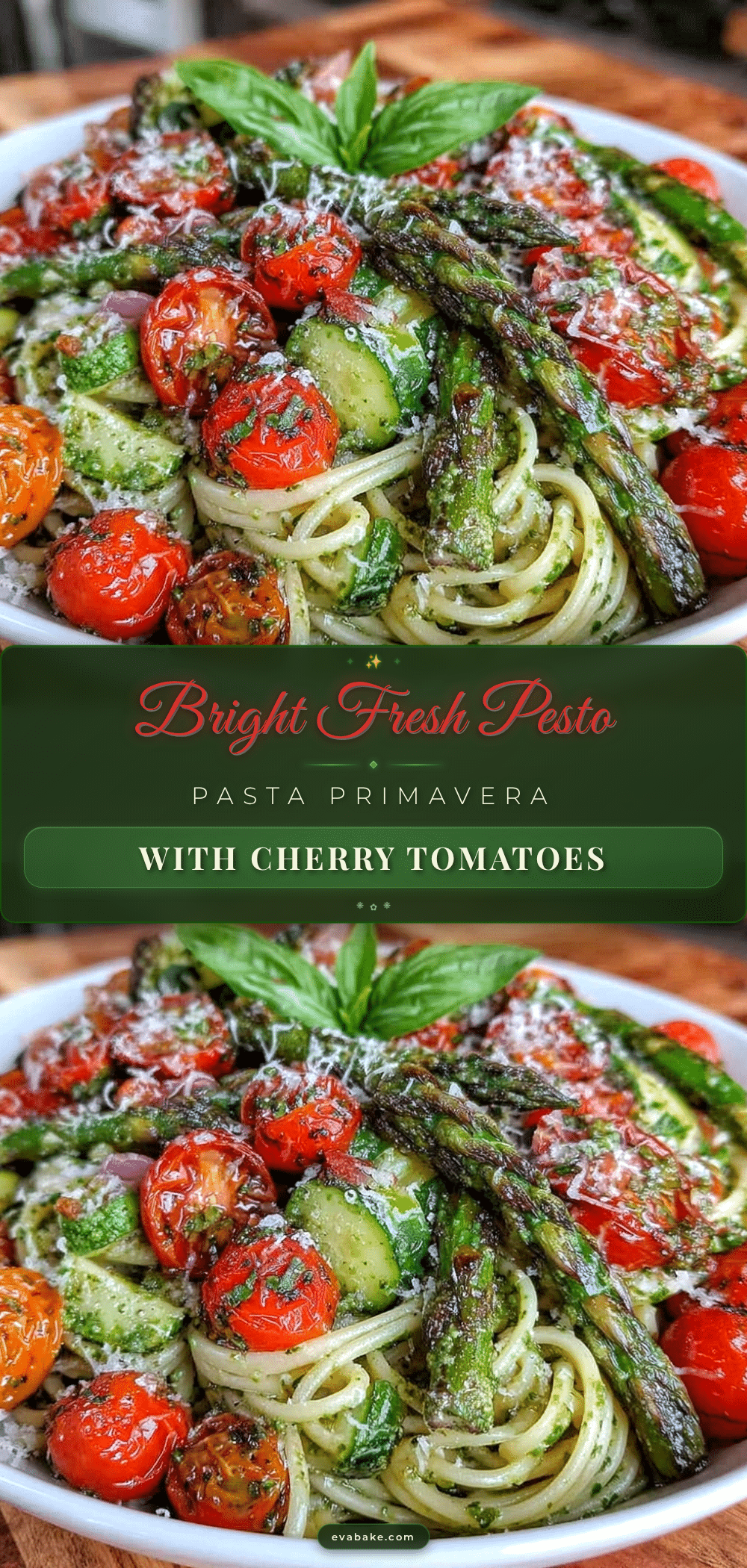
Fresh Wholesome Pesto Pasta Primavera
A quick and easy pesto pasta primavera featuring fresh garden veggies and homemade basil pesto, perfect for a healthy and satisfying meal.
- Prep Time: 10 minutes
- Cook Time: 20 minutes
- Total Time: 30 minutes
- Yield: 4 servings 1x
- Category: Main Course
- Cuisine: Italian
Ingredients
- 12 ounces (340 grams) pasta (penne, farfalle, or spaghetti)
- 2 cups packed fresh basil leaves (about 50 grams)
- 1/4 cup (30 grams) pine nuts, lightly toasted (can substitute walnuts or almonds)
- 2 cloves garlic, peeled and minced
- 1/2 cup (50 grams) freshly grated Parmesan cheese
- 1/2 cup (120 ml) extra virgin olive oil, plus 1 tablespoon for sautéing veggies
- 2 small-medium zucchini, sliced into half-moons
- 1 cup (150 grams) cherry tomatoes, halved
- 1 cup (100 grams) snap peas, trimmed
- 1 tablespoon fresh lemon juice
- Salt and freshly cracked black pepper to taste
- Optional: red pepper flakes, fresh parsley for garnish
Instructions
- Bring a large pot of salted water to a boil. Add 12 ounces (340g) of pasta and cook according to package instructions until just al dente, about 9–11 minutes. Reserve 1 cup (240 ml) of pasta water before draining. Drain pasta and set aside.
- While pasta cooks, heat a small dry skillet over medium heat. Add 1/4 cup (30g) pine nuts and toast, stirring frequently, for 3-4 minutes or until golden and fragrant. Remove from heat to cool.
- In a food processor, combine 2 cups packed fresh basil leaves, toasted pine nuts, 2 minced garlic cloves, 1/2 cup (50g) freshly grated Parmesan, and 1/2 cup (120 ml) extra virgin olive oil. Pulse until smooth but still slightly textured. Season with salt and pepper to taste.
- Heat 1 tablespoon olive oil in a large skillet over medium heat. Add 2 sliced zucchini and cook for about 3 minutes until slightly tender but still crisp. Add 1 cup halved cherry tomatoes and 1 cup snap peas, cooking for another 2-3 minutes until veggies are heated through but vibrant. Season lightly with salt and pepper.
- Add the drained pasta to the skillet with the veggies. Pour in the pesto and toss gently to coat everything evenly. If the mixture feels dry, slowly add reserved pasta water, a few tablespoons at a time, until you reach a silky consistency.
- Stir in 1 tablespoon fresh lemon juice to brighten the dish. Taste and adjust seasoning if needed. Serve immediately, garnished with extra Parmesan or fresh parsley if desired.
Notes
Do not overcook the veggies; keep them tender but crisp. Toast pine nuts for extra flavor. Reserve pasta water to adjust pesto sauce consistency. Use fresh basil for best flavor. Gluten-free pasta can be used as a substitute.
Nutrition
- Serving Size: About 1.5 cups per s
- Calories: 450
- Sugar: 7
- Sodium: 350
- Fat: 15
- Saturated Fat: 3
- Carbohydrates: 60
- Fiber: 6
- Protein: 12
Keywords: pesto pasta, primavera, garden veggies, healthy pasta, homemade pesto, quick dinner, vegetarian, gluten-free option