Introduction
There was this one chaotic Thursday evening when I barely had time to breathe, let alone cook something decent. I was juggling emails, a cranky toddler, and a fridge that looked more like a barren wasteland than a source of dinner inspiration. Honestly, I was ready to cave in and order takeout again, but something about the lingering smell of garlic and soy sauce from a previous experiment sparked a craving. I remembered a Korean beef bulgogi bowl I once had at a tiny hole-in-the-wall spot and thought, “Why not try making it myself?”
Turns out, this Korean beef bulgogi bowl recipe became my quick fix, the kind of meal that feels cozy, satisfying, and packed with flavor — without the fuss. It wasn’t some complicated, time-consuming fancy dish; in fact, it was downright easy, even for a “not really a baker” type like me. The tender, marinated beef paired with simple rice and crisp veggies hit the spot every time. I made it a few nights that week, tweaking the marinade and topping combos until it felt just right.
Now, whenever I need a meal that’s fast but tastes like I spent hours in the kitchen, this flavorful Korean beef bulgogi bowl is my go-to. It’s honest comfort food with a bit of a kick — and honestly, it’s saved more than one hectic evening. There’s something about the sweet-savory balance and the way the beef caramelizes that just pulls me back every time. I think you’ll find it hits that same sweet spot for you too.
Why You’ll Love This Recipe
After testing this Korean beef bulgogi bowl recipe multiple times (yes, more than a handful in one week), here’s why it stands out from other homemade Korean dishes I’ve tried:
- Quick & Easy: Ready in under 30 minutes, perfect for those busy weeknights when you want flavor without the wait.
- Simple Ingredients: Uses pantry staples like soy sauce, garlic, and brown sugar — no exotic shopping required.
- Perfect for Any Occasion: Whether it’s a casual family dinner or impressing friends with minimal stress, this bowl fits the bill.
- Crowd-Pleaser: My kids actually ask for it again, and grown-ups rave about the bold yet balanced flavors.
- Unbelievably Delicious: The marinade creates tender, caramelized beef that’s juicy and packed with umami — every bite feels like a mini celebration.
What makes this recipe different? Well, the magic lies in the marinade’s balance — a little sweetness from brown sugar, a touch of sesame oil for nuttiness, and fresh garlic and ginger that bring that classic Korean soul. I also like blending a bit of grated pear in the mix for natural tenderizing and subtle sweetness (a trick I picked up from a Korean friend). This isn’t just another bulgogi bowl; it’s a homemade version with thoughtful tweaks that make it sing.
It’s the kind of recipe you can lean on when you want home-cooked soul food without fuss, and honestly, it’s stuck with me because it hits that comforting yet exciting flavor spot every time. You might find yourself making it over and over too.
What Ingredients You Will Need
This recipe uses simple, wholesome ingredients to deliver bold flavor and satisfying texture without the fuss. Most of these are pantry staples, and you can easily swap or substitute to fit what you have on hand.
- For the Beef Marinade:
- 1 pound (450g) thinly sliced beef ribeye or sirloin (you can ask your butcher to slice it thin)
- 3 tablespoons soy sauce (I prefer Kikkoman for its balance)
- 2 tablespoons brown sugar (adds just the right sweetness)
- 1 tablespoon sesame oil (toasty flavor)
- 3 cloves garlic, minced (fresh is best!)
- 1 teaspoon freshly grated ginger (adds brightness)
- 2 teaspoons grated Asian pear or apple (optional, but great for tenderness)
- 1/4 teaspoon black pepper
- 1 teaspoon toasted sesame seeds (for garnish)
- For the Bowls:
- 2 cups cooked white or brown rice (jasmine or short-grain works well)
- 1 cup shredded carrots
- 1 cup thinly sliced cucumber or kimchi (for a spicy tang)
- 2 green onions, sliced
- Optional: steamed spinach or sautéed mushrooms for extra veggies
- Optional: fried egg per bowl (adds richness)
Ingredient tips: If you want a gluten-free version, just swap the soy sauce for tamari. For a lower-sugar option, reduce brown sugar or use a natural sweetener like honey. When choosing beef, look for well-marbled slices to keep the meat tender and juicy. If you can’t find Asian pear, a small grated apple or even a splash of pineapple juice can work in a pinch.
Equipment Needed
- Large mixing bowl for marinating the beef — glass or stainless steel works best to avoid any metallic taste
- Non-stick skillet or cast iron pan — a hot pan helps caramelize the beef beautifully
- Measuring spoons and cups for accuracy
- Sharp knife and cutting board for slicing vegetables and beef (unless pre-sliced)
- Rice cooker or pot to prepare rice — I personally swear by a rice cooker for perfect fluffy rice every time, but a pot works just fine too
- Optional: Grater for garlic, ginger, and pear
If you don’t have a cast iron skillet, a heavy-bottomed stainless steel pan is a great alternative. Just make sure it’s well-heated before cooking the beef for that nice sear. For budget-friendly options, basic non-stick pans will do, though you might miss out on some caramelization.
Preparation Method
- Prepare the rice: Start by cooking 2 cups of rice (about 360g uncooked) according to package instructions. This usually takes about 15-20 minutes. Fluff and keep warm. Tip: Using a rice cooker simplifies this step and ensures consistent results.
- Make the marinade: In a large bowl, combine 3 tablespoons soy sauce, 2 tablespoons brown sugar, 1 tablespoon sesame oil, minced garlic, grated ginger, grated pear, and black pepper. Stir until the sugar dissolves. This should take about 3 minutes.
- Marinate the beef: Add the thinly sliced beef to the marinade, tossing to coat every piece well. Let it sit for at least 15 minutes at room temperature — if you’re in a hurry, even 10 minutes works. For deeper flavor, marinate up to 1 hour in the fridge, but bring to room temp before cooking.
- Cook the beef: Heat a large skillet over medium-high heat until hot (about 2-3 minutes). Add the beef in a single layer, cooking in batches if needed to avoid overcrowding. Stir frequently, letting the beef caramelize and brown — about 4-5 minutes per batch. The beef should be tender and slightly sticky with a rich glaze. Note: Don’t overcook or the beef will get tough.
- Prep the veggies: While the beef cooks, slice green onions, shred carrots, and prepare cucumbers or kimchi. If using spinach or mushrooms, sauté briefly with a pinch of salt until just tender (about 3-4 minutes).
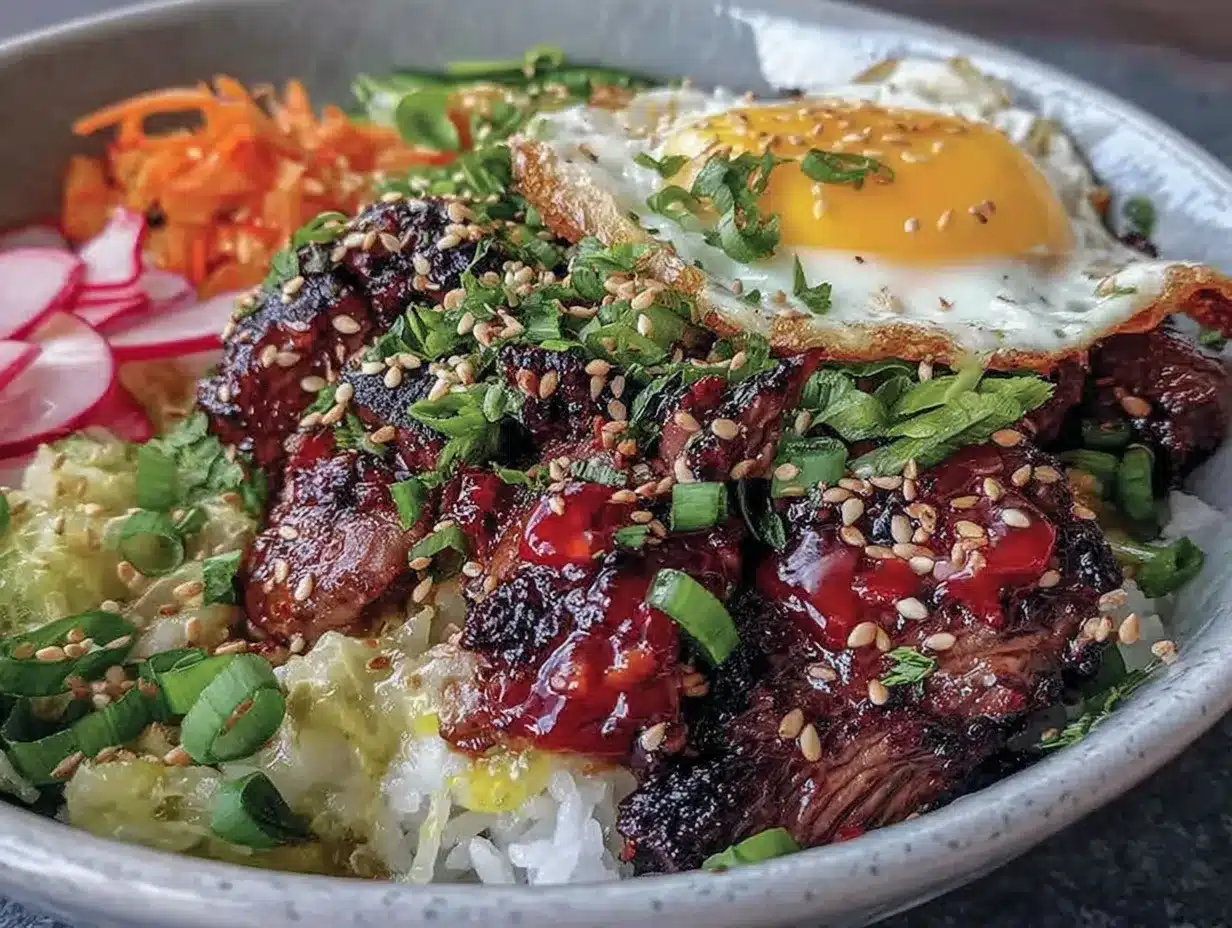
- Assemble the bowls: Divide the warm rice into four bowls. Top with a generous portion of the cooked beef, then add the shredded carrots, cucumbers or kimchi, green onions, and any other veggies. Sprinkle toasted sesame seeds on top. If you like, fry an egg sunny-side up and place it right on top for extra comfort.
Pro tip: Let the marinade soak into the beef at least a little — the flavors really build after resting. Also, cooking the beef in batches is worth the extra step; it keeps the meat from steaming and helps you get that gorgeous caramelized crust.
Cooking Tips & Techniques
Getting Korean beef bulgogi bowls right is all about the marinade and cooking technique. Here are some tips that I picked up after trial and error:
- Thin slices matter: The beef needs to be sliced thinly to cook quickly and stay tender. If your butcher can’t slice it super thin, try partially freezing the meat for 30 minutes before slicing — it firms up and’s easier to cut.
- Don’t rush the caramelization: Let the beef sit undisturbed for 30 seconds to a minute in the pan before stirring. This helps those delicious browned bits form.
- Control the heat: Medium-high heat is perfect. Too hot, and the sugar in the marinade burns; too low, and you get soggy beef. If you see smoke, reduce the heat slightly.
- Marinate just right: Too little time and the flavor won’t penetrate; too long (over 2 hours), and the texture can get mushy from the pear’s enzymes.
- Balancing flavors: Taste your marinade before adding beef. You want a good balance of sweet, salty, and umami. Adjust with more sugar or soy sauce if needed.
- Multitasking hint: While the beef marinates, prep your veggies and cook rice to save time.
Honestly, the first few times I made this, I overcooked the beef or ended up with bland sauce. But once I got the timing and heat right, it was like magic. It really is forgiving once you know the ropes.
Variations & Adaptations
This Korean beef bulgogi bowl recipe is super flexible. Here are some ways to mix it up:
- Vegetarian version: Swap beef for thinly sliced mushrooms or tofu marinated the same way. Shiitake or king oyster mushrooms work great with this marinade.
- Spicy kick: Add 1-2 teaspoons of gochujang (Korean chili paste) to the marinade for some heat. A sprinkle of red pepper flakes on top also does the trick.
- Low-carb option: Serve over cauliflower rice or spiralized zucchini noodles instead of regular rice.
- Seasonal twist: In warmer months, add fresh cucumber and radishes for crunch; in colder months, roast some sweet potatoes as a hearty base.
- Nut-free adaptation: Omit sesame oil and seeds, and use olive oil instead for marinating and cooking.
One variation I love is swapping the pear for pineapple when I’m craving a tropical note. It gives the beef a nice tang and tenderizes beautifully.
Serving & Storage Suggestions
These Korean beef bulgogi bowls are best served hot and fresh, right after assembling. The contrast of warm rice, tender beef, and crisp veggies is part of the charm. If you’re serving guests, add a fried egg on top — it’s an easy way to make the meal feel special.
Pair it with simple sides like steamed edamame, pickled radishes, or a light cucumber salad. For drinks, a cold jasmine tea or a light lager complements the flavors nicely.
To store leftovers, keep the beef and rice separate from the fresh veggies to avoid sogginess. Store in airtight containers in the refrigerator for up to 3 days. When reheating, warm the beef and rice gently in a skillet or microwave to avoid drying out.
Flavors tend to deepen after sitting for a day, so if you have leftovers, they might taste even better the next day (just add fresh veggies when serving).
Nutritional Information & Benefits
This recipe offers a balanced meal with protein from lean beef, carbs from rice, and vitamins from fresh vegetables. Here’s an approximate breakdown per serving (makes 4):
| Nutrient | Amount |
|---|---|
| Calories | 450-500 kcal |
| Protein | 30g |
| Carbohydrates | 45g |
| Fat | 15g |
| Fiber | 3-4g |
The lean beef provides essential iron and B vitamins, while garlic and ginger add antioxidants and anti-inflammatory benefits. Using brown rice boosts fiber content, though white rice is a fine option for texture. This dish can easily fit into gluten-free or low-carb diets with minor adjustments.
Conclusion
This Korean beef bulgogi bowl recipe is a solid kitchen companion when you want something flavorful, fast, and fuss-free. It’s flexible enough to suit different tastes and simple enough to become a regular in your meal rotation. I love it because it feels like a treat without the stress — a cozy, satisfying dish that doesn’t ask for much but gives a lot back.
Make it yours by swapping ingredients, adding your favorite veggies, or tweaking the spice level. And if you try it, I’d love to hear how you put your own spin on it — sharing those kitchen wins is what keeps recipes alive and exciting.
Here’s to delicious dinners made easy and full of flavor!
FAQs
What cut of beef is best for Korean beef bulgogi bowls?
Thinly sliced ribeye or sirloin works best because they’re tender and have good marbling. If you can’t find pre-sliced, partially freeze the beef and slice it thinly yourself.
Can I make the marinade ahead of time?
Absolutely! You can mix the marinade up to a day in advance. Just marinate the beef when you’re ready to cook for best texture.
Is it necessary to use Asian pear in the marinade?
It’s optional but recommended. The natural enzymes help tenderize the meat and add subtle sweetness. You can substitute with grated apple or a splash of pineapple juice.
How can I make this recipe vegetarian or vegan?
Swap the beef for mushrooms or tofu and use a vegan soy sauce. You can keep the marinade the same, just skip ingredients like sesame oil if allergic.
What’s the best way to store leftovers?
Store the beef and rice separately from fresh vegetables in airtight containers in the fridge for up to 3 days. Reheat gently to keep the beef tender.
Pin This Recipe!
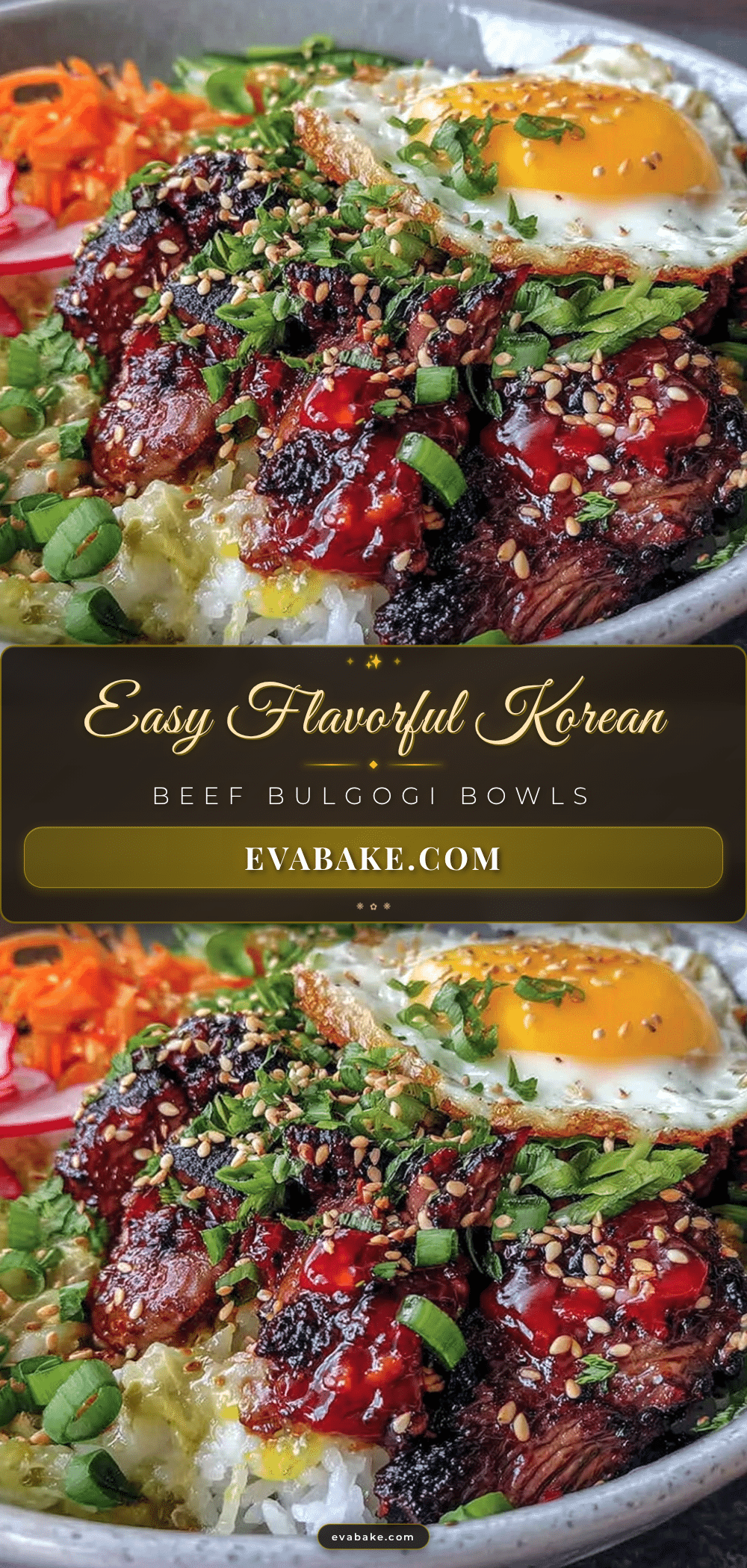
Korean Beef Bulgogi Bowls Recipe Easy Homemade Flavorful Dinner

A quick and easy Korean beef bulgogi bowl recipe featuring tender marinated beef, simple rice, and crisp veggies for a flavorful and satisfying meal perfect for busy weeknights.
- Prep Time: 10 minutes
- Cook Time: 15 minutes
- Total Time: 25 minutes
- Yield: 4 servings 1x
- Category: Main Course
- Cuisine: Korean
Ingredients
- 1 pound thinly sliced beef ribeye or sirloin
- 3 tablespoons soy sauce
- 2 tablespoons brown sugar
- 1 tablespoon sesame oil
- 3 cloves garlic, minced
- 1 teaspoon freshly grated ginger
- 2 teaspoons grated Asian pear or apple (optional)
- 1/4 teaspoon black pepper
- 1 teaspoon toasted sesame seeds (for garnish)
- 2 cups cooked white or brown rice
- 1 cup shredded carrots
- 1 cup thinly sliced cucumber or kimchi
- 2 green onions, sliced
- Optional: steamed spinach or sautéed mushrooms
- Optional: fried egg per bowl
Instructions
- Cook 2 cups of rice according to package instructions (about 15-20 minutes). Fluff and keep warm.
- In a large bowl, combine soy sauce, brown sugar, sesame oil, minced garlic, grated ginger, grated pear, and black pepper. Stir until sugar dissolves.
- Add thinly sliced beef to the marinade and toss to coat. Let sit for at least 15 minutes at room temperature or up to 1 hour in the fridge (bring to room temp before cooking).
- Heat a large skillet over medium-high heat until hot (2-3 minutes). Add beef in a single layer, cooking in batches if needed. Stir frequently and cook for 4-5 minutes per batch until caramelized and tender. Avoid overcooking.
- While beef cooks, prepare veggies: slice green onions, shred carrots, and slice cucumbers or prepare kimchi. Sauté spinach or mushrooms with a pinch of salt for 3-4 minutes if using.
- Divide warm rice into four bowls. Top with cooked beef, shredded carrots, cucumbers or kimchi, green onions, and any other veggies. Sprinkle toasted sesame seeds on top.
- Optional: Fry an egg sunny-side up and place on top of each bowl.
Notes
Marinate beef for at least 15 minutes for good flavor; up to 1 hour for deeper taste but avoid over 2 hours to prevent mushy texture. Cook beef in batches to avoid steaming and achieve caramelization. Use thinly sliced beef for tenderness. Substitute tamari for gluten-free version. Grated Asian pear or apple tenderizes beef naturally. Let marinade soak in for best flavor. Store beef and rice separately from veggies to avoid sogginess.
Nutrition
- Serving Size: 1 bowl (1/4 of recip
- Calories: 475
- Sugar: 8
- Sodium: 900
- Fat: 15
- Saturated Fat: 5
- Carbohydrates: 45
- Fiber: 3.5
- Protein: 30
Keywords: Korean beef bulgogi, bulgogi bowl, easy Korean recipe, quick dinner, marinated beef, Korean cuisine, weeknight meal