That evening, the air was crisp, and the sky was painted in soft shades of pink and orange. I had just come back from a long day at work, craving something simple but satisfying. The cedar planks were tucked away in the back of the pantry, remnants of a camping trip months ago that I never quite got around to using. Honestly, I was skeptical about grilling salmon on wood—but figured, why not give it a try? The maple glaze was a last-minute idea, inspired by the syrup bottle sitting on the counter, half-forgotten. I threw everything together, unsure if it would turn out juicy or just a sticky mess.
As the salmon sizzled on the cedar plank, the subtle smoky aroma started filling the kitchen. The glaze caramelized gently, balancing sweet with smoky in a way I hadn’t expected. When I finally took that first bite, the fish was tender and bursting with flavor—almost like a secret recipe whispered by the wood itself. It wasn’t fancy, just honest, simple ingredients coming together in a way that felt both comforting and a little bit special. That night, I realized this recipe wasn’t just about cooking fish—it was about turning an ordinary evening into something memorable. And ever since, the Perfect Cedar Plank Maple Glazed Salmon Fillets have been my go-to for easy, juicy, flavorful fish that always impresses without fuss.
Why You’ll Love This Recipe
- Quick & Easy: Ready in under 30 minutes, perfect for hectic weeknights or casual weekend dinners.
- Simple Ingredients: Uses pantry staples and fresh salmon, no fancy or hard-to-find items needed.
- Perfect for Outdoor or Indoor Cooking: Whether you’re grilling in your backyard or broiling indoors, this recipe adapts well.
- Crowd-Pleaser: The sweet maple glaze paired with smoky cedar notes is always a hit at family dinners or small gatherings.
- Unbelievably Delicious: The combination of smoky, sweet, and tender textures makes this salmon stand out from everyday grilled fish.
This isn’t just another salmon recipe. What sets it apart is the use of the cedar plank, which imparts a subtle woodsy aroma that’s hard to describe but impossible to forget. Plus, the maple glaze adds a natural sweetness that caramelizes beautifully without overpowering the fish. Over time, I tweaked the glaze balance—just enough maple syrup to create that golden crust, without making it too sticky or cloying. The result? A salmon fillet that’s juicy inside, with a gentle crisp on the outside, all wrapped up in that signature smoky flavor. Honestly, it’s the kind of dish that makes you pause, savor, and think, “Yep, this is exactly what I wanted.”
What Ingredients You Will Need
This recipe uses simple, wholesome ingredients to deliver bold flavor and satisfying texture without the fuss. Most are pantry staples, and a few fresh items bring it all together.
- Salmon Fillets: 4 skin-on fillets, about 6 oz (170 g) each, preferably wild-caught for best flavor and texture.
- Cedar Planks: 2 untreated cedar planks, soaked in water for at least 1 hour (adds that signature smoky aroma).
- Maple Syrup: 3 tablespoons pure maple syrup (look for 100% grade A for natural sweetness).
- Dijon Mustard: 1 tablespoon (adds a subtle tang that balances the sweetness).
- Garlic: 2 cloves, minced (for aromatic depth).
- Fresh Lemon Juice: 1 tablespoon (brightens the glaze and cuts through richness).
- Olive Oil: 1 tablespoon (helps with glaze texture and keeps fish moist).
- Salt and Pepper: to taste (season simply to let the salmon shine).
- Optional Fresh Herbs: Dill or parsley for garnish (adds fresh color and flavor).
Substitution tip: If you don’t have cedar planks, a soaked alder or maple plank also works well. For a gluten-free twist, just double-check your mustard brand. And if you prefer a less sweet glaze, reduce the maple syrup by a tablespoon.
Equipment Needed
- Grill (gas or charcoal) or oven with broiler setting
- Food-safe cedar planks (ensure they’re untreated and soaked for at least 1 hour to avoid burning)
- Small mixing bowl for glaze
- Basting brush or spoon to apply glaze
- Tongs or spatula for handling salmon
- Meat thermometer (optional but handy for perfect doneness)
If you don’t have a grill, your oven’s broiler works just fine—just keep a close eye to avoid overcooking. I’ve tried cedar planks from different brands; some burn faster than others, so soaking time and thickness matter. For budget-friendly options, you can find cedar planks online or in specialty stores. Just remember: soaking is key to prevent flare-ups and to release that smoky aroma slowly.
Preparation Method
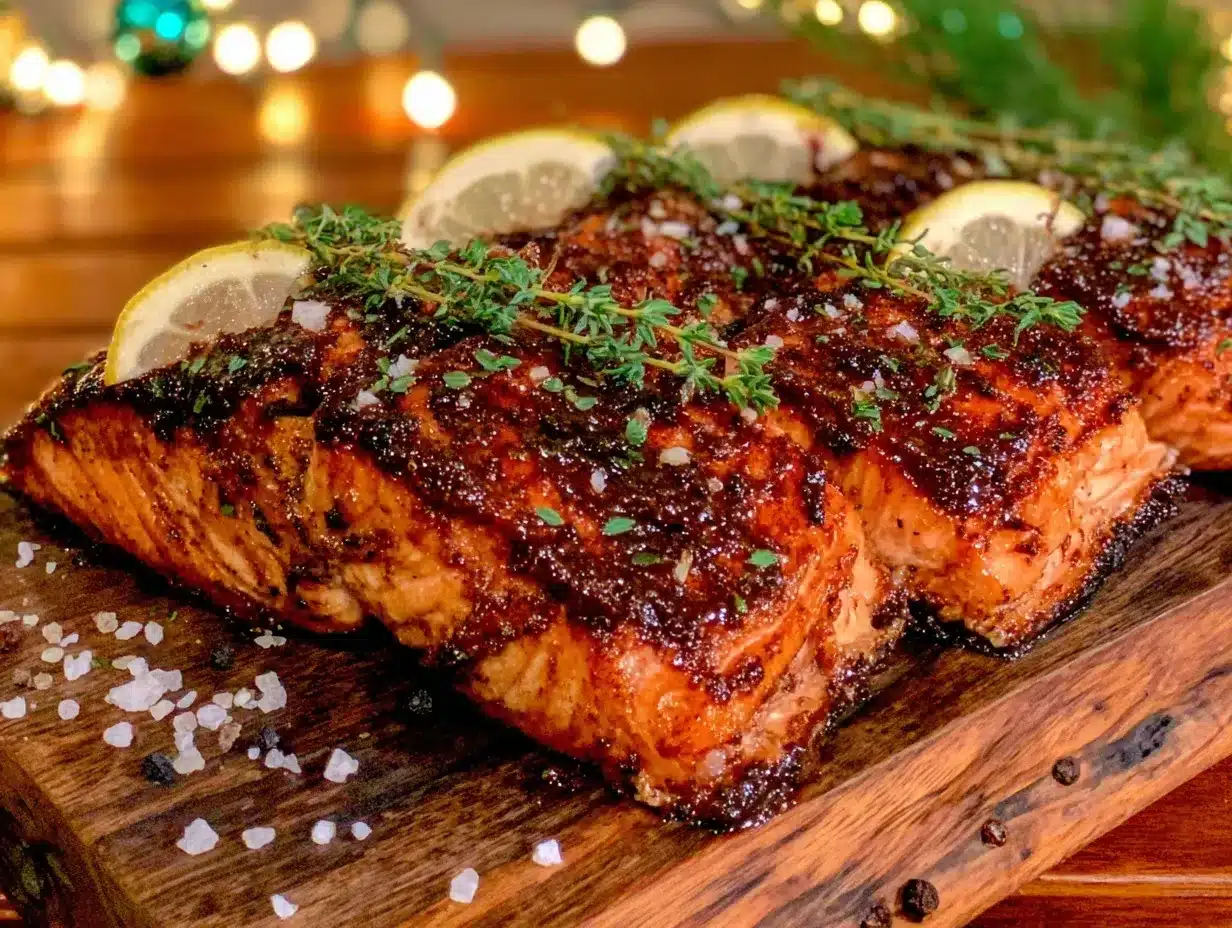
- Soak the Cedar Planks: Place the cedar planks in cold water for at least 1 hour before cooking. This prevents them from catching fire and allows them to gently smoke the salmon. (If short on time, soak in hot water for 30 minutes, but longer is better.)
- Prepare the Glaze: In a small bowl, whisk together 3 tablespoons pure maple syrup, 1 tablespoon Dijon mustard, minced garlic, olive oil, and fresh lemon juice. Add a pinch of salt and pepper. This glaze should be smooth and slightly runny for easy brushing.
- Preheat the Grill or Broiler: Heat your grill to medium-high (about 375-400°F / 190-204°C). If using an oven, set the broiler to high and position the rack about 6 inches (15 cm) from the heat source.
- Prepare the Salmon: Pat the salmon fillets dry with paper towels. Season lightly with salt and pepper. Place the soaked cedar plank on the grill or baking sheet if using the oven.
- Place Salmon on Planks: Arrange the salmon fillets skin-side down on the cedar planks. Brush a generous layer of the maple glaze over the top of each fillet. Keep some glaze aside for basting during cooking.
- Cook the Salmon: Close the grill lid or oven broiler. Cook for 12-15 minutes, depending on thickness (6-8 minutes per side if flipping). Baste once halfway through with remaining glaze. The salmon should flake easily with a fork but still be moist inside.
- Check Doneness: If using a meat thermometer, aim for an internal temperature of 125-130°F (52-54°C) for medium doneness. Overcooked salmon can get dry, so watch closely in the last few minutes.
- Rest and Serve: Remove the cedar plank from heat and let the salmon rest for 3-5 minutes. Garnish with fresh dill or parsley and a squeeze of lemon if desired.
Pro tip: If you notice flare-ups on the grill, move the plank to a cooler spot or lower the heat slightly. And don’t skip resting—the salmon firms up a bit and the flavors settle nicely.
Cooking Tips & Techniques
Cooking salmon on cedar planks may seem tricky at first, but once you get the hang of it, it’s incredibly rewarding. One mistake I made early on was not soaking the planks long enough—never again. That smoky aroma is subtle but essential, and dry planks burn too quickly, ruining the flavor.
Another tip: don’t over-glaze. Too much maple syrup can cause flare-ups or a burnt taste. A thin, even coat is all you need to get that caramelized finish. When it comes to timing, thicker fillets will need a bit longer, but watch closely—you want the fish to stay juicy.
For indoor cooking, using the broiler mimics the grill’s high heat, but keep the oven door slightly open to avoid smoke buildup. Also, flipping the salmon isn’t necessary if you use cedar planks—the skin side down cooks nicely, and the plank prevents direct flames from hitting the fish.
Lastly, always let the salmon rest after cooking. It might be tempting to dig in right away, but resting helps redistribute the juices, making every bite tender and flavorful.
Variations & Adaptations
- Spicy Maple Glaze: Add ½ teaspoon cayenne pepper or smoked paprika to the glaze for a gentle kick.
- Herb-Infused: Mix chopped fresh thyme or rosemary into the glaze for an earthy twist.
- Gluten-Free: Ensure Dijon mustard is gluten-free (many are) and use pure maple syrup—this recipe is naturally gluten-free.
- Low-Sugar Option: Reduce maple syrup to 2 tablespoons and add a splash of balsamic vinegar to balance sweetness.
- Alternative Cooking Method: If you don’t have cedar planks, try wrapping the salmon loosely in foil with a slice of lemon and a sprig of dill for a similar steamed effect.
Personally, I once tried adding a splash of soy sauce to the glaze for an umami boost—it was unexpected but surprisingly good. Play around with flavors to find what suits your taste best!
Serving & Storage Suggestions
Serve the salmon warm straight off the plank, accompanied by simple sides like roasted asparagus, wild rice, or a crisp green salad. A light white wine or sparkling water with lemon pairs beautifully.
If you have leftovers, store them tightly wrapped in the fridge for up to 2 days. Reheat gently in a low oven (300°F / 150°C) covered with foil to avoid drying out. The smoky maple flavor actually deepens a bit after resting overnight, so don’t be shy about enjoying it the next day.
For longer storage, you can freeze cooked salmon wrapped well in plastic wrap and foil for up to 3 months. Thaw slowly in the fridge before reheating.
Nutritional Information & Benefits
Each serving of cedar plank maple glazed salmon offers roughly 350-400 calories, with about 25 grams of protein and healthy omega-3 fatty acids that support heart and brain health. Salmon is a nutrient powerhouse loaded with vitamin D, B vitamins, and minerals like selenium.
The maple syrup adds natural sweetness without refined sugars, and using olive oil introduces beneficial monounsaturated fats. This recipe is naturally gluten-free and low in carbs, making it a great option for balanced, wholesome meals.
From a wellness perspective, cooking salmon on cedar planks means less need for heavy sauces or butter—the smoky flavor does the work, keeping it clean and satisfying.
Conclusion
The Perfect Cedar Plank Maple Glazed Salmon Fillets are my little secret to quick, impressive meals that don’t feel rushed or complicated. The balance of smoky wood aroma and sweet maple glaze creates a juicy, flavorful fish that’s always a crowd favorite. What I love most is how easy it is to make, yet it delivers that special something you don’t get from ordinary grilled salmon.
Feel free to tweak the glaze or herbs to match your mood or season. It’s a recipe that welcomes creativity but never demands it—perfect for cooks who want tasty results without fuss. Give it a try, and I’m confident it’ll become a favorite in your home too. If you do, I’d love to hear how you made it your own!
FAQs
Can I use cedar planks more than once?
It’s best to use cedar planks once for safety and flavor. After grilling, they tend to be brittle and can harbor bacteria. Consider them a single-use item.
What if I don’t have a grill or broiler?
You can bake the salmon on a soaked cedar plank in a preheated oven at 375°F (190°C) for about 15-20 minutes, but the smoky flavor will be less pronounced.
How do I know when the salmon is done?
The salmon should flake easily with a fork and have an internal temperature of 125-130°F (52-54°C) for medium doneness. Avoid overcooking to keep it juicy.
Can I use frozen salmon for this recipe?
Yes, but thaw it completely and pat dry before cooking to ensure even cooking and proper glaze adhesion.
What can I substitute for maple syrup?
Honey or agave nectar can work as alternatives, but maple syrup gives the best flavor and caramelization for this recipe.
Pin This Recipe!
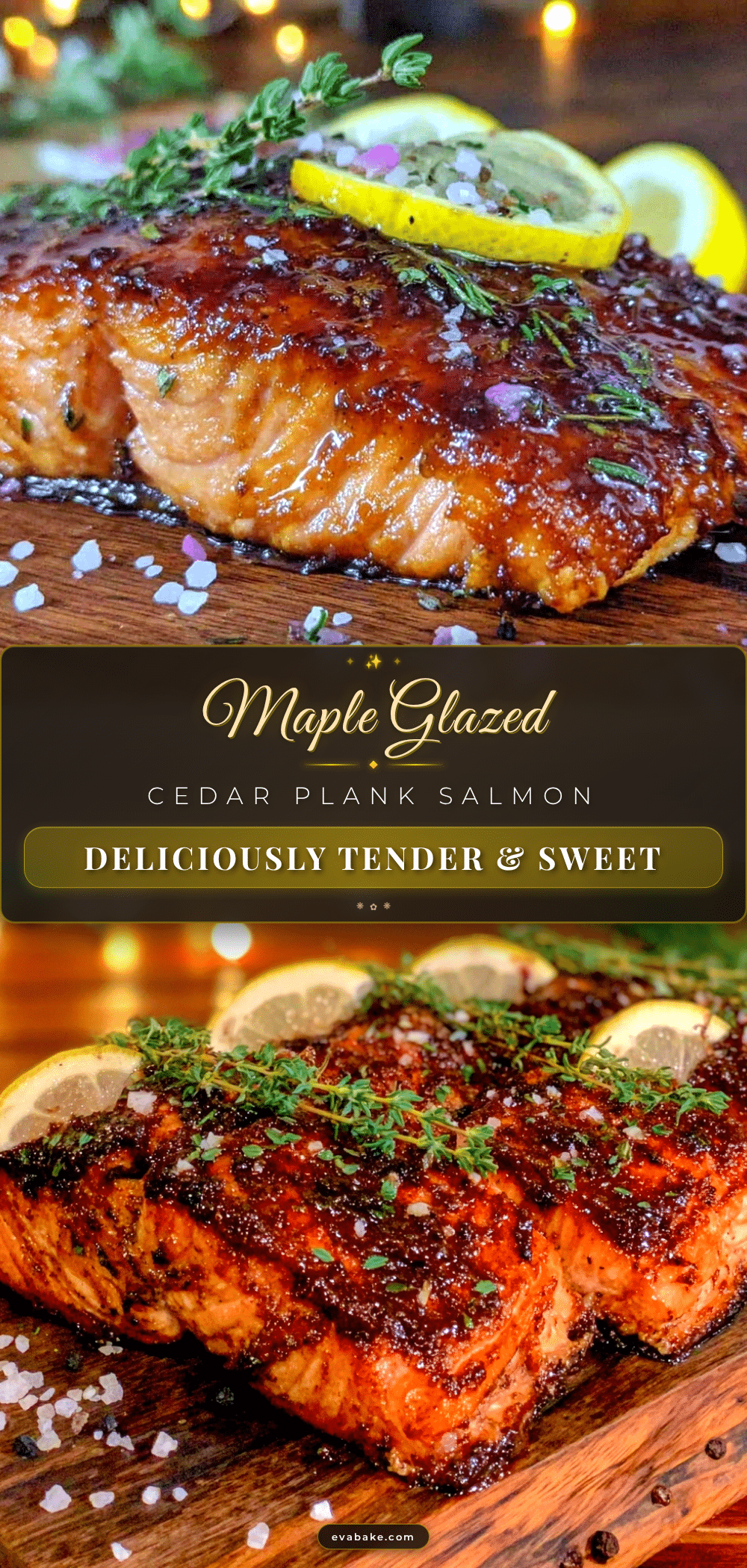
Perfect Cedar Plank Maple Glazed Salmon Fillets

A quick and easy recipe for juicy, flavorful salmon fillets cooked on cedar planks with a sweet maple glaze that caramelizes beautifully, delivering a smoky and tender fish perfect for any occasion.
- Prep Time: 1 hour 15 minutes
- Cook Time: 15 minutes
- Total Time: 1 hour 30 minutes
- Yield: 4 servings 1x
- Category: Main Course
- Cuisine: American
Ingredients
- 4 skin-on salmon fillets, about 6 oz (170 g) each, preferably wild-caught
- 2 untreated cedar planks, soaked in water for at least 1 hour
- 3 tablespoons pure maple syrup (100% grade A)
- 1 tablespoon Dijon mustard
- 2 cloves garlic, minced
- 1 tablespoon fresh lemon juice
- 1 tablespoon olive oil
- Salt and pepper to taste
- Optional fresh herbs (dill or parsley) for garnish
Instructions
- Soak the cedar planks in cold water for at least 1 hour before cooking to prevent burning and allow gentle smoking. If short on time, soak in hot water for 30 minutes.
- In a small bowl, whisk together maple syrup, Dijon mustard, minced garlic, olive oil, fresh lemon juice, salt, and pepper until smooth and slightly runny.
- Preheat grill to medium-high heat (375-400°F) or set oven broiler to high with rack about 6 inches from heat source.
- Pat salmon fillets dry with paper towels and season lightly with salt and pepper.
- Place soaked cedar plank on grill or baking sheet if using oven. Arrange salmon fillets skin-side down on the plank.
- Brush a generous layer of maple glaze over the top of each fillet, reserving some glaze for basting.
- Close grill lid or oven broiler and cook salmon for 12-15 minutes, basting once halfway through with remaining glaze. If flipping, cook 6-8 minutes per side.
- Check doneness with a meat thermometer aiming for 125-130°F internal temperature or until salmon flakes easily but remains moist.
- Remove cedar plank from heat and let salmon rest for 3-5 minutes.
- Garnish with fresh dill or parsley and a squeeze of lemon if desired before serving.
Notes
Soaking cedar planks for at least 1 hour is essential to prevent burning and to impart a subtle smoky aroma. Avoid over-glazing to prevent flare-ups. If using an oven broiler, keep the door slightly open to avoid smoke buildup. Let salmon rest after cooking to redistribute juices. Cedar planks are best used once for safety and flavor.
Nutrition
- Serving Size: 1 salmon fillet (6 o
- Calories: 375
- Sugar: 7
- Sodium: 150
- Fat: 22
- Saturated Fat: 3
- Carbohydrates: 8
- Protein: 25
Keywords: cedar plank salmon, maple glazed salmon, grilled salmon, easy salmon recipe, healthy salmon, smoky salmon, quick dinner, seafood recipe