It was one of those rare quiet evenings when the kitchen felt more like a sanctuary than a chore zone. I had picked up a few filet mignon steaks on a whim during a grocery run, mostly because they looked too good to pass up—but honestly, I wasn’t sure what to do with them. Filet mignon has a reputation, you know? It can intimidate, or worse, end up dry and disappointing if you overthink it. I remember standing there, staring at those thick, tender cuts, wondering if I’d mess this up.
Then, almost accidentally, I started experimenting. I had red wine open from dinner earlier in the week, and instead of letting it go to waste, I tossed it in a pan with some shallots and herbs. What came out was this silky, savory red wine reduction that clung perfectly to the meat. The whole thing was surprisingly simple, but the flavors were anything but basic. That night, the filet mignon wasn’t just dinner—it was a moment of calm and satisfaction after a hectic day. Since then, I’ve made this recipe a handful of times a month, and every time it’s met with the same quiet awe from anyone lucky enough to taste it.
What I didn’t expect was how this easy red wine reduction would turn a seemingly fancy steak into something approachable, comforting, and reliably delicious. No frills, no fuss, just good ingredients and a little patience. It’s the kind of meal that makes you pause and realize sometimes the best dishes are the ones you almost stumble into. That’s why this perfect filet mignon with savory red wine reduction stuck with me—and why I think you’ll want to try it too.
Why You’ll Love This Recipe
- Quick & Easy: Ready in about 30 minutes, this recipe fits perfectly into busy weeknights or last-minute dinner plans without feeling rushed.
- Simple Ingredients: You don’t need anything exotic—just quality filet mignon, a good bottle of red wine, and some basic aromatics you likely have on hand.
- Perfect for Special Occasions: Whether it’s a date night, a celebratory meal, or just because, this recipe brings that restaurant-quality feel straight to your kitchen.
- Crowd-Pleaser: Even steak skeptics have been won over by the tenderness of the filet and the rich, flavorful sauce.
- Unbelievably Delicious: The red wine reduction adds depth and a touch of elegance, balancing the buttery texture of the filet with savory complexity.
- Distinct Technique: Unlike other steak recipes, this one uses a pan-searing method followed by a quick oven finish, locking in juices and creating a perfect crust every time.
- Emotionally Satisfying: It’s the kind of meal that feels both indulgent and comforting, the kind you’ll want to make when you need a little culinary reset.
What Ingredients You Will Need
This recipe relies on straightforward, quality ingredients to bring out the best in the filet mignon and the red wine reduction. Most are pantry staples or easy to find, making this dish accessible yet impressive.
- Filet Mignon Steaks: 2 (6-8 oz / 170-225 g each), about 1.5-2 inches thick (look for well-marbled, fresh cuts from a trusted butcher)
- Salt and Freshly Ground Black Pepper: To season the steaks generously before cooking
- Olive Oil: 2 tablespoons (for searing; a good-quality extra virgin olive oil works well)
- Unsalted Butter: 2 tablespoons (adds richness and helps with basting)
- Shallots: 2 small, finely minced (for a subtle sweetness in the sauce)
- Garlic: 2 cloves, minced (for savory depth)
- Dry Red Wine: 1 cup (240 ml) (I usually pick a Cabernet Sauvignon or Merlot for bold flavor, but use what you enjoy drinking)
- Beef Stock or Broth: 1/2 cup (120 ml) (adds body to the reduction; homemade or store-bought both work)
- Fresh Thyme: 2-3 sprigs (or 1/2 teaspoon dried thyme) (gives an earthy, aromatic note)
- Fresh Rosemary: 1 sprig (optional, for an extra herbal layer)
- Salt and Pepper: To taste, for seasoning the sauce
Substitution tips: If you prefer a gluten-free option, just ensure your beef stock is gluten-free. For dairy-free, swap butter with a neutral oil like avocado oil. If red wine isn’t your thing, a robust grape juice with a splash of vinegar can mimic acidity, but the flavor won’t be quite the same.
Equipment Needed
- Heavy-Bottomed Skillet or Cast-Iron Pan: Essential for getting that beautiful sear on the filet mignon. Cast iron is my go-to because it retains heat evenly.
- Oven-Safe Pan or Baking Sheet: For finishing the steaks in the oven after searing.
- Tongs: To flip and handle steaks without piercing the meat (which would let precious juices escape).
- Small Saucepan or Same Skillet: For making the red wine reduction. I usually use the same skillet to keep the fond (the browned bits) for extra flavor.
- Fine Mesh Strainer (Optional): For a silky smooth sauce, but I often skip this step to keep a bit of rustic texture.
If you don’t have cast iron, a stainless steel pan will do, just make sure it’s heavy and can hold high heat. For budget-friendly options, a thick non-stick skillet can work, though the sear won’t be quite as intense. Keeping your tools well-seasoned and clean makes a big difference in results.
Preparation Method
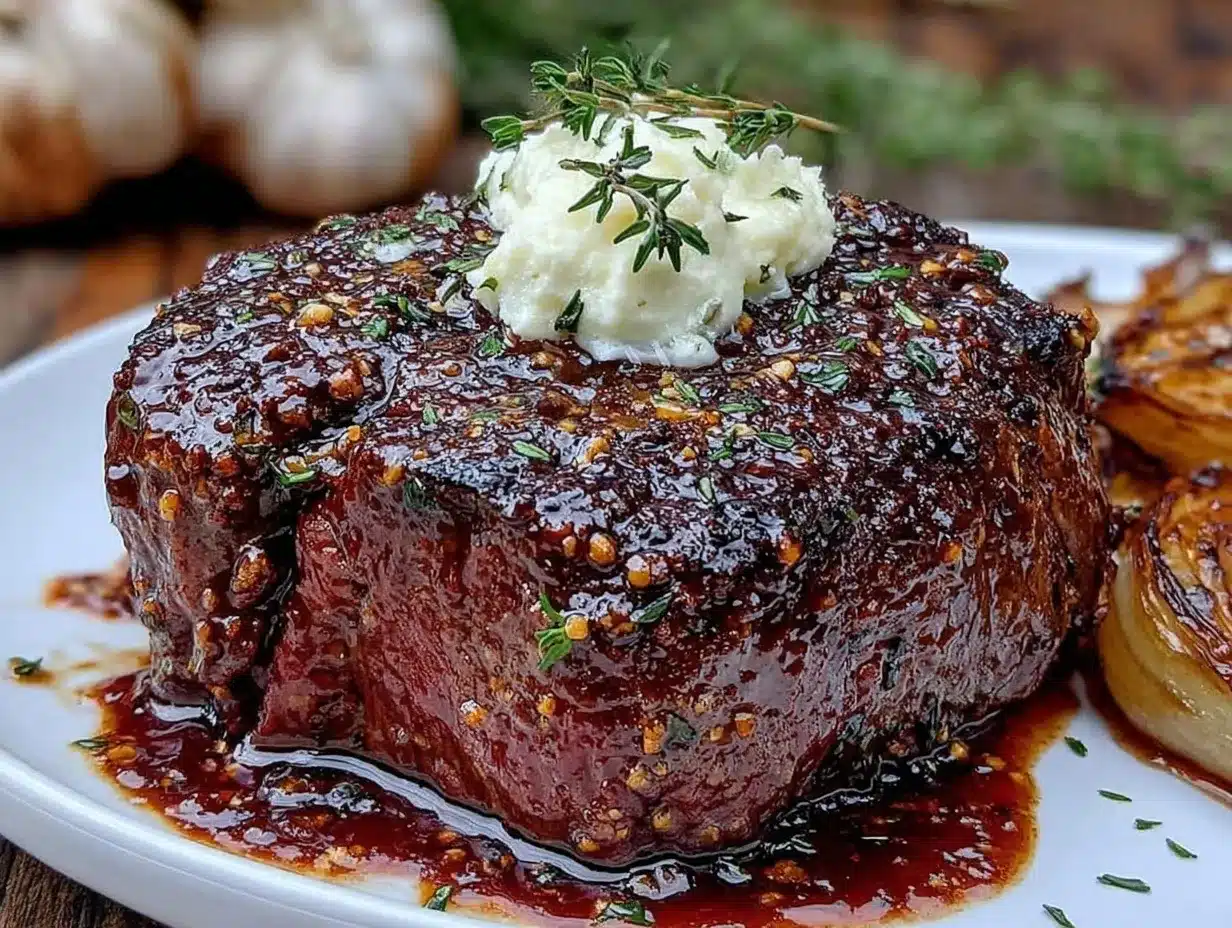
- Bring Steaks to Room Temperature (15-20 minutes): Take your filet mignon out of the fridge and let them sit on the counter. This helps them cook evenly, so the inside isn’t cold while the outside sears.
- Preheat Oven to 400°F (200°C): Get your oven ready to finish the steaks after searing.
- Season the Steaks: Pat steaks dry with paper towels, then liberally season both sides with salt and freshly ground black pepper. Don’t be shy here—seasoning is key.
- Heat Skillet and Sear: Place your cast iron pan over medium-high heat and add olive oil. When it’s shimmering (but not smoking), add the steaks. Sear without moving for about 3-4 minutes until a deep, golden crust forms. Flip and sear the other side for another 3 minutes.
- Add Butter and Aromatics: Toss in butter, minced garlic, and shallots around the steaks. Tilt the pan slightly and spoon the melted butter over the steaks repeatedly for about 1-2 minutes. This basting locks in flavor and moisture.
- Transfer to Oven: Move the skillet or transfer steaks to an oven-safe dish. Roast for 5-7 minutes for medium-rare (internal temp around 130°F / 54°C). Use a meat thermometer if you have one—trust me, it makes all the difference.
- Rest the Steaks: Remove from oven and let rest on a plate loosely covered with foil for 5-10 minutes. This allows juices to redistribute so the meat stays tender and juicy.
- Make the Red Wine Reduction: While steaks rest, wipe out the skillet if needed, then add minced shallots and garlic over medium heat. Sauté until translucent and fragrant (about 2 minutes). Pour in the red wine, scraping up any brown bits stuck to the pan. Add beef stock, thyme, and rosemary. Let simmer gently until the liquid reduces by half and thickens to a glossy sauce (around 10-12 minutes). Taste and adjust seasoning with salt and pepper.
- Serve: Spoon the warm red wine reduction over the rested filet mignon and garnish with fresh thyme if desired.
Cooking Tips & Techniques
Searing is everything here. I learned the hard way that if your pan isn’t hot enough, you’ll end up steaming the steak—not searing it. So, patience while heating the skillet pays off big time. Also, never overcrowd the pan. If you’re cooking multiple filets, do them in batches to keep the heat consistent.
Another tip: don’t skip resting. Cutting into the steak too soon is a classic mistake that leads to dry meat on the plate. Letting it rest feels like forever when you’re hungry, but that short wait keeps the juices locked in.
When making the red wine reduction, low and slow is the way. Boiling aggressively can make the sauce bitter. Keep it at a gentle simmer and stir occasionally. Also, scraping the pan bits into the sauce is key for that deep flavor—don’t rinse your pan between searing and sauce-making!
Last, use a good quality red wine you’d enjoy drinking. The sauce concentrates the flavors, so a decent bottle makes a noticeable difference.
Variations & Adaptations
- Garlic Herb Butter Twist: Add a dollop of garlic herb butter on top of the steak instead of the red wine sauce for a creamy, rich option.
- Mushroom Red Wine Sauce: Sauté sliced cremini or shiitake mushrooms with the shallots for a heartier, earthier sauce.
- Low-Carb Option: Serve the filet mignon with a side of roasted vegetables or cauliflower mash instead of traditional potatoes to keep it light.
- Dairy-Free Version: Replace butter with olive oil or avocado oil for searing and basting; swap beef stock for vegetable stock in the sauce.
- Spicy Kick: Add a pinch of red pepper flakes to the wine reduction for a subtle warmth that contrasts beautifully with the savory sauce.
Once, I tried finishing the steaks on a grill after searing—added a lovely smoky note, but I prefer the oven finish for consistent doneness. Feel free to experiment with what fits your mood and kitchen setup.
Serving & Storage Suggestions
Serve the filet mignon warm, immediately after resting and saucing. Presentation-wise, slice the steak against the grain for the most tender bites. A sprinkle of fresh thyme or cracked pepper on top adds a nice final touch.
This steak pairs beautifully with creamy mashed potatoes, roasted asparagus, or a simple green salad dressed with lemon vinaigrette. For drinks, a glass of the same red wine used in the sauce creates a harmonious experience.
Leftovers can be stored in an airtight container in the refrigerator for up to 2 days. Reheat gently in a low oven (about 250°F / 120°C) wrapped in foil to avoid drying out. The sauce can be reheated separately on the stove, adding a splash of broth or water if it thickens too much. Flavors deepen slightly after resting in the fridge, so sometimes leftovers taste even better the next day.
Nutritional Information & Benefits
A 6-ounce (170 g) serving of filet mignon provides roughly 350-400 calories, depending on fat content, with about 40-45 grams of protein. It’s a rich source of iron, zinc, and B vitamins, supporting muscle health and energy metabolism. The red wine reduction adds minimal calories but delivers antioxidants from the wine and fresh herbs.
This recipe fits well into a balanced diet, especially if paired with nutrient-dense sides. For those watching carbs, the steak and sauce are naturally low-carb and gluten-free. Be mindful of sodium if using store-bought beef stock, and consider low-sodium options if needed.
Conclusion
This perfect filet mignon with savory red wine reduction is more than just a recipe—it’s a reliable way to bring a bit of elegance and comfort to your table without stress. The simple techniques and accessible ingredients make it approachable, yet the flavors are indulgent enough to impress.
Whether you’re feeding one or two, or want a special dish for guests, this recipe is adaptable and forgiving, giving you room to make it your own. I love how it turns an ordinary evening into something to savor, and I hope it finds a place in your kitchen too.
Give it a try, tweak it as you like, and don’t forget to share how it goes—sometimes the best tweaks come from friends and fellow cooks who’ve been there. Here’s to many delicious dinners ahead.
FAQs
How do I know when filet mignon is cooked perfectly?
The best way is to use a meat thermometer. For medium-rare, aim for an internal temperature of 130°F (54°C). Remember to let the meat rest, as it will continue to cook slightly after being removed from heat.
Can I make the red wine reduction ahead of time?
Yes, you can make the sauce a day ahead and reheat it gently on the stove. Just add a splash of broth or water if it becomes too thick.
What if I don’t have red wine on hand?
You can substitute with grape juice plus a teaspoon of vinegar for acidity, but the flavor won’t be as rich. Alternatively, skip the reduction and serve with a simple garlic herb butter.
Is filet mignon suitable for grilling?
Absolutely! You can sear the steaks on the grill and finish them over indirect heat. Just watch the temperature closely to avoid overcooking.
How should I store leftover filet mignon?
Store it in an airtight container in the fridge for up to 2 days. Reheat gently in a low oven wrapped in foil to keep it tender and juicy.
Pin This Recipe!
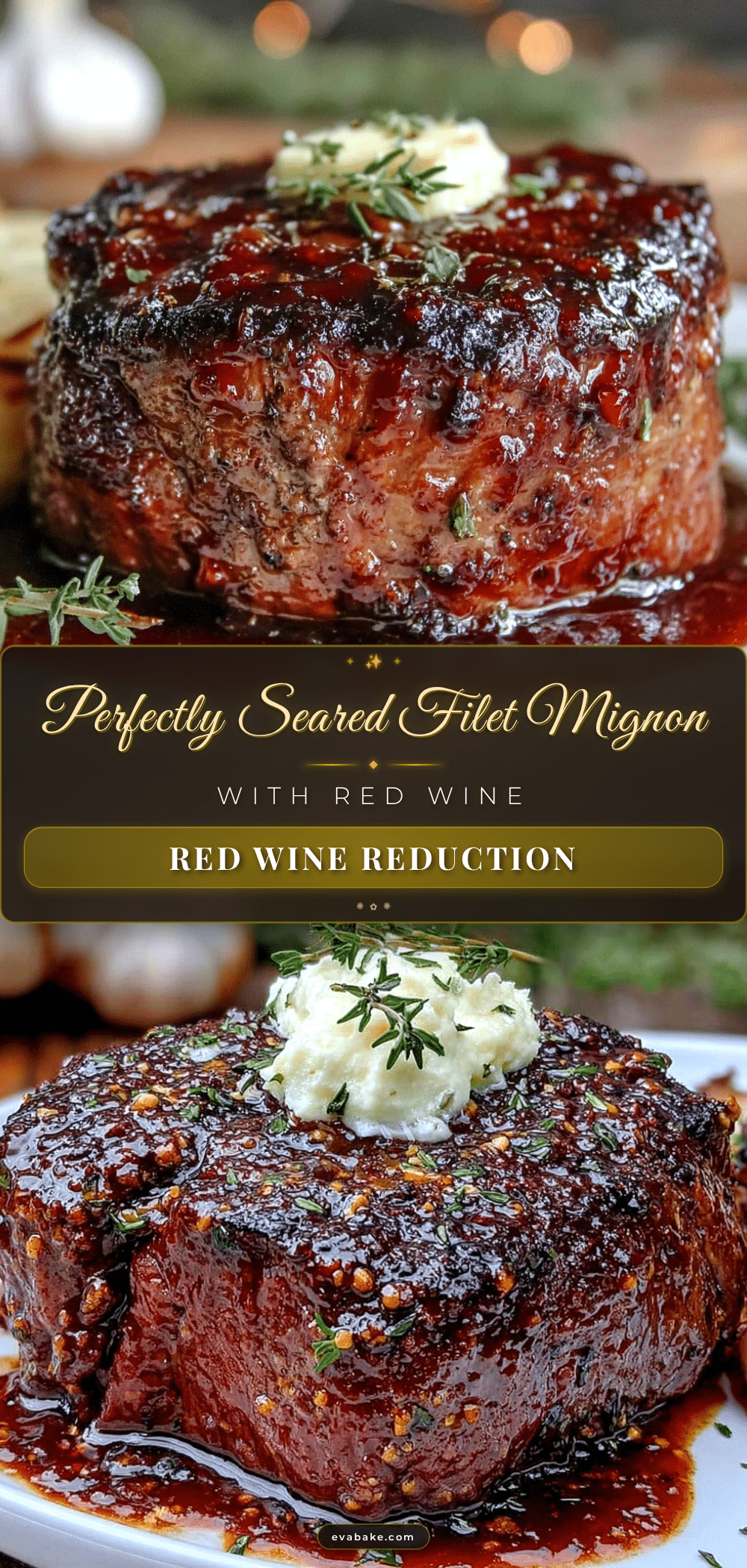
Perfect Filet Mignon Recipe with Easy Savory Red Wine Reduction
A simple yet elegant recipe for perfectly seared filet mignon steaks finished with a silky, savory red wine reduction sauce. Ideal for special occasions or a comforting weeknight meal.
- Prep Time: 20 minutes
- Cook Time: 15 minutes
- Total Time: 35 minutes
- Yield: 2 servings 1x
- Category: Main Course
- Cuisine: American
Ingredients
- 2 filet mignon steaks (6–8 oz / 170–225 g each), about 1.5-2 inches thick
- Salt and freshly ground black pepper, to season
- 2 tablespoons olive oil
- 2 tablespoons unsalted butter
- 2 small shallots, finely minced
- 2 cloves garlic, minced
- 1 cup dry red wine (240 ml)
- 1/2 cup beef stock or broth (120 ml)
- 2–3 sprigs fresh thyme or 1/2 teaspoon dried thyme
- 1 sprig fresh rosemary (optional)
- Salt and pepper, to taste
Instructions
- Bring steaks to room temperature by letting them sit on the counter for 15-20 minutes.
- Preheat oven to 400°F (200°C).
- Pat steaks dry with paper towels and season both sides generously with salt and freshly ground black pepper.
- Heat a heavy-bottomed skillet or cast-iron pan over medium-high heat and add olive oil. When shimmering, add steaks and sear without moving for 3-4 minutes until a deep golden crust forms. Flip and sear the other side for 3 minutes.
- Add butter, minced garlic, and shallots around the steaks. Tilt the pan and spoon melted butter over the steaks repeatedly for 1-2 minutes to baste.
- Transfer the skillet or steaks to an oven-safe dish and roast in the oven for 5-7 minutes for medium-rare (internal temp ~130°F / 54°C).
- Remove steaks from oven and let rest loosely covered with foil for 5-10 minutes.
- While steaks rest, wipe out the skillet if needed. Add minced shallots and garlic over medium heat and sauté until translucent (about 2 minutes).
- Pour in red wine, scraping up brown bits from the pan. Add beef stock, thyme, and rosemary. Simmer gently until reduced by half and thickened (10-12 minutes). Season with salt and pepper to taste.
- Serve the filet mignon topped with the warm red wine reduction and garnish with fresh thyme if desired.
Notes
Use a meat thermometer to check for medium-rare doneness at 130°F (54°C). Let steaks rest after cooking to keep them juicy. Use a good quality red wine you enjoy drinking for best flavor. Avoid boiling the sauce aggressively to prevent bitterness. If you prefer dairy-free, substitute butter with avocado or olive oil and use vegetable stock instead of beef stock.
Nutrition
- Serving Size: 1 filet mignon steak
- Calories: 375
- Sugar: 1
- Sodium: 350
- Fat: 28
- Saturated Fat: 12
- Carbohydrates: 4
- Fiber: 0.5
- Protein: 42
Keywords: filet mignon, steak recipe, red wine reduction, pan-seared steak, easy steak recipe, special occasion dinner, savory sauce