Introduction
“You’ve gotta try my Pad Thai,” my coworker insisted one hectic afternoon, sliding a takeout box across the table. I was skeptical—Thai food always felt like a restaurant-only affair, a culinary puzzle with mysterious sauces and ingredients. But that day, the tangy, sweet, and slightly spicy flavors of her shrimp Pad Thai hit me like a revelation. The perfect balance of crunchy peanuts, tender noodles, and those plump shrimp had me hooked from the first bite. I never imagined I could recreate that magic at home.
Honestly, the first time I whipped up this flavorful Pad Thai with shrimp, it was a last-minute dinner rescue after a day that refused to quit. No fancy equipment, no exotic ingredients, just a few pantry staples and a bit of confidence. The whole thing came together in under 30 minutes, and I couldn’t believe the restaurant-quality taste. Since then, it’s been on repeat—sometimes twice a week—and I’ve tweaked it just enough to make it my own.
There’s something quietly satisfying about mastering a dish that once felt out of reach. This recipe stuck with me because it’s not just Pad Thai; it’s a reminder that with simple ingredients and a little know-how, you can bring bold, authentic flavors right to your kitchen. No fuss, no stress, just a bowl full of something truly comforting that feels like a small celebration every time.
Why You’ll Love This Recipe
After making this flavorful Pad Thai with shrimp more times than I can count, I’m confident it’s one of the easiest and most satisfying weeknight meals you can try. Here’s why it has such a special spot in my recipe lineup:
- Quick & Easy: Ready in about 25 minutes, it’s perfect for those busy evenings when you want something tasty but don’t have hours to spend in the kitchen.
- Simple Ingredients: Most of what you need is probably hanging out in your pantry or fridge already—rice noodles, shrimp, eggs, and a handful of fresh veggies.
- Perfect for Any Occasion: Whether you’re serving it as a cozy dinner for yourself or impressing friends at a casual gathering, this dish fits right in.
- Crowd-Pleaser: The combination of textures and flavors always gets nods of approval, from picky eaters to adventurous food lovers.
- Unbelievably Delicious: The sauce hits that sweet, sour, salty, and umami spot just right, making every bite feel like a little flavor party.
What sets this recipe apart? It’s the perfectly balanced homemade sauce that’s tangy but not overpowering, and the way the noodles stay tender without turning mushy. Also, I toss in a pinch of crushed red pepper to give it a gentle kick that wakes up your taste buds without stealing the show.
Honestly, this Pad Thai is the kind of recipe that makes you close your eyes and savor every bite. It’s comfort food with personality—a little bit fresh, a little bit nostalgic, and totally satisfying. If you love dishes like lemon garlic shrimp with asparagus, this will be your new go-to for quick, flavorful meals.
What Ingredients You Will Need
This flavorful Pad Thai with shrimp recipe uses straightforward, wholesome ingredients that come together to create a perfect harmony of taste and texture. Most are pantry staples, so you won’t have to make a special trip to the store. Here’s what you’ll need:
- Rice noodles (8 oz/225 g, flat and about 1/4-inch wide) – These are the classic base and soak quickly.
- Raw shrimp (12 oz/340 g, peeled and deveined) – Fresh or thawed frozen shrimp works perfectly.
- Vegetable oil (2 tbsp) – For stir-frying; neutral oils like canola or peanut are great.
- Eggs (2 large, beaten) – Add protein and a silky texture.
- Garlic (3 cloves, minced) – Brings aroma and depth.
- Green onions (3, sliced thin) – For freshness and crunch.
- Bean sprouts (1 cup/100 g) – Classic for that crisp texture.
- Peanuts (1/4 cup/30 g, roasted and chopped) – Adds a nutty crunch.
- Fresh lime (1, cut into wedges) – For squeezing over the finished dish.
For the sauce:
- Tamarind paste (2 tbsp) – The soul of Pad Thai’s tangy flavor. If unavailable, substitute with 1 tbsp lime juice + 1 tbsp brown sugar.
- Fish sauce (3 tbsp) – Adds umami and saltiness. I trust brands like Red Boat for authentic taste.
- Brown sugar (2 tbsp) – Balances the tang and salt with sweetness.
- Sriracha (1 tsp or to taste) – For a gentle spicy note.
Feel free to swap the shrimp for chicken or tofu if you want a different protein. Also, if you’d prefer gluten-free, double-check your fish sauce and tamarind paste for gluten content or use certified gluten-free alternatives. In summer, I sometimes add julienned carrots or snap peas for extra color and crunch—it’s a nice twist.
Equipment Needed
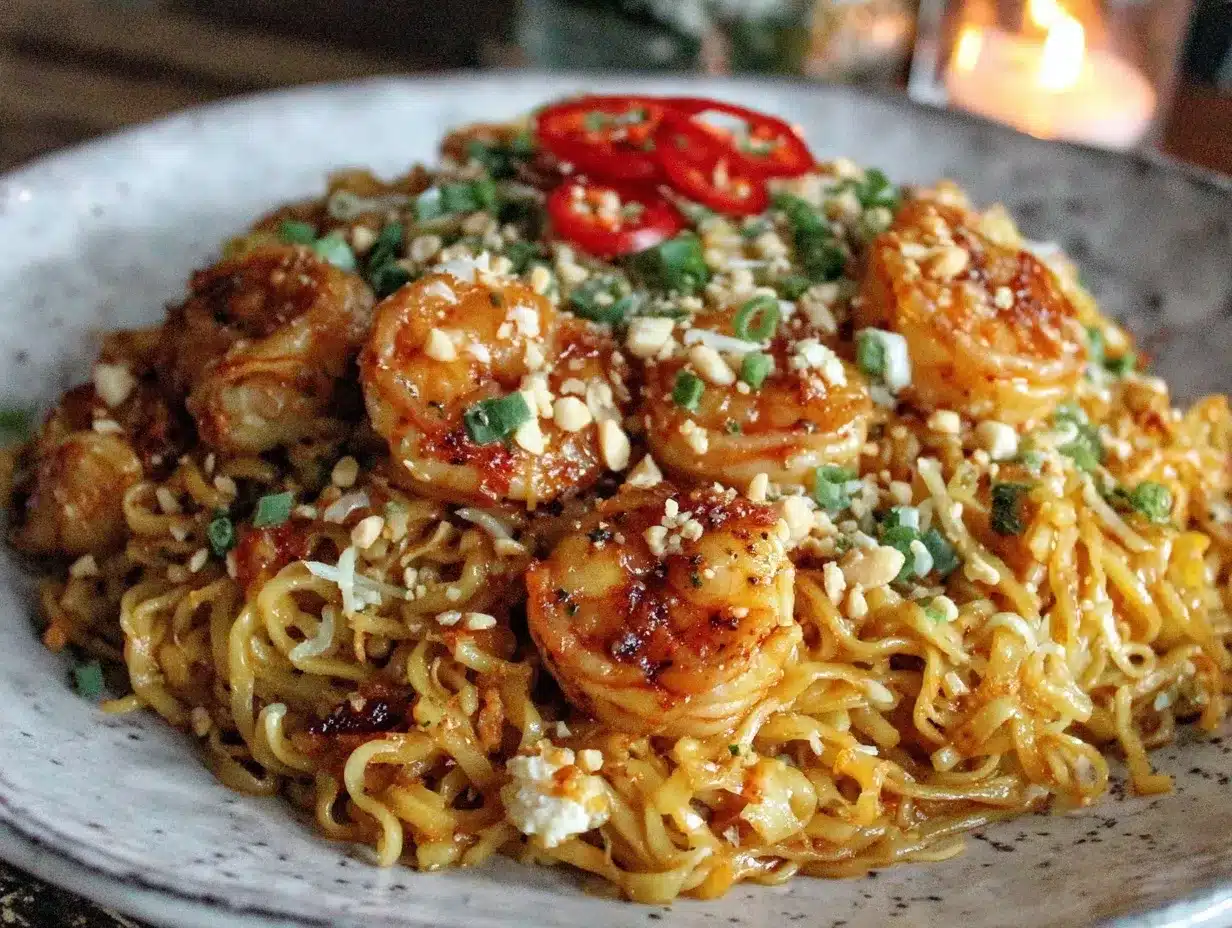
Making this flavorful Pad Thai with shrimp doesn’t require any fancy kitchen gadgets. Here’s what you’ll want on hand:
- Large bowl: To soak the rice noodles (a wide bowl works best for even soaking).
- Wok or large skillet: A wok is ideal for tossing ingredients quickly over high heat, but a large non-stick skillet works just fine.
- Spatula or wooden spoon: For stirring and folding the noodles and sauce together.
- Measuring spoons and cups: To get the sauce ratios just right.
- Knife and cutting board: For prepping shrimp, garlic, and green onions.
If you don’t have a wok, no worries—just use your biggest skillet and keep everything moving in the pan so nothing sticks. I’ve done this with a trusty cast-iron skillet before, and it worked surprisingly well. For budget-friendly options, lightweight non-stick pans are easy to clean and do the job perfectly.
Preparation Method
- Soak the rice noodles: Place 8 oz (225 g) of rice noodles in a large bowl and cover with warm water. Let them soak for about 20 minutes, or until pliable but still slightly firm. Drain and set aside. (Be careful not to soak too long, or they’ll get mushy later.)
- Prepare the sauce: In a small bowl, whisk together 2 tbsp tamarind paste, 3 tbsp fish sauce, 2 tbsp brown sugar, and 1 tsp sriracha. Taste and adjust—this is your flavor foundation, so don’t be shy about balancing sweet, salty, and spicy.
- Cook the shrimp: Heat 1 tbsp vegetable oil in your wok or skillet over medium-high heat. Add 12 oz (340 g) peeled and deveined shrimp. Stir-fry until pink and just cooked through, about 2-3 minutes. Remove the shrimp and set aside to avoid overcooking.
- Scramble the eggs: Add the remaining 1 tbsp oil to the pan. Pour in the beaten eggs (2 large) and scramble gently. When they’re almost set but still moist, push them to one side of the pan.
- Sauté aromatics and noodles: Add 3 minced garlic cloves and sliced green onions (3 stalks) to the pan. Stir quickly for about 30 seconds until fragrant. Toss in the drained noodles.
- Add the sauce and combine: Pour the sauce over the noodles and gently toss everything together. The noodles should absorb the sauce and become glossy, around 2-3 minutes. If needed, splash a little water to help everything come together.
- Return shrimp and finish: Add the cooked shrimp back to the pan along with 1 cup (100 g) bean sprouts. Toss to combine and warm through for another minute.
- Serve: Plate the Pad Thai and sprinkle with 1/4 cup (30 g) chopped roasted peanuts. Offer lime wedges on the side for squeezing over the top.
Watch for the noodles’ texture here—they should be tender but not falling apart. If the pan starts to dry out, a tiny splash of water or broth can help keep things slick. I like to keep a close eye on the shrimp during the final toss so they don’t get rubbery.
Cooking Tips & Techniques
There are a few tricks I’ve picked up while making this flavorful Pad Thai with shrimp that make all the difference:
- Don’t over-soak the noodles. They continue cooking in the pan, so a chewy texture is what you want before stir-frying.
- High heat is your friend. Toss ingredients quickly on medium-high heat to get that signature wok-char flavor without steaming.
- Prep everything before you start cooking. This dish moves fast once you begin, so have your sauce, shrimp, noodles, and veggies ready to go.
- Balance the sauce flavors. Taste before adding—it’s easier to add more tamarind or sugar than to fix a sauce that’s off.
- Use fresh lime juice at the end. It brightens the dish and adds a fresh zing that cuts through the richness.
A little personal confession: the first time I tried skipping the shrimp step and just tossed everything raw into the pan, the shrimp ended up overcooked and rubbery. Lesson learned—cook shrimp separately and fold them in at the end for perfect tenderness.
Variations & Adaptations
This Pad Thai recipe is super flexible, so you can easily tweak it to suit your mood or dietary needs:
- Vegetarian version: Swap shrimp for firm tofu cubes and replace fish sauce with soy sauce or tamari. Add extra veggies like bell peppers or snap peas for more crunch.
- Spice it up: If you like heat, add more sriracha or sprinkle crushed red pepper flakes when serving. For a smoky twist, a dash of smoked paprika can be interesting.
- Low-carb alternative: Use shirataki noodles or spiralized zucchini noodles instead of rice noodles. Adjust cooking time accordingly to avoid sogginess.
- Seasonal tweaks: In cooler months, swap bean sprouts for shredded cabbage or thinly sliced Brussels sprouts sautéed lightly.
One variation I often make is adding a touch of grilled pineapple teriyaki chicken skewers on the side for a tropical vibe. The sweet-savory combo pairs beautifully.
Serving & Storage Suggestions
Serve this flavorful Pad Thai with shrimp piping hot, fresh out of the pan, garnished with lime wedges and chopped peanuts. The lime juice squeezed on top really wakes everything up and makes the flavors pop. For a fresh contrast, a simple cucumber salad or crunchy raw veggies work well alongside.
If you have leftovers, store them in an airtight container in the refrigerator for up to 2 days. To reheat, a quick toss in a hot skillet with a splash of water or broth helps bring back the moisture and keeps the noodles from drying out. Avoid microwaving directly as it can make the noodles gummy.
Flavors tend to meld and deepen after sitting overnight, so sometimes this Pad Thai tastes even better the next day. Just remember to add fresh bean sprouts or peanuts when serving for that essential crunch.
Nutritional Information & Benefits
Here’s an approximate breakdown per serving (recipe serves 3-4):
| Calories | 380-420 kcal |
|---|---|
| Protein | 28 g (mainly from shrimp and eggs) |
| Carbohydrates | 45 g (mostly from rice noodles) |
| Fat | 10-12 g (healthy fats from peanuts and oil) |
The shrimp provides lean protein and omega-3 fatty acids, while tamarind paste offers antioxidants and a tangy source of vitamin C. This dish is naturally gluten-free if you use gluten-free fish sauce and tamarind. It’s a balanced meal with protein, carbs, and fats, plus fresh veggies for fiber and crunch.
From a health-conscious perspective, this recipe hits a sweet spot between indulgence and nourishment. It feels indulgent without being heavy or greasy—perfect for those who want flavor without guilt.
Conclusion
Whether you’re new to Thai cooking or just looking for an easy way to make flavorful Pad Thai with shrimp at home, this recipe is a solid bet. It’s approachable, fast, and packed with the right mix of tangy, sweet, spicy, and savory notes that make you want seconds.
The best part? You can customize it endlessly to suit your tastes or pantry supplies, making it a recipe that adapts as you do. I love how it turns an ordinary weeknight into something memorable and satisfying, reminding me that great food doesn’t have to be complicated.
If you give this a try, I’d love to hear how it goes or any twists you add. Sharing your variations keeps cooking fun and fresh—for me and for everyone reading along. So here’s to many more bowls of homemade Pad Thai bliss, served with a squeeze of lime and a whole lot of flavor.
FAQs About Flavorful Pad Thai with Shrimp
What type of noodles should I use for Pad Thai?
Flat rice noodles about 1/4-inch wide are traditional and work best. They soak quickly and absorb the sauce well. Avoid thick rice noodles or regular pasta for authentic texture.
Can I make this recipe vegetarian or vegan?
Yes! Just swap shrimp for tofu and use soy sauce or tamari instead of fish sauce. You can also skip the eggs or replace them with scrambled tofu.
How do I prevent the noodles from sticking together?
Soak noodles until just pliable, not mushy. Stir-fry quickly over high heat and toss with sauce immediately. Adding a bit of oil and tossing often helps keep them separate.
What if I can’t find tamarind paste?
Use a mix of lime juice and brown sugar as a substitute—about 1 tbsp lime juice plus 1 tbsp brown sugar mimics tamarind’s sweet and sour profile.
Can I prepare Pad Thai ahead of time?
You can prep ingredients and sauce in advance, but it’s best to cook and toss everything together fresh for optimal texture. Leftovers reheat well with a splash of water in a skillet.
Pin This Recipe!
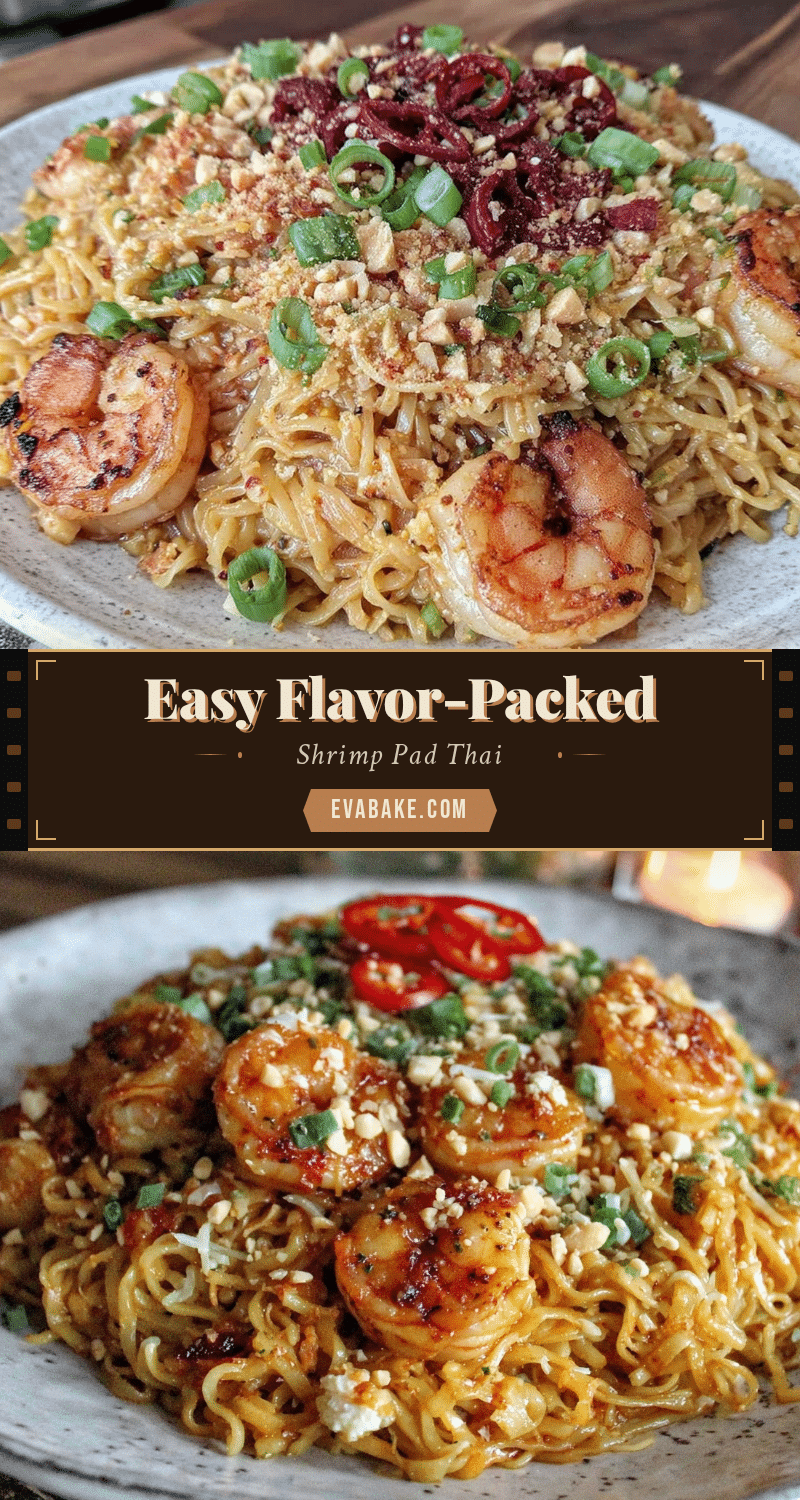
Flavorful Pad Thai with Shrimp

A quick and easy homemade Pad Thai recipe featuring shrimp, rice noodles, and a perfectly balanced tangy, sweet, and spicy sauce. Ready in about 25 minutes, this dish delivers restaurant-quality flavor with simple pantry staples.
- Prep Time: 10 minutes
- Cook Time: 15 minutes
- Total Time: 25 minutes
- Yield: 3-4 servings 1x
- Category: Main Course
- Cuisine: Thai
Ingredients
- 8 oz (225 g) flat rice noodles, about 1/4-inch wide
- 12 oz (340 g) raw shrimp, peeled and deveined
- 2 tbsp vegetable oil (canola or peanut oil recommended)
- 2 large eggs, beaten
- 3 cloves garlic, minced
- 3 green onions, sliced thin
- 1 cup (100 g) bean sprouts
- 1/4 cup (30 g) roasted peanuts, chopped
- 1 fresh lime, cut into wedges
- For the sauce:
- 2 tbsp tamarind paste (or substitute with 1 tbsp lime juice + 1 tbsp brown sugar)
- 3 tbsp fish sauce
- 2 tbsp brown sugar
- 1 tsp sriracha (or to taste)
Instructions
- Soak the rice noodles in a large bowl with warm water for about 20 minutes until pliable but still slightly firm. Drain and set aside.
- In a small bowl, whisk together tamarind paste, fish sauce, brown sugar, and sriracha. Adjust seasoning to taste.
- Heat 1 tbsp vegetable oil in a wok or large skillet over medium-high heat. Add shrimp and stir-fry until pink and cooked through, about 2-3 minutes. Remove shrimp and set aside.
- Add remaining 1 tbsp oil to the pan. Pour in beaten eggs and scramble gently until almost set but still moist. Push eggs to one side of the pan.
- Add minced garlic and sliced green onions to the pan. Stir quickly for about 30 seconds until fragrant.
- Add drained noodles to the pan and pour the sauce over them. Toss gently to combine and coat noodles, cooking for 2-3 minutes until noodles absorb the sauce and become glossy. Add a splash of water if needed.
- Return cooked shrimp to the pan along with bean sprouts. Toss to combine and warm through for about 1 minute.
- Serve the Pad Thai plated, sprinkled with chopped roasted peanuts and lime wedges on the side for squeezing over.
Notes
[‘Do not over-soak the noodles to avoid mushiness; they will continue cooking in the pan.’, ‘Use high heat and toss ingredients quickly for authentic wok-char flavor.’, ‘Prepare all ingredients before cooking as the dish cooks fast.’, ‘Taste and adjust the sauce before adding to noodles for balanced flavor.’, ‘Add fresh lime juice at the end to brighten the dish.’, ‘Cook shrimp separately to avoid overcooking and rubbery texture.’, ‘Leftovers can be stored in an airtight container in the refrigerator for up to 2 days and reheated in a skillet with a splash of water or broth.’]
Nutrition
- Serving Size: Approximately 1 bowl
- Calories: 380420
- Sugar: 8
- Sodium: 900
- Fat: 1012
- Saturated Fat: 2
- Carbohydrates: 45
- Fiber: 3
- Protein: 28
Keywords: Pad Thai, shrimp, Thai recipe, quick dinner, easy Pad Thai, homemade Pad Thai, stir-fry noodles, gluten-free Pad Thai