“You need to make that soup again.” My sister texted me this on a Tuesday afternoon in early October, and I knew exactly which soup she meant. Not because I make a million soups—though I do—but because this one had somehow become the unofficial mascot of our fall season. She’d come over the week before, shivering from the cold rain that had caught her without a jacket, and I had this bubbling away in the crockpot. I ladled her a bowl, threw in some crusty bread, and she didn’t say a word for ten minutes. Just ate. And then asked for the recipe before she even took off her wet shoes.
That’s the thing about this Cozy Crockpot Fall Harvest Chicken and Wild Rice Soup. It doesn’t try to be fancy. It doesn’t need to. It’s the kind of soup that shows up when you need it most—when the leaves are turning and the air gets that crisp bite, and all you want is something warm that feels like a hug in a bowl. I developed this recipe after a few too many attempts at wild rice soup that came out either too gloppy or too thin, with rice that was either crunchy or mush. This version? It hits that sweet spot every single time.
The crockpot does all the heavy lifting. You toss in chicken, vegetables, wild rice, and a few simple seasonings, and hours later you’ve got a soup that tastes like you’ve been simmering it all day with intention. Which, honestly, you have. The slow cooker just does the stirring for you. I’ve made this on busy workdays, lazy Sundays, and even for a small Thanksgiving gathering where everyone wanted something lighter than the usual spread. It works every time. It’s become the soup I turn to when I want to feel grounded, when I want my kitchen to smell like fall, and when I want to feed people something that makes them close their eyes on the first bite.
Why You’ll Love This Recipe
Let me tell you why this soup has earned a permanent spot in my fall rotation—and why I think it’ll earn one in yours too.
- Set It and Forget It: This is the kind of recipe you throw together in the morning and come home to. No babysitting, no stirring, no stress. The crockpot does the work while you do literally anything else.
- Simple Ingredients, Big Flavor: You don’t need a specialty grocery store for this one. Chicken, carrots, celery, onion, wild rice, broth—these are things you probably already have or can grab in five minutes. And yet somehow, they come together to taste like something much more complex.
- Perfect for Meal Prep: This soup actually gets better on day two. The flavors meld, the rice soaks up more broth, and it becomes even more comforting. I often make a double batch just so I have lunches for the week.
- Crowd-Pleaser Status: I’ve served this to picky kids, health-conscious friends, and my uncle who “doesn’t really do soup.” Everyone went back for seconds. It’s hearty enough to be a meal on its own but light enough that you don’t feel weighed down.
- Fall in a Bowl: The combination of tender chicken, nutty wild rice, and sweet autumn vegetables is basically the flavor of October. Add in some fresh thyme and a splash of cream at the end, and you’ve got pure comfort.
What makes this recipe different from the dozens of other wild rice soups out there? It’s the texture. I spent a long time figuring out how to get the rice perfectly cooked without it turning to mush or staying crunchy. The trick is par-cooking the rice before it goes into the crockpot—just ten minutes of boiling makes all the difference. And the cream? I add it at the very end, off the heat, so it stays silky and doesn’t curdle. These little details add up to a soup that feels luxurious without being complicated.
This is the kind of soup that makes you slow down. That forces you to sit at the table with a spoon and just be present for a few minutes. And honestly? We could all use a little more of that.
What Ingredients You Will Need
This recipe uses simple, wholesome ingredients that come together to create something truly special. Most of these are pantry staples or easy fall finds, and I’ve included some notes on what to look for and how to swap things if needed.
For the Soup Base
- Chicken breasts or thighs (1.5 pounds): I prefer boneless, skinless chicken thighs for this recipe because they stay juicier during the long cook time, but breasts work great too. If using breasts, just be careful not to overcook them—check for doneness around the 4-hour mark on low. I’ve used both and honestly, thighs give a richer flavor that stands up to the wild rice beautifully.
- Wild rice blend (1 cup, uncooked): Look for a blend that includes both wild rice and brown rice for the best texture. My go-to is the Lundberg brand wild rice blend—it cooks evenly and has that wonderful nutty flavor. If you can only find pure wild rice, that works too, just know it’ll take a bit longer to cook and has a stronger, earthier taste.
- Yellow onion (1 large, diced): The backbone of any good soup. I use yellow onions for their balanced sweetness, but a white onion would work in a pinch. Dice them small so they melt into the broth.
- Carrots (3 medium, peeled and diced): These add natural sweetness and that beautiful orange color that screams fall. I like to dice them into small, uniform pieces so they cook evenly. No one wants a huge chunk of raw-ish carrot in their soup.
- Celery (3 stalks, diced): The classic aromatic. Celery adds a subtle savory note that rounds out the sweetness of the carrots and onions. If you’re not a celery fan, you can leave it out, but I think it’s worth keeping.
- Garlic (4 cloves, minced): Fresh garlic is non-negotiable here. The pre-minced stuff in a jar just doesn’t have the same punch. I add it in the last hour of cooking so the flavor stays bright and doesn’t get muted.
- Chicken broth (6 cups, low-sodium): This is your soup’s liquid foundation, so use a good one. I like Swanson’s low-sodium chicken broth because it lets me control the salt level. If you use homemade broth, even better—you’ll get a deeper, more complex flavor.
- Fresh thyme (4 sprigs) or 1 teaspoon dried: Thyme and fall vegetables are a match made in heaven. Fresh is lovely if you have it, but dried works perfectly fine. Just tie the sprigs together with kitchen twine so they’re easy to fish out later.
- Bay leaves (2): These add an almost imperceptible but essential depth. Don’t skip them. Just remember to remove them before serving—no one wants to bite into a bay leaf.
- Salt and black pepper (to taste): I start with 1 teaspoon of salt and ½ teaspoon of pepper and adjust at the end. Remember that the broth already has some salt, so go easy at first.
For the Creamy Finish
- Heavy cream (1 cup): This is what takes the soup from good to “I can’t stop eating this.” Heavy cream adds richness without making the soup too heavy. For a lighter version, you can use half-and-half, but don’t go lower than that or it might curdle. I’ve tried whole milk and it just doesn’t have the same luxurious mouthfeel.
- All-purpose flour (2 tablespoons): This helps thicken the soup slightly so it’s creamy but not gloppy. You’ll whisk it into the cream before adding it to the pot—this prevents lumps and ensures a smooth finish.
- Fresh parsley (¼ cup, chopped, for garnish): Optional but highly recommended. The fresh green color and bright flavor are a nice contrast to the rich, earthy soup.
Ingredient Selection Tips: When buying wild rice, look for grains that are dark brown or black with a slight sheen. Avoid any that look dusty or broken. For the chicken, I always go for organic if my budget allows—the flavor difference is noticeable in a slow-cooked dish. And for the vegetables, try to get them as fresh as possible. Limp carrots and sad celery won’t do your soup any favors.
Substitution Guidance: Need this to be dairy-free? Swap the heavy cream for full-fat coconut milk (the kind in a can) and use a gluten-free all-purpose flour blend or cornstarch for thickening. Want to make it vegetarian? Omit the chicken and use vegetable broth, then add a can of drained chickpeas or white beans at the end for protein. The soup will still be delicious—just different.
Equipment Needed
You don’t need a ton of fancy equipment for this recipe, which is part of what makes it so great. Here’s what you’ll need:
- A 6-quart or larger slow cooker: This is the star of the show. I use a Cuisinart 6-quart programmable slow cooker, and it’s been a workhorse for years. If your crockpot is smaller, just scale the recipe down slightly—you don’t want it too full or it won’t cook evenly.
- A medium saucepan: You’ll need this for par-cooking the wild rice before it goes into the crockpot. Any medium pot will do.
- A sharp chef’s knife and cutting board: For all that vegetable dicing. A good knife makes the prep work go so much faster. I use a Wusthof 8-inch chef’s knife and it’s worth every penny.
- A wooden spoon or silicone spatula: For stirring the soup and scraping down the sides. Silicone is great because it won’t scratch your crockpot.
- A small whisk: For whisking the flour into the cream. This prevents lumps and ensures a smooth finish.
- Measuring cups and spoons: Because precision matters, even in a crockpot recipe.
- Tongs or a slotted spoon: For removing the chicken from the crockpot to shred it.
- Two forks or a hand mixer: For shredding the chicken. I usually just use two forks, but if you’re making a big batch, a hand mixer on low speed does the job in seconds.
Budget-Friendly Tip: If you don’t have a slow cooker, you can make this soup on the stovetop. Just use a large Dutch oven or heavy-bottomed pot, bring everything to a boil, then reduce to a simmer and cook for about 45 minutes to an hour, or until the rice is tender and the chicken is cooked through. The flavor won’t be quite as deep, but it’ll still be delicious.
Preparation Method
Alright, let’s get cooking. This recipe is straightforward, but I’ve included some tips and sensory cues to help you nail it every time.
Step 1: Par-Cook the Wild Rice
Start by rinsing 1 cup of wild rice blend under cold water in a fine-mesh strainer. This removes any dust or debris. Then, add the rice to a medium saucepan with 2 cups of water. Bring it to a boil over high heat, then reduce the heat to low, cover, and let it simmer for 10 minutes. You’re not cooking it all the way through here—just giving it a head start so it finishes perfectly in the crockpot. After 10 minutes, drain the rice and set it aside. It should look slightly plumped but still have a firm bite.
Step 2: Prep the Vegetables
While the rice is par-cooking, dice 1 large onion, 3 carrots, and 3 stalks of celery into small, uniform pieces. Aim for about ½-inch dice—small enough to cook through but big enough to still have presence in the soup. Mince 4 cloves of garlic and set them aside separately. I like to keep the garlic separate because it goes in later.
Step 3: Layer Everything in the Crockpot
This is where the magic happens. Place the 1.5 pounds of chicken breasts or thighs in the bottom of your slow cooker. Yes, raw chicken right into the pot—it’ll cook perfectly in the broth. Add the par-cooked wild rice, the diced onion, carrots, and celery on top. Pour in 6 cups of low-sodium chicken broth. Add 4 sprigs of fresh thyme (tied together with kitchen twine) and 2 bay leaves. Season with 1 teaspoon of salt and ½ teaspoon of black pepper.
Give everything a gentle stir to combine, but don’t worry if the rice isn’t fully submerged—it will be as the soup cooks. The chicken should be mostly covered by the liquid. If it’s not, add a little more broth or water.
Step 4: Cook Low and Slow
Cover the crockpot and cook on LOW for 6-7 hours or on HIGH for 3-4 hours. I prefer low and slow—it gives the flavors more time to develop and the chicken comes out incredibly tender. About 1 hour before the cooking time is up, remove the lid and add the minced garlic. Stir it in gently. This late addition keeps the garlic flavor bright and pungent rather than muted and cooked-out.
Sensory Cue: At this point, your kitchen should smell incredible—like chicken soup with a hint of earthiness from the wild rice and a subtle floral note from the thyme. The broth will be a beautiful golden-brown color, and the vegetables should be tender when pierced with a fork.
Step 5: Shred the Chicken
When the cooking time is up, use tongs or a slotted spoon to remove the chicken from the crockpot and transfer it to a cutting board or large bowl. Be careful—it’s hot! Let it rest for a few minutes, then shred it using two forks. The chicken should be so tender that it practically falls apart with minimal effort. If it doesn’t shred easily, it needs more time. Pop it back in the crockpot for another 30 minutes.
Once shredded, return the chicken to the crockpot. Remove and discard the thyme sprigs and bay leaves—they’ve done their job.
Step 6: Add the Creamy Finish
In a small bowl, whisk together 1 cup of heavy cream and 2 tablespoons of all-purpose flour until smooth and lump-free. This is called a slurry, and it’s the secret to a silky, thickened soup without any floury taste. With the crockpot turned off or on warm, slowly pour the cream mixture into the soup while stirring gently. Stir until everything is well combined and the soup has thickened slightly—this should happen almost immediately.
Troubleshooting Tip: If your soup seems too thick after adding the cream, stir in a little more broth or water until it reaches your desired consistency. If it’s too thin, mix another tablespoon of flour with 2 tablespoons of cream and stir it in. Let it sit for 5 minutes to thicken.
Step 7: Taste and Adjust
Give the soup a taste. Add more salt and pepper if needed—this is crucial because the flavors can dull during long cooking. I usually add another ½ teaspoon of salt and a generous crack of black pepper. If you want a little brightness, squeeze in half a lemon or add a splash of apple cider vinegar. It won’t make the soup taste sour; it’ll just wake up all the other flavors.
Step 8: Serve and Garnish
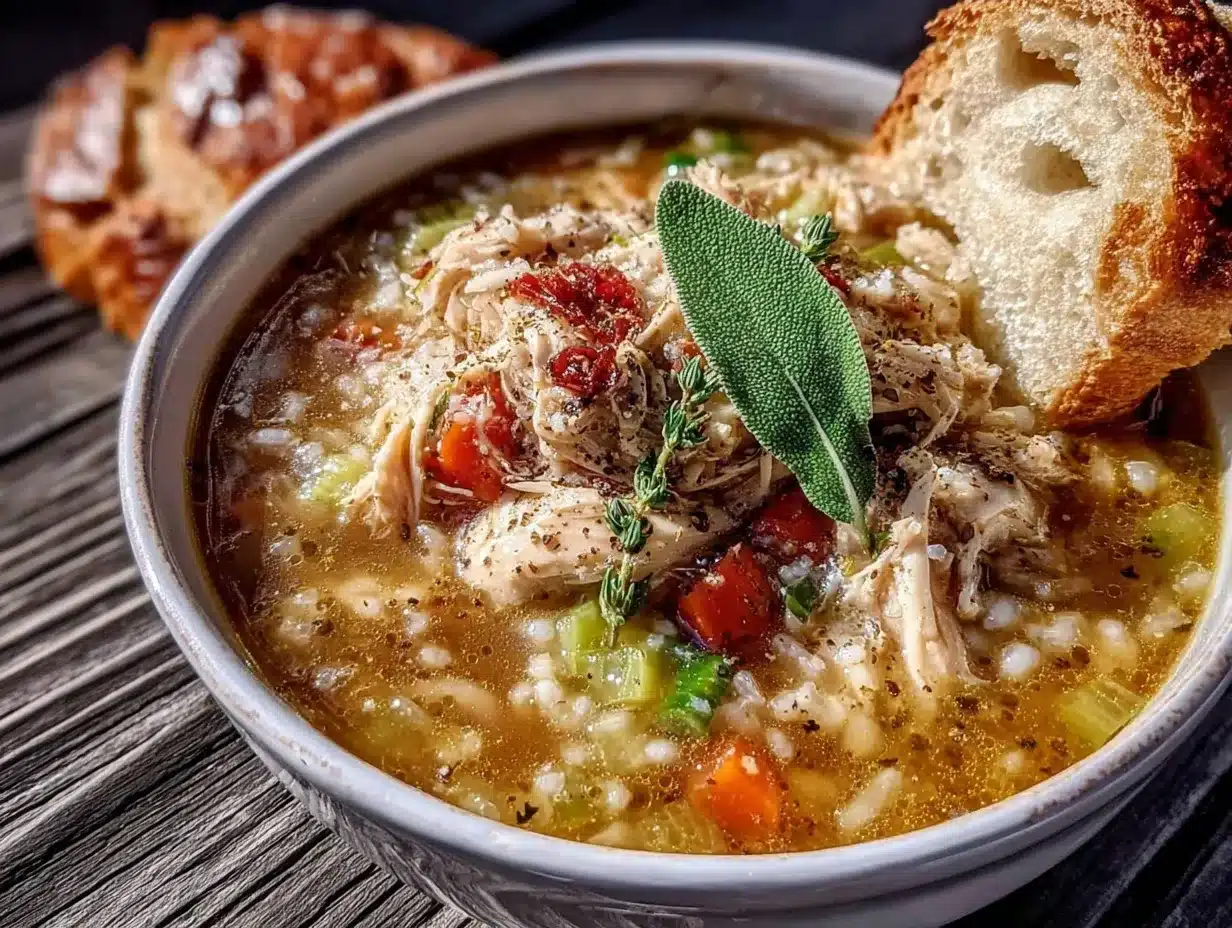
Ladle the soup into bowls and garnish with fresh chopped parsley. Serve hot with crusty bread or a side salad. The soup should be creamy, with tender chunks of chicken, perfectly cooked wild rice, and soft vegetables in a rich, savory broth. Close your eyes on that first bite—I promise it’s worth it.
Cooking Tips & Techniques
I’ve made this soup more times than I can count, and I’ve learned a few things along the way. Here are my best tips for getting it right every single time.
Don’t Skip the Par-Cook for the Rice. I learned this the hard way. The first time I made wild rice soup in the crockpot, I just dumped the raw rice in with everything else. Six hours later, the rice was still crunchy. Wild rice is tough—it needs a head start. That 10-minute boil before it goes into the crockpot makes all the difference. The rice finishes cooking perfectly in the soup without turning to mush.
Layer Flavors Strategically. The garlic goes in late for a reason. If you add it at the beginning, it’ll cook down into something mellow and almost sweet. That’s fine, but I love the punch of fresh garlic in this soup. Adding it in the last hour keeps that flavor bright and distinct. Same goes for the cream—adding it at the very end, off the heat, prevents curdling and keeps the texture silky.
Use a Meat Thermometer for Perfect Chicken. If you’re using chicken breasts, they can go from perfectly cooked to dry and stringy in a matter of minutes. I use an instant-read thermometer to check for doneness. Chicken is safe to eat at 165°F, but for thighs, I pull them at 175°F—the higher temperature breaks down the connective tissue and makes them extra tender.
Don’t Over-Stir. Once you add the cream and flour mixture, stir gently and then leave it alone. Over-stirring can break down the rice and turn the soup into a starchy mess. A gentle stir every now and then is fine, but let the soup do its thing.
Make It Ahead for Better Flavor. This soup is one of those rare dishes that actually tastes better the next day. The flavors have time to meld and deepen. I often make it a day ahead, let it cool completely, and then reheat it gently on the stovetop or in the crockpot. Just add a splash of broth or water when reheating, as the rice will absorb some of the liquid overnight.
My Biggest Failure: I once tried to speed things up by cooking this on high for the whole time. The chicken came out tough, the rice was unevenly cooked, and the broth tasted flat. Low and slow is non-negotiable for this recipe. Don’t rush it—the soup rewards patience.
Variations & Adaptations
One of the best things about this soup is how adaptable it is. Here are some of my favorite variations:
Vegetarian Version
Omit the chicken entirely and use vegetable broth instead of chicken broth. Add a can of drained and rinsed chickpeas or white beans (like cannellini or great northern) in the last 30 minutes of cooking. The beans add protein and a creamy texture that mimics the chicken. You can also throw in some chopped mushrooms for an earthy, savory depth.
Dairy-Free Version
Swap the heavy cream for full-fat coconut milk (the kind in a can). The coconut flavor is subtle and actually works beautifully with the wild rice and thyme. Use a cornstarch slurry instead of a flour slurry—mix 2 tablespoons of cornstarch with 3 tablespoons of cold water or coconut milk, then stir it in at the end.
Seasonal Vegetable Swap
This soup is incredibly flexible when it comes to vegetables. In the fall, I love adding diced butternut squash or sweet potatoes along with the carrots. In the spring, swap in asparagus and peas. In the summer, use zucchini and corn. Just adjust the cooking time based on how firm the vegetables are—harder vegetables like squash can go in at the beginning, while softer ones like zucchini should be added in the last hour.
Spicy Kick
If you like a little heat, add a diced jalapeño (seeds removed for less heat) along with the vegetables, or stir in ½ teaspoon of red pepper flakes with the garlic in the last hour. A dash of hot sauce at the table is also a great option.
Herb Variations
Thyme and bay are classic, but you can switch it up. Rosemary adds a piney, aromatic note—just use one sprig and remove it before serving. Sage is another wonderful fall option; add 4-5 fresh leaves along with the vegetables. And if you’re feeling fancy, a tablespoon of fresh dill stirred in at the end adds a bright, unexpected flavor.
Serving & Storage Suggestions
Serving Temperature: This soup is best served piping hot, straight from the crockpot. Ladle it into deep bowls and garnish with fresh parsley and a crack of black pepper. A drizzle of good olive oil on top is also lovely.
What to Serve With It: Crusty bread is the classic pairing—sourdough, a baguette, or even a warm dinner roll. I love serving it with a simple green salad dressed with a tangy vinaigrette to cut through the richness of the soup. For a heartier meal, serve it alongside a wholesome fall harvest salad with maple vinaigrette for a complete autumn feast. If you’re feeling indulgent, a grilled cheese sandwich on the side is never a bad idea—try it with my creamy homemade tomato soup with grilled cheese as inspiration for your next comfort meal.
Storage Instructions: Let the soup cool completely before storing. Transfer it to an airtight container and refrigerate for up to 5 days. The soup will thicken as it sits because the rice continues to absorb liquid. When reheating, add a splash of broth or water to thin it back to your preferred consistency. Reheat gently on the stovetop over medium-low heat or in the microwave in 30-second bursts, stirring between each.
Freezer Instructions: This soup freezes beautifully, but there’s a catch. The cream can separate slightly when thawed, and the rice will become softer. To avoid this, I recommend freezing the soup before adding the cream. Make the soup through Step 5 (the shredded chicken is in the pot), let it cool, and freeze it in a freezer-safe container for up to 3 months. When you’re ready to eat, thaw it in the refrigerator overnight, reheat it on the stovetop, and then add the cream and flour slurry at the end. It’ll taste just like fresh.
How Flavors Develop: This soup is at its peak on day two. The flavors meld together, the rice absorbs more broth, and everything becomes even more cohesive. If you can, make it a day ahead and let it sit in the refrigerator overnight. Just be prepared to add a little extra liquid when reheating.
Nutritional Information & Benefits
Here’s an approximate nutritional breakdown for one serving (about 1.5 cups) of this soup, based on the recipe as written:
- Calories: 380
- Protein: 32g
- Fat: 14g
- Carbohydrates: 32g
- Fiber: 4g
- Sugar: 6g
- Sodium: 680mg (varies based on broth and added salt)
Health Benefits: This soup is packed with good-for-you ingredients. Chicken is a lean source of protein that helps keep you full and supports muscle health. Wild rice is a whole grain rich in fiber, B vitamins, and antioxidants—it’s actually higher in protein than most other rices. Carrots and celery provide vitamin A, vitamin K, and a good dose of fiber. And while heavy cream adds some saturated fat, it also makes the soup satisfying enough to keep you from snacking an hour later.
Dietary Considerations: This recipe is naturally gluten-free if you use a gluten-free flour blend or cornstarch for the slurry. It can be made dairy-free by using coconut milk (see variations above). It’s not low-carb due to the rice, but one serving fits well into a balanced diet. If you’re watching your sodium, use low-sodium broth and go easy on the added salt—you can always add more at the table.
Potential Allergens: This recipe contains dairy (heavy cream) and gluten (all-purpose flour). Both can be substituted as noted in the variations section. Always check your broth labels if you’re avoiding specific allergens.
Conclusion
This Cozy Crockpot Fall Harvest Chicken and Wild Rice Soup has become a staple in my kitchen for good reason. It’s the soup I turn to when I need something reliable, something that fills my home with the smell of fall, and something that makes everyone at the table happy. It’s not complicated. It doesn’t require fancy techniques or hard-to-find ingredients. It’s just good, honest food that tastes like comfort.
I love that this recipe gives you permission to slow down. To let the crockpot do the work while you go about your day. To come home to a kitchen that smells like someone has been cooking all day—because technically, someone has. It’s the kind of meal that makes you feel taken care of, even if you’re the one who made it.
I’d love to hear how this soup turns out for you. Did you make any substitutions? Add any extra veggies? Serve it with something unexpected? Drop a comment below and let me know—I read every single one, and your feedback helps me create better recipes for all of us. And if you loved this soup, share it with a friend who needs a little fall comfort in their life. Happy cooking!
Frequently Asked Questions
Can I use regular white rice instead of wild rice?
Technically yes, but the texture and flavor will be completely different. White rice cooks much faster and will turn mushy if cooked for 6-7 hours in the crockpot. If you want to use white rice, add it in the last 30 minutes of cooking on low, or cook it separately and add it to each bowl when serving. Brown rice is a better substitute—just par-cook it the same way you would the wild rice blend.
Can I make this soup in an Instant Pot?
Absolutely. Use the sauté function to cook the vegetables for 3-4 minutes, then add the chicken, par-cooked rice, broth, and seasonings. Pressure cook on high for 15 minutes, then do a natural release for 10 minutes before quick-releasing the remaining pressure. Remove the chicken, shred it, and return it to the pot. Stir in the cream and flour slurry on the sauté setting until thickened. The flavor won’t be quite as deep as the slow-cooked version, but it’s still delicious and much faster.
Why did my soup turn out too thick?
This usually happens for one of two reasons: either the rice absorbed too much liquid during cooking, or the cream and flour slurry was too thick. If your soup is too thick, simply stir in additional broth or water until it reaches your desired consistency. Next time, try adding an extra cup of broth at the beginning, or reduce the amount of rice slightly. Remember that the soup will also thicken as it sits, so it’s better to err on the side of too thin when you’re cooking.
Can I use frozen chicken in this recipe?
I don’t recommend it. Frozen chicken will release a lot of water as it thaws in the crockpot, which can throw off the liquid balance and make the soup watery. It also takes longer to come up to a safe temperature, which can be a food safety concern. Always thaw your chicken completely in the refrigerator before adding it to the slow cooker. If you’re short on time, use the stovetop or Instant Pot method instead.
What’s the best way to reheat this soup without it separating?
The key is gentle, low heat. Reheat the soup on the stovetop over medium-low heat, stirring occasionally. Don’t let it come to a rapid boil—that can cause the cream to separate and the rice to break down. If you’re using the microwave, heat it in 30-second bursts at 50% power, stirring between each burst. If the soup looks a little separated, whisk it vigorously for a few seconds to bring it back together. Adding a splash of fresh cream or milk can also help.
Pin This Recipe!
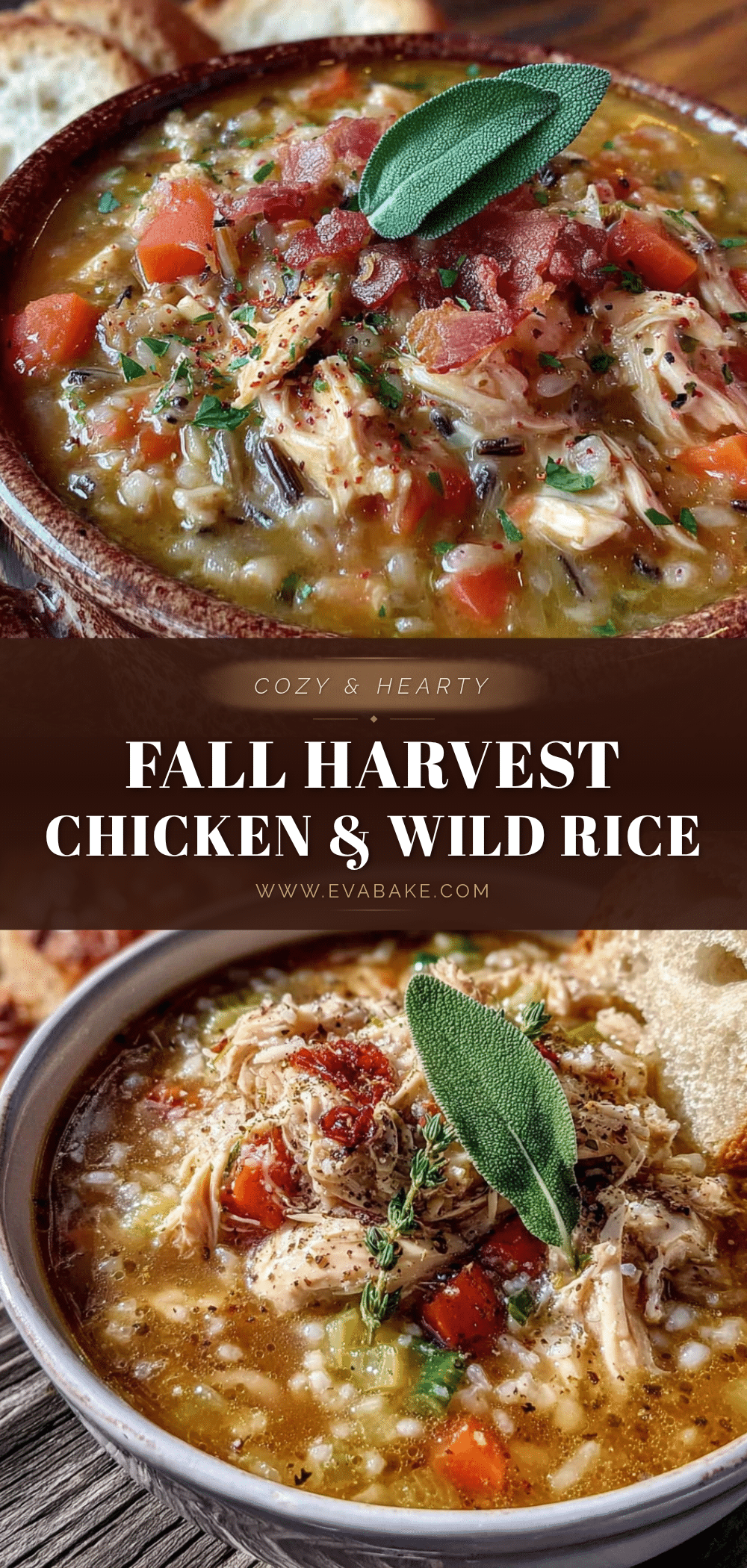
Cozy Crockpot Fall Harvest Chicken and Wild Rice Soup

A hearty, creamy slow-cooker soup with tender chicken, nutty wild rice, and autumn vegetables. Perfect for busy days when you want a comforting meal that tastes like it simmered all day.
- Prep Time: 15 minutes
- Cook Time: 6 hours 30 minutes
- Total Time: 6 hours 45 minutes
- Yield: 6 servings 1x
- Category: Main Course
- Cuisine: American
Ingredients
- 1.5 pounds boneless, skinless chicken breasts or thighs
- 1 cup wild rice blend, uncooked
- 1 large yellow onion, diced
- 3 medium carrots, peeled and diced
- 3 stalks celery, diced
- 4 cloves garlic, minced
- 6 cups low-sodium chicken broth
- 4 sprigs fresh thyme (or 1 teaspoon dried)
- 2 bay leaves
- 1 teaspoon salt, plus more to taste
- ½ teaspoon black pepper, plus more to taste
- 1 cup heavy cream
- 2 tablespoons all-purpose flour
- ¼ cup fresh parsley, chopped (for garnish)
Instructions
- Rinse 1 cup wild rice blend under cold water. In a medium saucepan, bring 2 cups water to a boil, add rice, reduce heat to low, cover, and simmer for 10 minutes. Drain and set aside.
- While rice par-cooks, dice onion, carrots, and celery into ½-inch pieces. Mince garlic and set aside separately.
- Place chicken in the bottom of a 6-quart or larger slow cooker. Add par-cooked rice, diced vegetables, chicken broth, thyme sprigs, bay leaves, 1 teaspoon salt, and ½ teaspoon pepper. Stir gently.
- Cover and cook on LOW for 6-7 hours or on HIGH for 3-4 hours. About 1 hour before cooking time ends, add minced garlic and stir.
- Remove chicken from crockpot using tongs or a slotted spoon. Let rest a few minutes, then shred with two forks. Return shredded chicken to the pot. Discard thyme sprigs and bay leaves.
- In a small bowl, whisk together heavy cream and flour until smooth. With crockpot off or on warm, slowly pour cream mixture into soup while stirring gently. Stir until combined and slightly thickened.
- Taste and adjust seasoning with additional salt and pepper if needed. For brightness, add a squeeze of lemon or splash of apple cider vinegar (optional).
- Ladle into bowls, garnish with fresh parsley, and serve hot with crusty bread or a side salad.
Notes
For best texture, par-cook the wild rice before adding to the crockpot. Add cream at the very end off heat to prevent curdling. Soup thickens as it sits; add broth when reheating. Freeze before adding cream for best results.
Nutrition
- Serving Size: 1.5 cups
- Calories: 380
- Sugar: 6
- Sodium: 680
- Fat: 14
- Saturated Fat: 7
- Carbohydrates: 32
- Fiber: 4
- Protein: 32
Keywords: crockpot soup, chicken and wild rice soup, fall harvest soup, slow cooker soup, creamy chicken soup, autumn soup, comfort food