The Thanksgiving potluck at work was in four hours and I’d completely forgotten. Everyone else would be bringing their grandmother’s legendary stuffing, their aunt’s perfect pumpkin pie, the kind of dishes that had been perfected over decades. I had a bag of potatoes, some butter, and a block of cream cheese that was about to expire. Honestly, I almost just grabbed a veggie tray from the grocery store on the way. But then I remembered this make-ahead mashed potato casserole my neighbor had mentioned once, the kind you can just throw together and forget about until you need it. I mean, what did I have to lose?
So I peeled those potatoes like a woman possessed, boiled them in a slightly-too-small pot (water almost overflowed, let me tell you), and mashed them with more butter than I’d ever used in my life. I folded in that cream cheese, seasoned it with a heavy hand, and spread the whole thing into a baking dish I’d grabbed from the back of my cabinet—the one with a chip on the edge. I didn’t even have time to let it cool properly before I was running out the door, dish towel in hand, praying it wouldn’t slide off the passenger seat.
And you know what happened? That slightly chaotic, thrown-together dish was the first thing to disappear. People went back for seconds. Someone asked me for the recipe. A guy from accounting, who never talks to anyone, told me it was the best thing on the table. I just smiled and nodded, not mentioning the near-boil-over or the expired cream cheese. That’s the thing about this easy make-ahead mashed potato casserole—it’s forgiving. It’s simple. And it makes you look like you have your life together, even when you absolutely don’t. Maybe you’ve been there, staring at a clock and an empty dish, wondering how you’ll pull it off. This recipe is your answer.
Why You’ll Love This Recipe
Let’s be real for a second. Mashed potatoes are already a crowd favorite. But regular mashed potatoes? They’re a pain to time right. You’re either rushing to mash them while the turkey rests, or they’re sitting out getting cold and gluey. This casserole solves all of that. It’s the kind of recipe that makes you wonder why you ever did it the hard way.
- Truly Make-Ahead: You can assemble this entire dish up to two days in advance. Just pop it in the fridge and bake it when you’re ready. No last-minute scrambling.
- Incredibly Creamy: The cream cheese is the secret here. It adds a tangy richness and a silky texture that regular milk and butter just can’t match.
- Weeknight Practical: This isn’t just for holidays. Pair it with a simple roasted chicken or some pan-seared sausages for a comforting weeknight dinner that feels special.
- Minimal Cleanup: One pot for boiling, one bowl for mixing, one dish for baking. That’s it. Your sink will thank you.
- Always a Hit: I’ve brought this to potlucks, family dinners, and casual get-togethers. It never fails. People always go for the creamy, golden-topped potatoes first.
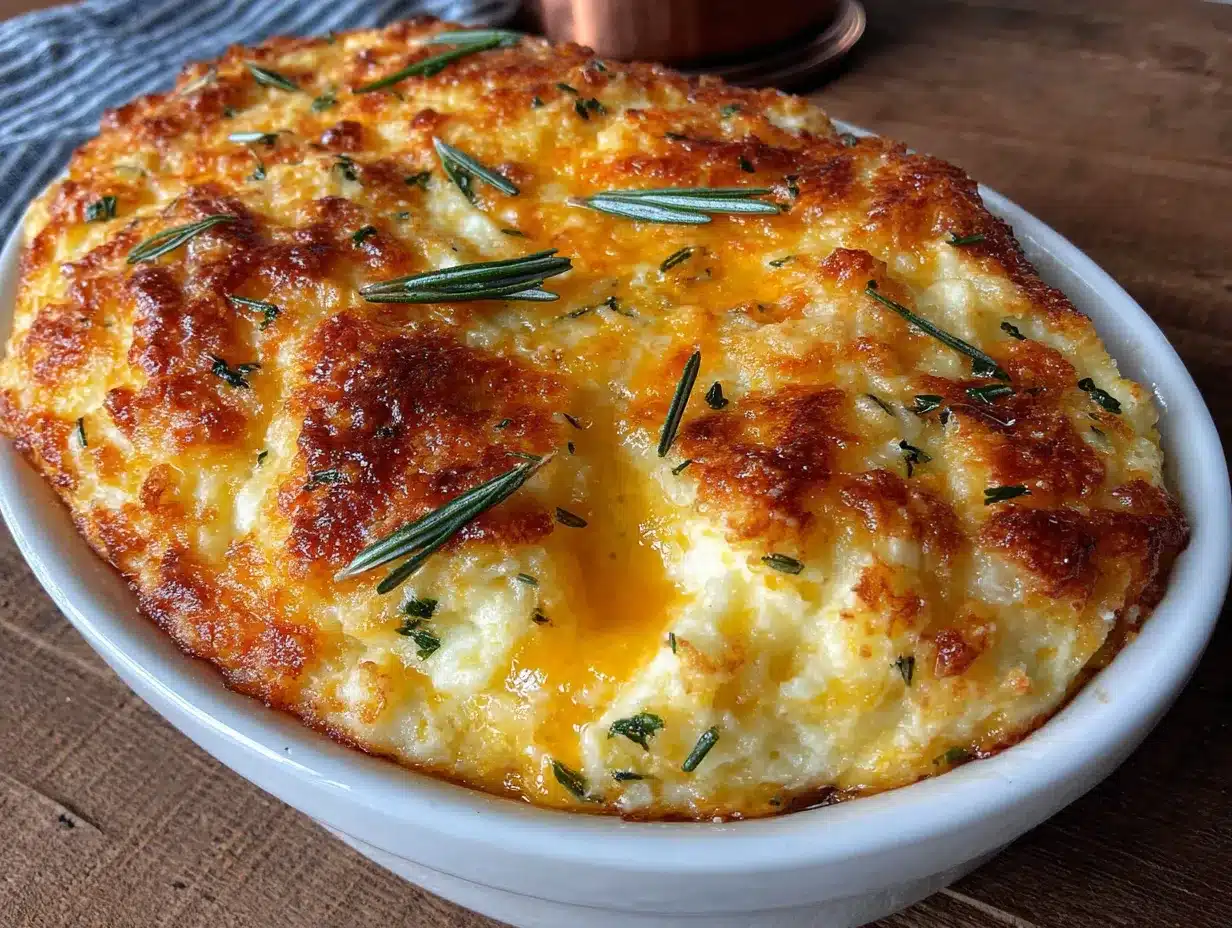
What makes this different from every other mashed potato recipe out there? It’s the texture. By baking the potatoes, you get a slightly firm, scoopable consistency that holds its shape but still melts in your mouth. No watery, sad mashed potatoes here. Plus, the top gets this beautiful, golden-brown crust that adds a little crunch. It’s the best of both worlds—creamy inside, crispy on top. And honestly, it’s the kind of dish that makes you close your eyes after the first bite. It’s comfort food at its finest, made simple for the busiest of us.
What Ingredients You Will Need
This recipe uses simple, humble ingredients to create something truly special. Most of these are probably already in your kitchen, which is exactly the point. No fancy trips to a specialty store required.
- Russet Potatoes (5 pounds) – These are your best bet for fluffy, starchy mashed potatoes. They absorb the butter and cream cheese beautifully. Yukon Golds work too, but they’ll be a bit denser and more buttery.
- Cream Cheese (8 ounces), softened – This is the magic ingredient. Use full-fat for the richest flavor and creamiest texture. I personally prefer Philadelphia, but any block-style cream cheese works. Let it sit out for at least 30 minutes before using so it blends in smoothly.
- Unsalted Butter (1/2 cup, or 1 stick), plus more for the top – Salted butter works in a pinch, just reduce the added salt in the recipe. The butter adds richness and helps create that gorgeous golden crust on top.
- Sour Cream (1/2 cup) – Adds a subtle tang and extra creaminess. Full-fat is best, but light sour cream will work. You can substitute plain Greek yogurt if you prefer.
- Whole Milk (1/2 cup) – Warm it slightly before adding to the potatoes. Cold milk can make the potatoes gummy. You can use 2% or even half-and-half for an even richer result.
- Garlic Powder (1 teaspoon) – Don’t use fresh garlic here; it can become bitter during the baking process. Garlic powder gives you that savory depth without any harshness.
- Salt (1 1/2 teaspoons) – I use kosher salt. Start with this amount and adjust to your taste. Potatoes need a good amount of salt to taste their best.
- Black Pepper (1/2 teaspoon) – Freshly ground is always better. It adds a subtle warmth that complements the creamy potatoes.
- Optional Toppings – A sprinkle of paprika for color, some shredded cheddar cheese for a cheesy crust, or a few pats of butter on top before baking. These are all welcome additions.
Ingredient Selection Tip: For the fluffiest potatoes, look for russets that are firm and free of green spots or sprouts. If you’re making this ahead, don’t skip softening the cream cheese. Cold cream cheese will leave you with lumpy potatoes, and nobody wants that.
Equipment Needed
You don’t need a fancy kitchen to pull this off. Just a few basic tools that you probably already own.
- Large Pot (6-8 quarts) – For boiling the potatoes. Make sure it’s big enough to hold the potatoes with plenty of water. A crowded pot leads to uneven cooking.
- Colander – For draining the cooked potatoes. A standard mesh or plastic colander works fine.
- Potato Masher or Ricer – I prefer a good old-fashioned potato masher. It gives you a slightly rustic texture that I love. A ricer will give you an ultra-smooth, silky result. Both work great. I’ve used a fork in a pinch, and it’s doable, but your arm will get tired.
- Large Mixing Bowl – For combining all the ingredients. Any large bowl will do.
- 9×13-inch Baking Dish – This is the standard size for this recipe. A 3-quart casserole dish works perfectly too. If you use a smaller, deeper dish, you’ll need to increase the baking time.
- Spatula or Wooden Spoon – For mixing everything together. A silicone spatula is great for scraping every last bit of goodness into the baking dish.
- Aluminum Foil – For covering the dish while it bakes, especially if you’re reheating it from the fridge.
Budget-Friendly Tip: You don’t need a fancy potato ricer. A simple hand masher costs under $10 and does the job beautifully. I’ve been using the same one for years, and it has never let me down.
Preparation Method
- Prep the Potatoes (10 minutes): Peel the potatoes and cut them into uniform 2-inch chunks. This ensures they cook evenly. Rinse the cut potatoes in cold water to remove excess starch—this helps prevent them from becoming gummy.
- Boil the Potatoes (20-25 minutes): Place the potato chunks in your large pot and cover them with cold water by about an inch. Add a generous tablespoon of salt to the water. Bring to a boil over high heat, then reduce to a simmer. Cook until the potatoes are fork-tender—a knife should slide in with no resistance. Don’t overcook them, or they’ll become waterlogged.
- Drain and Steam Dry (5 minutes): Drain the potatoes in a colander. Let them sit in the colander for a minute or two to allow excess steam to escape. This step is crucial—removing excess moisture means fluffier mashed potatoes. I learned this the hard way after years of watery mash.
- Mash the Potatoes (5 minutes): Return the drained potatoes to the pot (or transfer them to your large mixing bowl). Mash them with your potato masher until they’re broken down but still a bit chunky. Don’t over-mash at this stage, or they can become gluey.
- Add the Creaminess (5 minutes): Add the softened cream cheese, butter, sour cream, and warm milk to the mashed potatoes. Sprinkle in the garlic powder, salt, and pepper. Mash and fold everything together until it’s smooth and creamy. Taste and adjust the seasoning. This is where you can add more salt or pepper if needed.
- Assemble the Casserole (5 minutes): Preheat your oven to 350°F (175°C). Grease your 9×13-inch baking dish with a little butter or non-stick spray. Spread the mashed potato mixture evenly into the dish. If you’re adding toppings like shredded cheese or extra butter pats, sprinkle or dot them on top now.
- Bake Immediately or Refrigerate: If you’re serving right away, bake the casserole uncovered for 25-30 minutes, until it’s heated through and the top is lightly golden. If you’re making it ahead, cover the dish tightly with foil and refrigerate for up to 2 days.
- Reheating from Cold (45-55 minutes): When you’re ready to bake the chilled casserole, remove it from the fridge while the oven preheats. Bake it covered with foil for 30 minutes, then remove the foil and bake for another 15-20 minutes, until it’s hot all the way through and the top is golden.
Sensory Cue: At the end of baking, you’re looking for a top that’s lightly browned and slightly crisp around the edges. The casserole should be bubbling gently around the sides. A knife inserted into the center should come out hot to the touch.
Cooking Tips & Techniques
I’ve made this casserole more times than I can count, and I’ve definitely made my share of mistakes along the way. Here are the lessons I’ve learned so you don’t have to repeat them.
Don’t Overwork the Potatoes: This is the number one mistake. When you over-mash potatoes, you break down the starch too much and release the gluten. The result is a gluey, paste-like texture. Mash just until the ingredients are combined. A few small lumps are perfectly fine—they add character.
Warm Your Dairy: Cold milk or cream cheese can shock the potatoes and make them seize up. Warm your milk gently in the microwave (about 30 seconds) and let your cream cheese sit out for at least 30 minutes. Your potatoes will be much silkier for it.
Season in Layers: Don’t wait until the end to add all your salt. Season the water you boil the potatoes in—this seasons the potatoes from the inside out. Then add more salt with the other ingredients. This layered approach gives you deeply flavorful potatoes, not just salty ones.
Let It Rest Before Baking: If you’re making this ahead, let the casserole sit at room temperature for about 20 minutes before it goes into the oven. This takes the chill off and helps it bake more evenly. I once forgot this step and ended up with a cold center and a burnt top. Not my finest moment.
Make Extra for Leftovers: I always double this recipe. The leftovers are incredible. The flavors meld together overnight, and the texture becomes even more creamy. Plus, leftover mashed potato casserole is amazing for breakfast, fried up in a pan with a fried egg on top. Trust me on this one.
Variations & Adaptations
This recipe is a fantastic base, but it’s also incredibly adaptable. Here are a few ways I’ve tweaked it over the years.
Cheesy Mashed Potato Casserole: Stir in 1 cup of shredded cheddar cheese (or your favorite melting cheese) along with the other ingredients. Sprinkle another 1/2 cup on top before baking. The result is a cheesy, gooey, irresistible dish that disappears in minutes.
Garlic & Herb Version: Add 2 tablespoons of finely chopped fresh chives or parsley to the potato mixture. You can also stir in 1/2 teaspoon of dried thyme or rosemary. The herbs add a fresh, aromatic note that’s perfect for spring or summer gatherings.
Loaded Baked Potato Style: Fold in 1/2 cup of crumbled cooked bacon, 1/2 cup of shredded cheddar, and 2 tablespoons of chopped green onions. Top with a dollop of sour cream and extra bacon before serving. It’s basically a loaded baked potato in casserole form, and it’s glorious.
Dairy-Free Adaptation: Use a high-quality vegan cream cheese and a plant-based butter substitute. Unsweetened oat milk or almond milk works well in place of whole milk. The texture will be slightly different, but it’s still delicious. I’ve made this for a dairy-free friend, and she went back for thirds.
Spicy Kick: Add 1/2 teaspoon of cayenne pepper or a diced jalapeño (seeds removed) to the potato mixture. The heat cuts through the richness beautifully. This is my personal favorite variation when I’m craving something with a little more punch.
Serving & Storage Suggestions
This casserole is incredibly versatile when it comes to serving. It’s the perfect side dish for almost any main course.
Serving Temperature: Serve it hot, straight from the oven. The contrast between the warm, creamy interior and the slightly crisp top is what makes this dish so special. Let it rest for about 5 minutes after baking to set slightly, which makes it easier to scoop.
What to Serve With It: This mashed potato casserole is a natural partner for roasted meats like turkey, chicken, or beef. It’s also fantastic alongside a simple pan-seared pork chop or a roasted vegetable medley. For a complete holiday meal, pair it with green bean casserole and cranberry sauce. Honestly, it goes with just about anything.
Storage Instructions: Leftovers can be stored in an airtight container in the refrigerator for up to 4 days. The flavors actually get better as they sit. To reheat, scoop out portions and microwave them, or reheat the entire casserole in a 350°F oven for about 15-20 minutes.
Freezing Tips: This casserole freezes beautifully. Assemble the dish completely, but don’t bake it. Wrap it tightly in a layer of plastic wrap, then a layer of aluminum foil. Freeze for up to 3 months. To bake from frozen, remove the plastic wrap, cover with foil, and bake at 350°F for about 60-70 minutes, removing the foil for the last 15 minutes. It’s a lifesaver for busy holiday seasons.
Make-Ahead Note: The texture is at its absolute best when baked fresh after a day or two in the fridge. The starches settle, and the flavors meld together perfectly. I actually prefer the make-ahead version over the freshly made one.
Nutritional Information & Benefits
Let’s be honest, this isn’t a health food. But it does have some redeeming qualities, and knowing what’s in it helps you enjoy it mindfully.
Estimated Per Serving (based on 12 servings):
| Nutrient | Amount |
|---|---|
| Calories | 280 |
| Total Fat | 16g |
| Saturated Fat | 10g |
| Cholesterol | 45mg |
| Sodium | 420mg |
| Total Carbohydrates | 30g |
| Dietary Fiber | 2g |
| Sugars | 2g |
| Protein | 5g |
Health Benefits: Potatoes get a bad rap, but they’re actually a good source of vitamin C, potassium, and vitamin B6. The skin contains most of the fiber, but even peeled, these potatoes provide a decent amount. The cream cheese and butter add calcium and vitamin A. It’s comfort food, but it’s not empty calories.
Dietary Considerations: This recipe is naturally vegetarian. To make it gluten-free, simply ensure your seasonings are certified gluten-free (most are). For a lower-fat version, you can use reduced-fat cream cheese and sour cream, but the texture won’t be quite as luxurious. This dish is not suitable for a vegan or dairy-free diet without significant modifications.
Conclusion
This easy make-ahead mashed potato casserole has become my secret weapon for holidays, potlucks, and busy weeknights alike. It’s simple, forgiving, and consistently delivers the kind of creamy, comforting potatoes that people rave about. The fact that you can make it days in advance and just pop it in the oven? That’s the real magic. It frees you up to actually enjoy the meal you’re hosting, instead of being stuck in the kitchen.
I love this recipe because it reminds me that you don’t need complicated techniques or fancy ingredients to create something truly special. Sometimes the best dishes come from a little bit of chaos and a whole lot of butter. So go ahead, try it. Customize it with your favorite add-ins. Make it your own. And when someone asks you for the recipe, just smile and say it’s your little secret.
If you give this recipe a try, I’d love to hear about it! Leave a comment below and let me know how it turned out. Did you add any fun variations? Did it save your Thanksgiving? Share your stories and tag me in your photos. Happy cooking, friends!
Frequently Asked Questions
Can I use Yukon Gold potatoes instead of Russets?
Absolutely! Yukon Golds will give you a denser, more buttery texture. They also have a naturally golden color that looks beautiful in the casserole. Just be aware that they don’t absorb as much liquid, so you might want to reduce the milk by a tablespoon or two.
Can I make this casserole vegan?
Yes, with some adjustments. Use a high-quality vegan cream cheese and plant-based butter. Unsweetened oat milk or cashew milk works well in place of whole milk. The texture will be slightly less creamy, but it’s still delicious. I recommend adding a tablespoon of nutritional yeast for a cheesy flavor.
Why did my mashed potatoes turn out gluey?
This usually happens from over-mashing. When you work the potatoes too much, you break down the starch and release the gluten, creating a gluey, paste-like texture. To avoid this, mash just until the ingredients are combined. A potato ricer can also help prevent over-mashing because it gives you a perfectly smooth texture without the work.
How long can I keep this casserole in the fridge before baking?
You can refrigerate the assembled casserole for up to 2 days before baking. Just make sure it’s tightly covered with foil or plastic wrap. If you’re planning to keep it longer, I recommend freezing it instead. The texture is best when baked within 2 days.
Can I add other vegetables to this casserole?
Definitely! Roasted garlic is a fantastic addition—just squeeze in a few cloves of roasted garlic along with the other ingredients. You can also fold in some cooked, chopped broccoli or cauliflower for a twist. Just make sure any added vegetables are well-drained so they don’t make the potatoes watery.
Pin This Recipe!
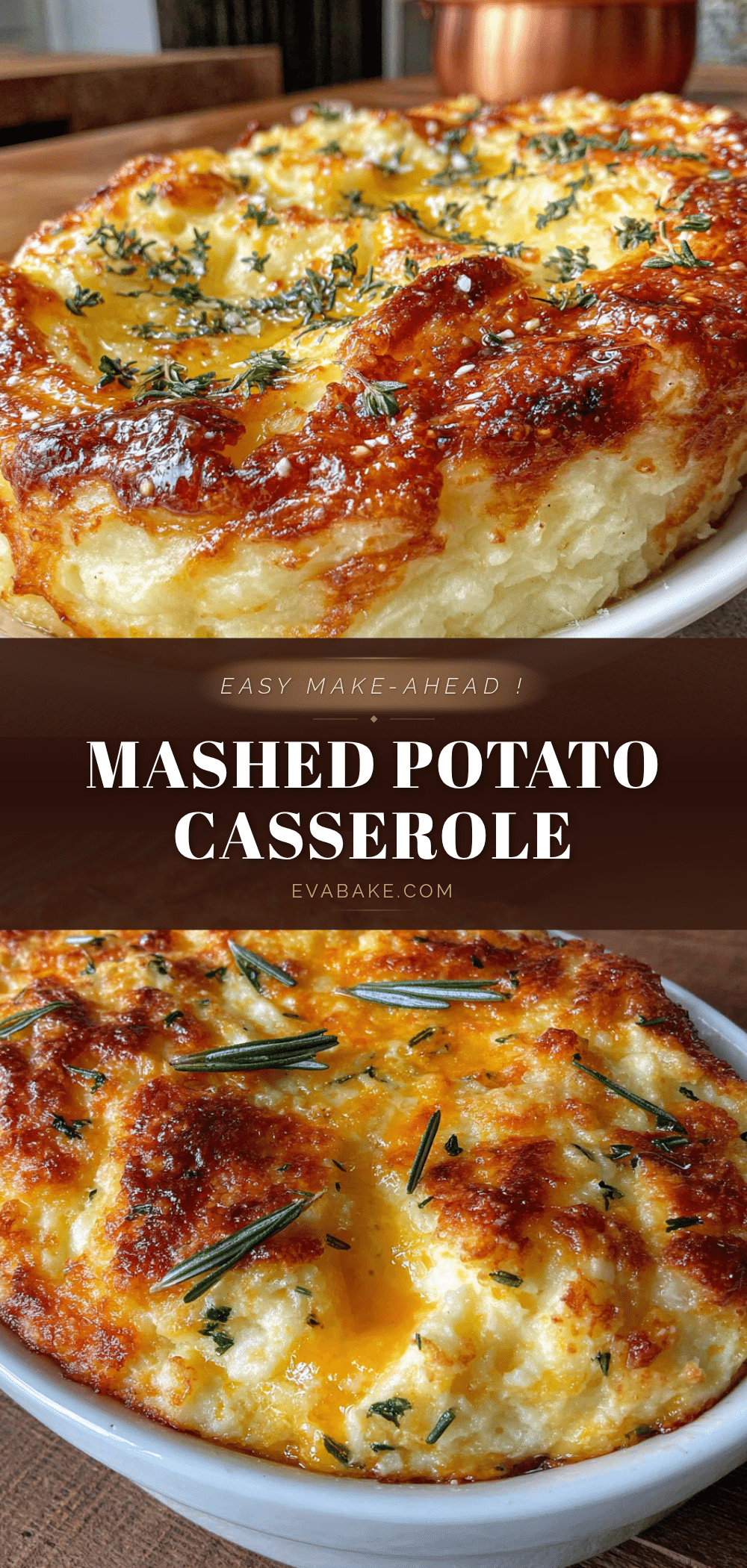
Easy Make Ahead Mashed Potato Casserole (The Best)
This creamy, make-ahead mashed potato casserole is the ultimate comfort food for holidays, potlucks, and busy weeknights. Made with cream cheese, butter, and sour cream, it’s incredibly forgiving and always a hit.
- Prep Time: 20 minutes
- Cook Time: 30 minutes
- Total Time: 50 minutes
- Yield: 12 servings 1x
- Category: Side Dish
- Cuisine: American
Ingredients
- 5 pounds Russet potatoes, peeled and cut into 2-inch chunks
- 8 ounces cream cheese, softened
- 1/2 cup (1 stick) unsalted butter, plus more for the top
- 1/2 cup sour cream
- 1/2 cup whole milk, warmed
- 1 teaspoon garlic powder
- 1 1/2 teaspoons kosher salt
- 1/2 teaspoon black pepper, freshly ground
- Optional toppings: paprika, shredded cheddar cheese, extra butter pats
Instructions
- Prep the Potatoes (10 minutes): Peel the potatoes and cut them into uniform 2-inch chunks. Rinse in cold water to remove excess starch.
- Boil the Potatoes (20-25 minutes): Place potato chunks in a large pot and cover with cold water by about an inch. Add a generous tablespoon of salt. Bring to a boil, then reduce to a simmer. Cook until fork-tender.
- Drain and Steam Dry (5 minutes): Drain potatoes in a colander and let sit for a minute or two to allow excess steam to escape.
- Mash the Potatoes (5 minutes): Return drained potatoes to the pot or a large mixing bowl. Mash until broken down but still slightly chunky.
- Add the Creaminess (5 minutes): Add softened cream cheese, butter, sour cream, warm milk, garlic powder, salt, and pepper. Mash and fold until smooth and creamy. Taste and adjust seasoning.
- Assemble the Casserole (5 minutes): Preheat oven to 350°F (175°C). Grease a 9×13-inch baking dish. Spread potato mixture evenly into the dish. Add optional toppings if desired.
- Bake Immediately or Refrigerate: If serving right away, bake uncovered for 25-30 minutes until heated through and top is lightly golden. If making ahead, cover tightly with foil and refrigerate for up to 2 days.
- Reheating from Cold (45-55 minutes): Remove casserole from fridge while oven preheats. Bake covered with foil for 30 minutes, then remove foil and bake for another 15-20 minutes until hot and golden.
Notes
For fluffiest potatoes, use Russets and don’t over-mash. Warm dairy ingredients to avoid gummy texture. Season in layers for best flavor. Let casserole rest at room temperature for 20 minutes before baking if refrigerated. Leftovers keep for up to 4 days in the fridge and freeze well for up to 3 months.
Nutrition
- Serving Size: 1/12 of casserole
- Calories: 280
- Sugar: 2
- Sodium: 420
- Fat: 16
- Saturated Fat: 10
- Carbohydrates: 30
- Fiber: 2
- Protein: 5
Keywords: mashed potato casserole, make ahead mashed potatoes, creamy mashed potatoes, holiday side dish, potluck recipe, easy mashed potatoes