Sunday night, around ten, and the only thing I want is a plate of these wings. The rest of the house is quiet, the dishwasher humming its final cycle, and I am standing over a bowl of gochujang paste, soy sauce, and honey, stirring until the color deepens into something that looks like sunset trapped in a jar. My fingers are sticky. The kitchen smells like toasted sesame and garlic. And honestly, I wouldn’t change a single thing about this moment.
I never planned to become someone who makes fried chicken on a weeknight. It just sort of happened. A few years ago, I ordered Korean fried chicken from a place downtown and spent the next three days thinking about it. That first bite—crackling, lacquered, sweet and hot all at once—was the kind of experience that makes you close your eyes without meaning to. So I did what any reasonable person would do. I went home and tried to figure out how to make it myself.
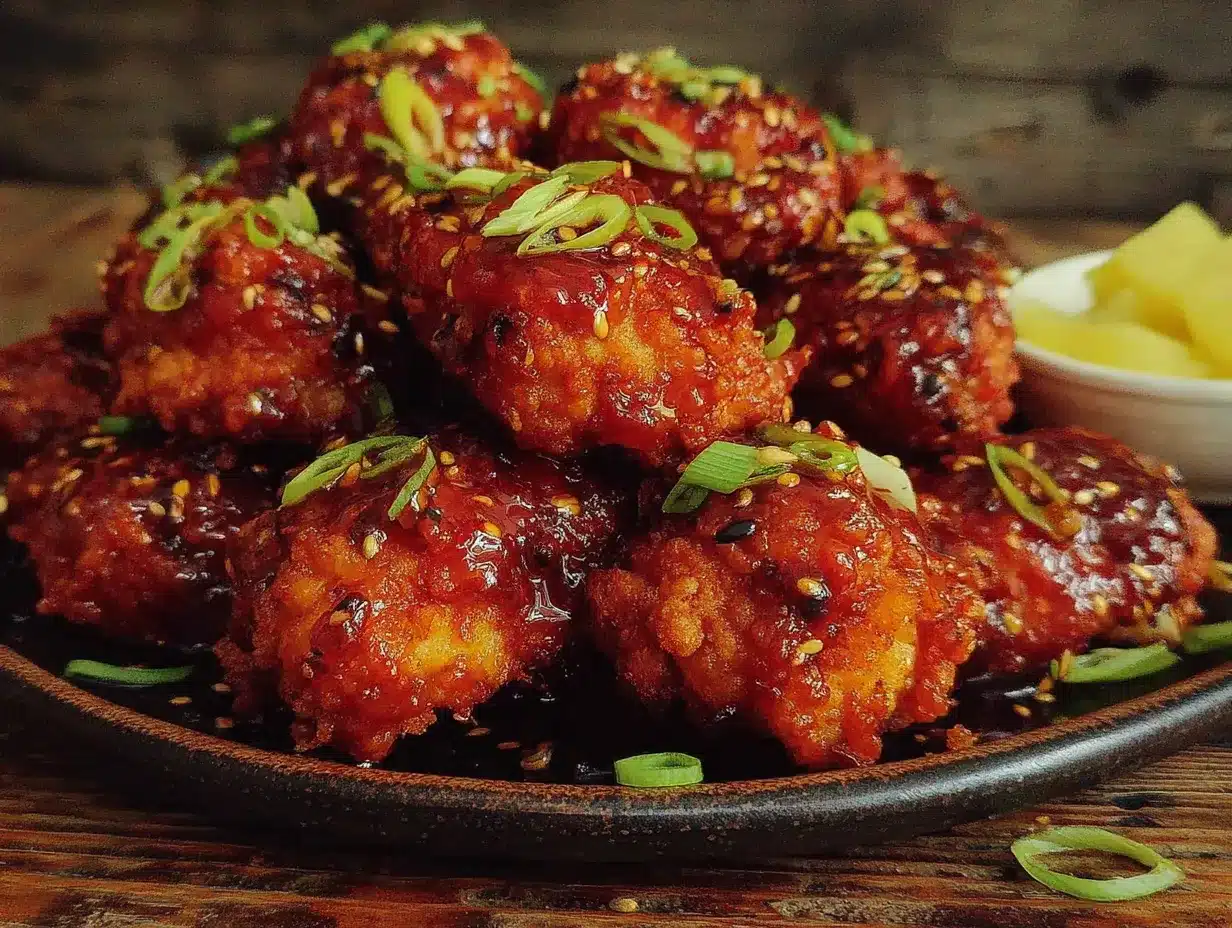
There were failures. A lot of them. Soggy skin, gluey batter, glaze that slid right off. But somewhere between batch number four and batch number seven, I found the rhythm. The double-fry trick. The cornstarch situation. The moment when the glaze goes on and you know, you just know, you have cracked the code. These crispy Korean-style fried chicken wings with gochujang glaze are the result of all that trial and error. They are loud and messy and completely worth every bit of effort.
Why You Will Love This Recipe
I have made these wings for game nights, birthday dinners, and quiet Tuesday nights when I needed something to look forward to. They never last long. Here is why I keep coming back to this version:
- Restaurant-quality crunch at home. The double-fry method gives you that shatteringly crisp exterior without a deep fryer. I tested this across three different stovetops and two different oil thermometers before I felt confident sharing it.
- Perfect balance of sweet and spicy. Gochujang brings the heat, honey rounds it out, and a splash of rice vinegar keeps everything bright. It is the kind of glaze that makes you want to lick the bowl.
- Simple, pantry-friendly ingredients. You do not need specialty equipment or hard-to-find items. Most of these ingredients are available at any well-stocked grocery store now.
- Great for feeding a crowd. These wings scale up beautifully. I have made them for parties of four and parties of twenty, and they disappear just as fast either way.
- Make-ahead friendly. You can fry the wings ahead of time and glaze them right before serving. The crunch holds up better than you would expect.
I remember the first time I served these to my family. My brother, who usually eats wings like he is competing for a trophy, actually paused mid-bite and said, “Wait. These are better than the place downtown.” That moment made up for every burnt batch and sticky countertop. This recipe is not just another version of Korean fried chicken. It is the version I keep coming back to, the one I trust when I need something that delivers every single time.
What Ingredients You Will Need
This recipe uses a short list of ingredients, but each one plays a specific role. Here is what you need and why it matters.
For the Chicken
- 2 pounds chicken wings (about 12 to 14 whole wings, separated into drumettes and flats). I prefer fresh wings over frozen for better texture, but thawed frozen wings work fine too. Pat them very dry with paper towels before you start.
- 1 teaspoon salt (fine sea salt or kosher). This seasons the chicken from the inside out.
- ½ teaspoon white pepper (black pepper works too, but white pepper blends in more smoothly).
For the Batter and Coating
- ½ cup cornstarch (this is the secret to the crunch, not flour). Cornstarch creates a lighter, crispier crust than all-purpose flour.
- ¼ cup all-purpose flour (adds structure to the coating).
- ½ teaspoon baking powder (helps the coating puff up and get extra crispy).
- ½ cup cold water (ice cold is best). The temperature difference between the cold batter and the hot oil creates that shatter effect.
- 1 large egg (binds the batter together).
For the Gochujang Glaze
- ¼ cup gochujang (Korean chili paste). This is the heart of the dish. I use the O’Food brand, which I find has the best balance of heat and sweetness. You can find it in the international aisle of most grocery stores or online.
- 3 tablespoons honey (adds sweetness and helps the glaze stick).
- 2 tablespoons soy sauce (use low-sodium if you are watching salt levels).
- 1 tablespoon rice vinegar (brightens the glaze and cuts through the richness).
- 2 cloves garlic (minced finely).
- 1 teaspoon sesame oil (for that nutty, toasty finish).
- 1 teaspoon grated fresh ginger (optional but highly recommended).
For Garnish
- 1 tablespoon toasted sesame seeds.
- 2 green onions (sliced thin on the diagonal).
If you cannot find gochujang, you can substitute with a mix of sriracha and miso paste, but the flavor will be different. Honestly, I recommend tracking down the real thing. It keeps for months in the fridge and works great in marinades, stews, and even salad dressings. If you enjoy bold, sticky glazes, you might also like these honey sriracha chicken drumettes with crispy sesame slaw for another take on saucy chicken.
Equipment Needed
You do not need a deep fryer for these wings. A heavy-bottomed pot or Dutch oven works perfectly. Here is the full list:
- Large Dutch oven or heavy-bottomed pot (at least 5 quarts). The heavy base helps maintain steady oil temperature.
- Candy or deep-fry thermometer. This is non-negotiable. Guessing the oil temperature leads to soggy or burnt wings.
- Wire rack set inside a baking sheet. This keeps the fried wings crispy while you finish the rest of the batch.
- Tongs (long-handled ones keep your hands safe).
- Large mixing bowls (one for the dry ingredients, one for the batter).
- Small saucepan for the glaze.
- Slotted spoon or spider strainer for removing wings from the oil.
If you do not have a wire rack, you can rest the wings on paper towels, but they will lose some crispness. I learned this the hard way during my early attempts. The rack makes a noticeable difference.
Preparation Method
Take your time with these steps. Rushing the process is the fastest way to end up with disappointing wings.
- Prep the chicken. Pat the wings completely dry with paper towels. Moisture is the enemy of crispiness. Cut the wings at the joint if they are not already separated into drumettes and flats. Toss them with the salt and white pepper, then set aside for 15 minutes at room temperature.
- Make the batter. In a medium bowl, whisk together the cornstarch, all-purpose flour, and baking powder. Add the cold water and egg, then whisk until smooth. The batter should be thin and runny, similar to heavy cream. If it looks too thick, add a tablespoon more cold water.
- Heat the oil. Fill your pot with about 2 inches of vegetable or canola oil. Heat over medium-high until the thermometer reads 350°F (175°C). Do not walk away. Oil heats faster than you think.
- First fry. Working in batches of 6 to 8 pieces, dip each wing into the batter, letting the excess drip off. Carefully lower them into the hot oil. Fry for 7 to 8 minutes, turning occasionally, until pale golden and cooked through. The internal temperature should reach 165°F (74°C). Transfer to the wire rack. Repeat with remaining wings.
- Rest the wings. Let the first-fried wings rest on the rack for at least 10 minutes. This rest period is crucial. It allows the moisture inside to redistribute and the exterior to dry out slightly, which sets you up for maximum crunch in the second fry.
- Second fry. Increase the oil temperature to 375°F (190°C). Fry the wings again in batches for 3 to 4 minutes, until deep golden brown and shatteringly crisp. Transfer back to the wire rack.
- Make the glaze. While the wings are frying, combine the gochujang, honey, soy sauce, rice vinegar, garlic, sesame oil, and ginger in a small saucepan. Warm over low heat, stirring constantly, for 2 to 3 minutes until smooth and slightly thickened. Do not let it boil. Remove from heat.
- Glaze the wings. Place the hot, crispy wings in a large bowl. Pour the warm glaze over them and toss gently with tongs until each wing is evenly coated. Do not let them sit in the glaze too long, or they will soften. Serve immediately.
- Garnish and serve. Sprinkle with toasted sesame seeds and sliced green onions. Serve right away while the coating is still crackling.
I will be honest here. The first time I attempted the double-fry method, I undercooked the first batch and overcooked the second. My kitchen smelled like regret. But once I got the timing right, I realized that extra step is what separates good wings from unforgettable ones. If you enjoy crispy, saucy appetizers, you should try these crispy buffalo chicken flatbreads with blue cheese drizzle for another game-day favorite.
Cooking Tips and Techniques
I have made these wings more times than I can count, and I have picked up a few tricks along the way. Here is what I wish someone had told me from the start.
Dry the chicken thoroughly. This is the single most important step. Any moisture on the skin will steam the coating instead of crisping it. I pat the wings dry, then let them sit uncovered in the fridge for 30 minutes if I have time. This dries out the surface even more.
Do not skip the rest between fries. I know it is tempting to rush through, but that 10-minute rest is where the magic happens. The wings cool slightly, the steam escapes, and the coating firms up. When they hit the hot oil again, they crisp up instantly.
Keep the glaze warm but not hot. If the glaze is too hot when you toss the wings, it will soak into the coating and make it soggy. Warm enough to be fluid, cool enough to touch. I usually take the glaze off the heat while the wings do their second fry.
Work in small batches. Crowding the pot drops the oil temperature too quickly, which leads to greasy, heavy wings. Give each piece room to bubble and move. Trust me, I learned this the frustrating way when I tried to fry a whole batch at once and ended up with sad, limp wings.
Use a thermometer. I cannot stress this enough. Oil temperature fluctuates constantly, and guessing is not reliable. A $10 thermometer will save you from burnt batches and raw centers.
Taste the glaze before you use it. Everyone’s gochujang is a little different. Some brands are spicier, some are sweeter. Adjust the honey or add a pinch of red pepper flakes if you want more heat.
Variations and Adaptations
One of the best things about this recipe is how flexible it is. Here are some ways to make it your own.
Spicier version. Add 1 tablespoon of gochugaru (Korean red pepper flakes) to the glaze, or stir in a teaspoon of sambal oelek. I tried this once when I wanted extra heat, and it was fantastic.
Baked version. If you want to skip the deep-frying, you can bake the wings at 425°F (220°C) on a wire rack set over a baking sheet. Bake for 25 minutes, flip, then bake another 20 minutes until golden and crispy. Brush with glaze and bake for 5 more minutes. The texture will not be quite as shattery, but it is still delicious.
Air fryer adaptation. Cook the battered wings in an air fryer at 375°F (190°C) for 12 to 15 minutes, shaking the basket halfway through. Toss with glaze and return to the air fryer for 2 more minutes. This method works surprisingly well for a lighter version.
Gluten-free option. Replace the all-purpose flour with an equal amount of rice flour or gluten-free all-purpose blend. The texture will be slightly different, but still crispy. I have tested this with rice flour and it holds up beautifully.
Dairy-free note. This recipe is already dairy-free, so no adjustments needed there.
Sweet and tangy version. Swap the honey for brown sugar and add an extra tablespoon of rice vinegar. The glaze becomes more like a Korean-style sweet and sour sauce. I made this for a friend who does not like spicy food, and she asked for the recipe twice.
If you enjoy experimenting with bold flavors, you might also appreciate these flavorful sheet pan nachos with carnitas and street corn for another crowd-pleasing dish.
Serving and Storage Suggestions
These wings are best served immediately, while the coating is still crackling and the glaze is glossy. But here is how to handle leftovers and make-ahead plans.
Serving temperature. Serve hot, straight from the glaze bowl. I like to arrange them on a platter with extra sesame seeds and green onions scattered on top. A side of pickled radish or cucumber slices cuts through the richness beautifully.
What to serve with them. Cold beer is the classic pairing, but soju or a crisp lager works too. For sides, I often serve steamed rice, a simple cabbage slaw, or these crispy beer-battered pickle chips with spicy chipotle ranch dip for an extra crunch factor.
Storing leftovers. Store glazed wings in an airtight container in the refrigerator for up to 3 days. The coating will soften, but the flavor will still be excellent. To reheat, place them on a wire rack over a baking sheet and bake at 375°F (190°C) for 8 to 10 minutes. Do not microwave them. I made that mistake once and ended up with rubbery, sad wings.
Freezing instructions. You can freeze the unglazed, double-fried wings for up to 2 months. Spread them on a baking sheet and freeze until solid, then transfer to a freezer bag. To serve, reheat directly from frozen in a 375°F (190°C) oven for 12 to 15 minutes, then toss with fresh glaze.
How flavors develop. The glaze deepens in flavor overnight. If you have leftovers, the next day’s wings taste even more complex. The heat mellows, the sweetness intensifies, and everything becomes more cohesive. I sometimes make extra just for this reason.
Nutritional Information and Benefits
Let me be clear: these wings are a treat, not a health food. But here is what you should know.
Estimated nutritional values per serving (about 4 to 5 wings): Calories 420, Total Fat 24g, Saturated Fat 5g, Cholesterol 95mg, Sodium 780mg, Total Carbohydrates 28g, Dietary Fiber 1g, Sugars 16g, Protein 22g.
Gochujang is made from fermented soybeans and red chili peppers, which means it contains beneficial probiotics and capsaicin. Capsaicin is the compound that gives chili peppers their heat, and it has been studied for its potential anti-inflammatory properties. Not that I am eating these wings for health reasons, but it is nice to know the glaze brings something beyond flavor.
Chicken wings are a good source of protein and contain essential B vitamins, particularly niacin and vitamin B6, which support energy metabolism. The skin is where most of the fat lives, so if you are watching your intake, you can remove it before battering. But honestly, the skin is where the magic happens.
Dietary considerations. This recipe is dairy-free and nut-free. For gluten-free, use rice flour instead of all-purpose flour. For lower sugar, reduce the honey to 2 tablespoons and add a splash more rice vinegar.
Allergen note. This recipe contains soy (soy sauce) and eggs. If you have soy sensitivity, use coconut aminos instead of soy sauce.
I personally believe that food should be enjoyed without guilt. These wings are not an everyday meal for me, but when I make them, I savor every bite. Balance, not restriction, is what makes a healthy relationship with food.
Conclusion
These crispy Korean-style fried chicken wings with gochujang glaze are the kind of recipe that makes you look forward to cooking again. They are loud, sticky, and deeply satisfying. The double-fry method takes a little extra time, but the payoff is a crunch that stays with you long after the plate is empty.
I have made these wings for quiet nights alone and for crowded tables full of friends. They fit both occasions perfectly. The glaze is forgiving, the technique is learnable, and the result is always worth the effort. If you have never tried making Korean fried chicken at home, let this be your invitation. Start with this recipe, adjust the heat to your liking, and make it your own.
I would love to hear how yours turn out. Did you add extra spice? Try the air fryer version? Serve them with something unexpected? Drop a comment below and let me know. And if you share a photo on social media, tag me so I can see your beautiful, glazed creations. Until next time, happy cooking—and do not forget the napkins.
Frequently Asked Questions
Can I use boneless chicken thighs instead of wings?
Yes, absolutely. Cut boneless, skinless thighs into bite-sized pieces and follow the same battering and frying process. Reduce the first fry time to 5 minutes and the second fry to 2 to 3 minutes. The cooking time will vary depending on the size of your pieces.
Why did my coating fall off during frying?
This usually happens for one of three reasons: the chicken was not dry enough before battering, the oil was not hot enough when you added the wings, or you moved them around too much in the first minute of frying. Let the coating set in the oil for about 60 seconds before touching them.
Can I make the glaze ahead of time?
Yes. The glaze can be made up to 5 days in advance and stored in an airtight container in the refrigerator. Warm it gently on the stovetop or in the microwave before using. You may need to stir in a teaspoon of water if it has thickened too much.
Is gochujang very spicy?
Gochujang has a moderate heat level. It is not as fiery as sriracha or habanero-based sauces. The sweetness from the honey and the richness from the sesame oil balance the heat significantly. If you are sensitive to spice, start with 3 tablespoons of gochujang instead of ¼ cup.
What oil is best for frying these wings?
Use a neutral oil with a high smoke point. Vegetable oil, canola oil, or peanut oil are all excellent choices. Avoid olive oil, which burns at lower temperatures and will leave an off flavor. I personally use peanut oil because it gives the crispiest results.
Pin This Recipe!
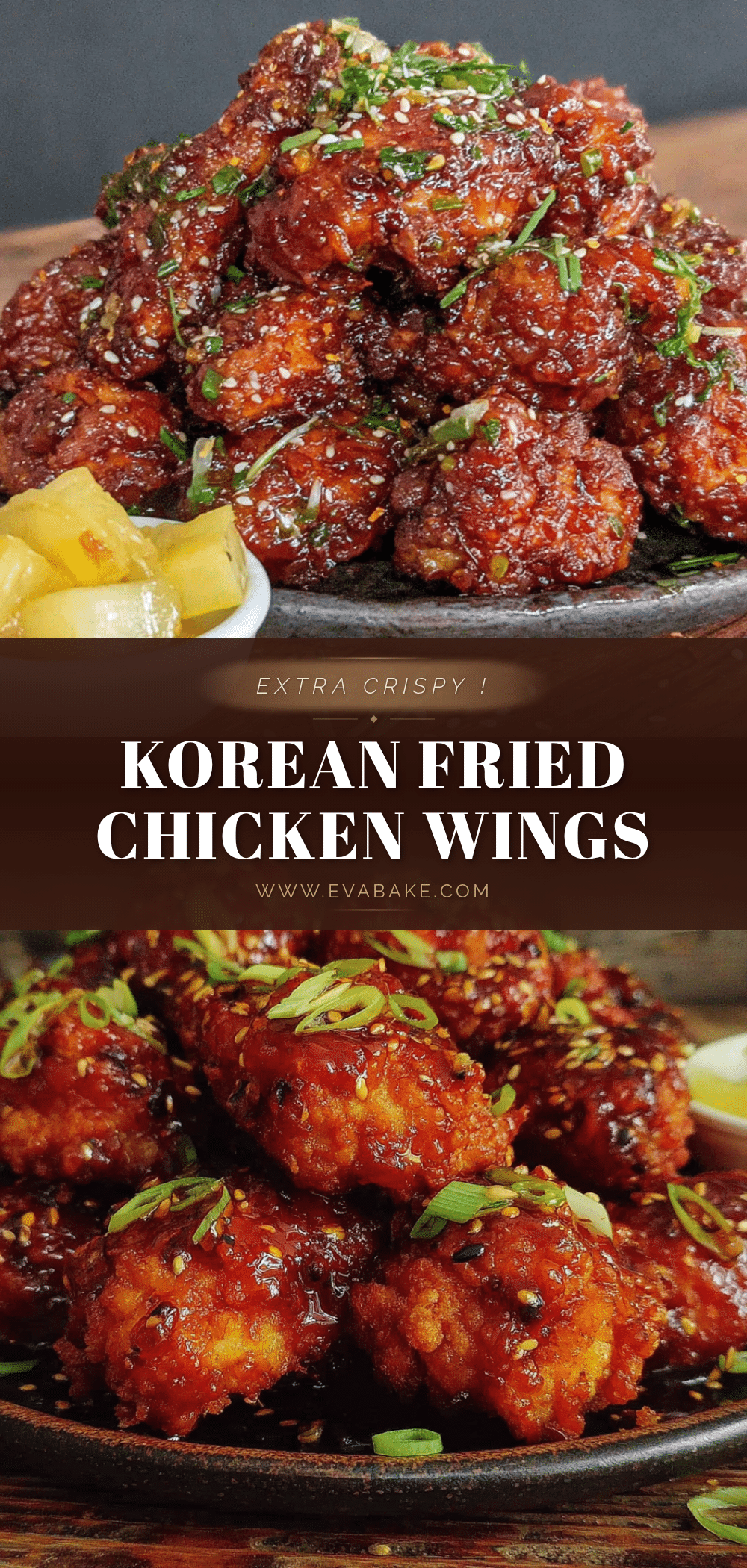
Crispy Korean Fried Chicken Wings with Easy Gochujang Glaze
These crispy Korean-style fried chicken wings with gochujang glaze are loud, sticky, and deeply satisfying. The double-fry method gives you a shatteringly crisp exterior without a deep fryer, and the sweet and spicy glaze is perfectly balanced.
- Prep Time: 15 minutes
- Cook Time: 30 minutes
- Total Time: 45 minutes
- Yield: 4 servings 1x
- Category: Appetizer
- Cuisine: Korean
Ingredients
- 2 pounds chicken wings (about 12 to 14 whole wings, separated into drumettes and flats)
- 1 teaspoon salt (fine sea salt or kosher)
- ½ teaspoon white pepper (black pepper works too)
- ½ cup cornstarch
- ¼ cup all-purpose flour
- ½ teaspoon baking powder
- ½ cup cold water (ice cold is best)
- 1 large egg
- ¼ cup gochujang (Korean chili paste)
- 3 tablespoons honey
- 2 tablespoons soy sauce (low-sodium if desired)
- 1 tablespoon rice vinegar
- 2 cloves garlic (minced finely)
- 1 teaspoon sesame oil
- 1 teaspoon grated fresh ginger (optional but highly recommended)
- 1 tablespoon toasted sesame seeds (for garnish)
- 2 green onions (sliced thin on the diagonal, for garnish)
- Vegetable or canola oil (for frying, about 2 inches depth)
Instructions
- Prep the chicken: Pat the wings completely dry with paper towels. Cut the wings at the joint if not already separated into drumettes and flats. Toss them with the salt and white pepper, then set aside for 15 minutes at room temperature.
- Make the batter: In a medium bowl, whisk together the cornstarch, all-purpose flour, and baking powder. Add the cold water and egg, then whisk until smooth. The batter should be thin and runny, similar to heavy cream. If it looks too thick, add a tablespoon more cold water.
- Heat the oil: Fill your pot with about 2 inches of vegetable or canola oil. Heat over medium-high until the thermometer reads 350°F (175°C).
- First fry: Working in batches of 6 to 8 pieces, dip each wing into the batter, letting the excess drip off. Carefully lower them into the hot oil. Fry for 7 to 8 minutes, turning occasionally, until pale golden and cooked through (internal temperature should reach 165°F/74°C). Transfer to a wire rack. Repeat with remaining wings.
- Rest the wings: Let the first-fried wings rest on the rack for at least 10 minutes.
- Second fry: Increase the oil temperature to 375°F (190°C). Fry the wings again in batches for 3 to 4 minutes, until deep golden brown and shatteringly crisp. Transfer back to the wire rack.
- Make the glaze: While the wings are frying, combine the gochujang, honey, soy sauce, rice vinegar, garlic, sesame oil, and ginger in a small saucepan. Warm over low heat, stirring constantly, for 2 to 3 minutes until smooth and slightly thickened. Do not let it boil. Remove from heat.
- Glaze the wings: Place the hot, crispy wings in a large bowl. Pour the warm glaze over them and toss gently with tongs until each wing is evenly coated. Do not let them sit in the glaze too long, or they will soften. Serve immediately.
- Garnish and serve: Sprinkle with toasted sesame seeds and sliced green onions. Serve right away while the coating is still crackling.
Notes
Dry the chicken thoroughly for maximum crispiness. Do not skip the rest between fries. Keep the glaze warm but not hot when tossing with wings. Work in small batches to maintain oil temperature. Use a thermometer for accurate oil temperature. Taste the glaze before using and adjust sweetness or heat as needed.
Nutrition
- Serving Size: 4 to 5 wings
- Calories: 420
- Sugar: 16
- Sodium: 780
- Fat: 24
- Saturated Fat: 5
- Carbohydrates: 28
- Fiber: 1
- Protein: 22
Keywords: Korean fried chicken, crispy chicken wings, gochujang glaze, double-fry, game day appetizer, spicy chicken wings