“You’re making onigiri again? For meal prep?” my friend asked, raising an eyebrow as she peeked into my fridge. I chuckled, knowing full well how many times I’d whipped up these Easy Flavorful Salmon Onigiri Rice Balls in the past month. Honestly, it started as a last-minute grab when I was scrambling one hectic Sunday afternoon, with barely any ingredients and zero energy to cook a proper meal. I tossed some leftover cooked salmon, a bit of soy sauce, and sticky Japanese rice together, shaping them into neat little triangles. The first bite? Pure comfort wrapped in a simple package.
Since then, these salmon onigiri have become my go-to for quick lunches and busy days. They’re not just rice balls — they’re a little moment of flavor that keeps me going. What’s wild is how something so straightforward can taste so satisfying, almost like a quiet hug from the kitchen. No fuss, no fancy gadgets, just a few ingredients working in harmony. I never expected these salmon onigiri to become a staple, but here we are, and honestly, I’m glad they did.
There’s something calming about shaping the rice gently in your hands, feeling the warmth, and knowing you’ve got a meal ready to grab whenever hunger strikes. It’s perfect for meal prep — no messy containers, no last-minute cooking, just grab and go. Plus, they travel well, which makes them my favorite for workdays or days when I’m running between errands. If you’ve ever wondered how to make a flavorful, fuss-free packed meal that feels special, these salmon onigiri rice balls might just be your new best friend.
Why You’ll Love This Recipe
- Quick & Easy: Comes together in under 30 minutes, making it ideal for those hectic mornings or lazy afternoons when you still want a homemade meal.
- Simple Ingredients: No exotic grocery hunts required—just sticky rice, cooked salmon, and pantry staples like soy sauce and sesame oil.
- Perfect for Meal Prep: These salmon onigiri rice balls keep well in the fridge and freeze beautifully for grab-and-go meals throughout the week.
- Crowd-Pleaser: Kids, coworkers, or friends love these — they’re mild but flavorful, with a satisfying texture.
- Unbelievably Delicious: The combination of tender salmon, lightly seasoned rice, and a hint of sesame feels like comfort food without weighing you down.
What sets this recipe apart is the balance of flavor and texture. Instead of just mixing in plain salmon, I like to gently flake it and mix it with a bit of soy sauce, a touch of mirin (or honey if you don’t have mirin), and toasted sesame seeds. This elevates the filling from bland to memorable without extra effort. Also, shaping the onigiri with slightly warm rice keeps the outside soft and the inside savory — not dry or crumbly. I’ve tweaked this recipe after several tries, including adjusting rice-to-salmon ratio and seasoning, so it’s just right for meal prep purposes.
It’s not just about the taste, though. These salmon onigiri rice balls feel like a little pause — a quick break where you can enjoy something wholesome, satisfying, and fuss-free. Whether you’re packing lunch for work or need a simple dinner after a long day, they fit right in, making life a bit easier and more delicious.
What Ingredients You Will Need
This recipe uses simple, wholesome ingredients to deliver bold flavor and satisfying texture without the fuss. Most of these are pantry staples or easy to find at your local grocery store or Asian market.
- Japanese short-grain rice (2 cups / 360g): The key to perfect onigiri is sticky rice that holds together well. I prefer brands like Nishiki or Koshihikari for that ideal texture.
- Cooked salmon (about 1 cup / 150g): Flaked into bite-sized pieces. Use fresh-cooked salmon or even canned salmon in a pinch (just drain well).
- Soy sauce (2 tablespoons): Adds umami and seasoning to the salmon filling. Low-sodium works if you want less salt.
- Mirin (1 tablespoon): Sweet rice wine that balances the soy sauce. If you don’t have mirin, substitute with a teaspoon of honey or sugar plus a splash of water.
- Toasted sesame seeds (1 tablespoon): Gives a nutty aroma and little crunch in every bite.
- Salt (to taste): For seasoning the rice lightly.
- Rice vinegar (1 teaspoon): Optional, but it adds a subtle tang and keeps the rice from being too sticky.
- Optional nori sheets: Cut into strips or squares, perfect for wrapping the onigiri or adding a salty crunch.
- Water (for cooking rice): Use the proper amount according to your rice cooker or pot instructions.
For substitutions, brown rice can be used but expect a denser texture. Also, if you want a dairy-free or vegan version, try mashed chickpeas or sautéed mushrooms instead of salmon. But honestly, the salmon flavor here is a crowd favorite. I like to buy wild-caught salmon when possible for that fresh, clean taste that really shines in this simple dish.
Equipment Needed
- Rice cooker or heavy-bottomed pot: Essential for perfectly cooked Japanese rice. If you don’t have a rice cooker, a pot with a tight-fitting lid works fine — just watch the water ratio carefully.
- Bowl for mixing: To combine flaked salmon with seasoning.
- Plastic wrap or onigiri mold (optional): Plastic wrap works great for shaping rice balls without sticking to your hands. Onigiri molds are easy to find online and speed up the process, especially if you’re making a batch.
- Measuring cups and spoons: For accuracy, especially with rice and seasonings.
- Knife and cutting board: To slice nori sheets or prepare salmon.
Personally, I’ve tried hand-shaping onigiri both with and without molds. While molds make things quicker and more uniform, hand-shaping adds a personal touch and lets you feel when the rice is just right. If you pick up an onigiri mold, keep it clean and dry to prevent any sticking. For budget-friendly meal preppers, plastic wrap and your hands are totally enough.
Preparation Method
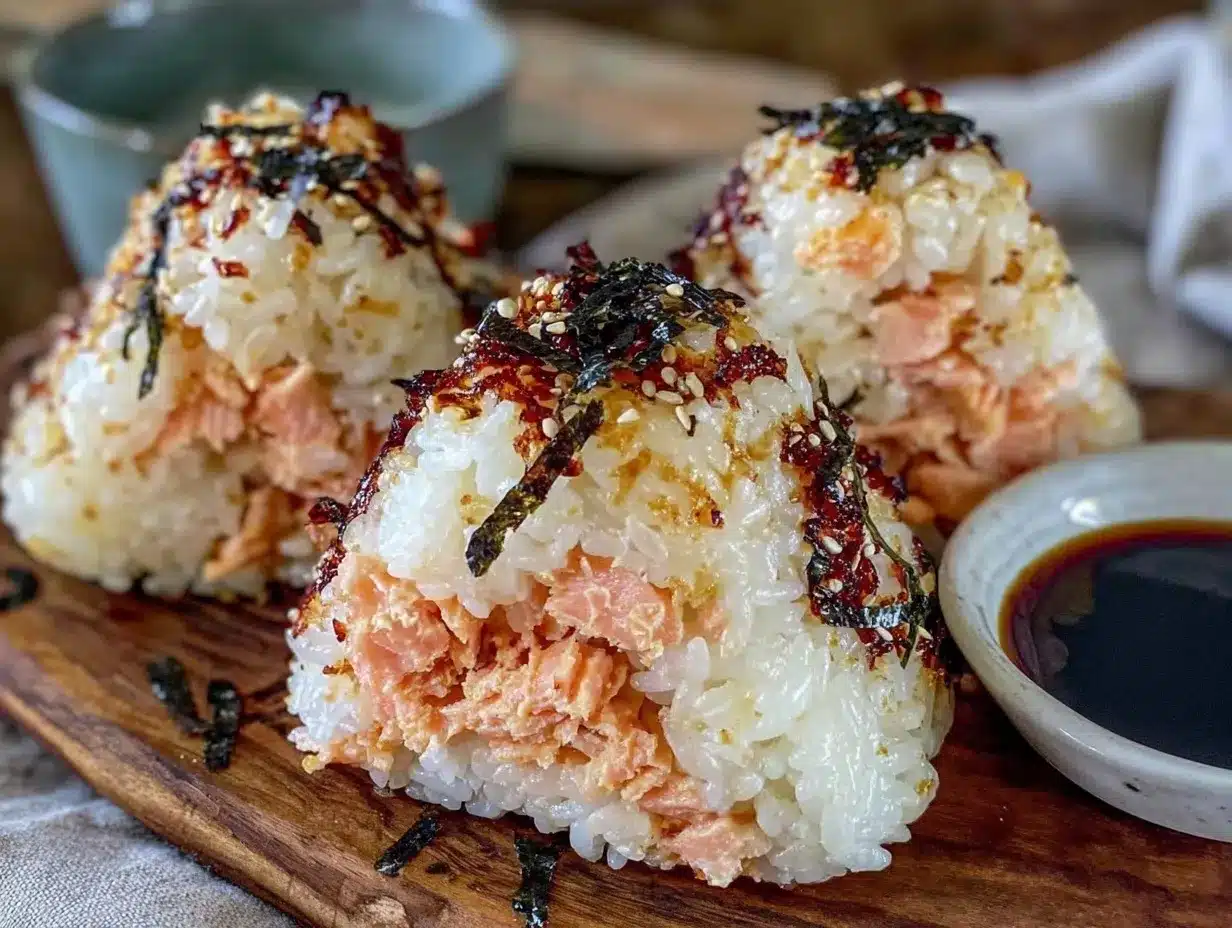
- Cook the rice: Rinse 2 cups (360g) of Japanese short-grain rice under cold water until the water runs clear. This removes excess starch and prevents overly sticky rice. Drain well, then add the rice and 2 ½ cups (600ml) of water to your rice cooker or pot. Cook according to your appliance instructions (about 20 minutes). Once cooked, let it rest covered for 10 minutes to finish steaming.
- Prepare the salmon filling: While the rice cooks, flake about 1 cup (150g) of cooked salmon into a bowl, removing any bones or skin if desired. Stir in 2 tablespoons soy sauce, 1 tablespoon mirin (or honey substitute), and 1 tablespoon toasted sesame seeds. Mix gently to combine. Taste and adjust seasoning if needed.
- Season the rice: Transfer the cooked rice to a large bowl. Sprinkle 1 teaspoon salt and 1 teaspoon rice vinegar over the rice, then gently fold with a wooden spatula or rice paddle. This adds subtle flavor and keeps the rice from clumping too much. Let the rice cool slightly until warm but not hot — this prevents burning your hands when shaping.
- Shape the onigiri: Wet your hands with water and rub a small pinch of salt on your palms to season and prevent sticking. Scoop about ½ cup (90g) of rice into your hand, flatten slightly, and place 1 tablespoon of the salmon mixture in the center. Fold the rice over the filling, then gently press to form a triangle or oval shape. Don’t squeeze too hard; the rice should hold together but stay fluffy. Repeat for each onigiri.
- Add nori wrap (optional): If you like, wrap a strip or square of nori around the formed rice ball. This adds texture and flavor, plus it helps keep your hands clean while eating.
- Store or serve: Place the finished salmon onigiri on a plate or container lined with parchment paper if storing. They can be eaten immediately or packed for later.
Tip: If the rice cools too much and becomes harder to shape, microwave it briefly for 15-20 seconds to soften. Also, experiment with your rice-to-filling ratio to find your favorite balance—some like a little more salmon, others prefer more rice.
Cooking Tips & Techniques
One trick I learned the hard way is to never skip rinsing the rice. Starchy rice leads to mushy onigiri that fall apart. So rinse until the water runs clear—that’s key. Another tip is about hand moisture: always keep your hands damp but not soaking wet when shaping rice balls, or else the rice sticks like crazy. A tiny pinch of salt rubbed on your palms helps with flavor and prevents sticking too.
When mixing the salmon filling, be gentle to keep those delicate flakes intact. Overmixing can turn it into a paste, which is great for spreads but not for onigiri texture. Also, if you’re prepping these ahead, wrap them tightly in plastic wrap or store in an airtight container to keep moisture in and stop the rice from drying out.
Timing matters, too. Shape the onigiri while the rice is still warm (not hot) for best results. If you wait too long, the rice cools and becomes less sticky, making shaping tricky. When reheating leftovers, microwave with a damp paper towel over the rice ball to restore moisture and softness.
Lastly, I’ve found that adding a little toasted sesame oil to the salmon mix adds a subtle nutty depth that makes these onigiri stand out. It’s a small detail but worth experimenting with.
Variations & Adaptations
- Spicy Salmon Onigiri: Mix in a teaspoon of Sriracha or Japanese chili mayo to the salmon filling for a kick of heat. This variation is a personal favorite when I want something with a bit more punch.
- Vegetarian Version: Swap the salmon for a mix of sautéed shiitake mushrooms and diced grilled eggplant, seasoned with soy sauce and sesame oil. It’s surprisingly satisfying and perfect if you want a plant-based option.
- Seasonal Twist: In spring or summer, add finely chopped shiso leaves or fresh herbs into the rice for a refreshing flavor. For winter, a sprinkle of furikake (Japanese rice seasoning) adds warmth and extra umami.
- Cooking Method: Instead of plain cooked salmon, try using smoked salmon or leftover teriyaki salmon for a richer taste. You can also pan-sear the onigiri lightly in a non-stick skillet with a bit of oil for a crispy exterior—this makes a fantastic snack.
- Allergen-Free: Use tamari instead of soy sauce for gluten-free needs. For sesame allergies, omit the seeds and oil and add a touch of toasted coconut flakes for texture.
Serving & Storage Suggestions
These salmon onigiri rice balls are best enjoyed warm or at room temperature. They make a perfect handheld snack or lunch, especially paired with pickled vegetables or a crisp side salad. For a comforting meal, serve alongside a bowl of miso soup or a light cucumber and seaweed salad.
To store, place the onigiri in an airtight container lined with parchment paper to prevent sticking. They keep well in the fridge for up to 3 days. For longer storage, wrap each rice ball tightly in plastic wrap and freeze them individually. When you want to eat, thaw in the fridge overnight and warm gently in the microwave with a damp paper towel.
Flavors tend to mellow and blend after a day, so leftovers can taste even better the next day. Just avoid storing them too long or the rice can dry out. Nori strips are best added fresh before eating, as they get soggy in storage.
Nutritional Information & Benefits
Each salmon onigiri rice ball provides a balanced mix of carbs from the sticky rice and protein plus healthy fats from the salmon. Salmon is rich in omega-3 fatty acids, which support heart and brain health, along with vitamin D and selenium. The sesame seeds contribute antioxidants and minerals like calcium and magnesium.
This recipe is naturally gluten-free if you use tamari instead of soy sauce, and low in added sugars. The onigiri are filling but not heavy, making them great for a light lunch or snack. Just watch portion sizes if you’re mindful of carbohydrate intake, as rice is the primary energy source here.
Personally, I appreciate how this dish feels nourishing without being complicated or overly rich — a simple pleasure that fits well with a balanced lifestyle.
Conclusion
Easy Flavorful Salmon Onigiri Rice Balls are one of those recipes that stick with you—not because they’re flashy, but because they’re perfectly suited for everyday life. Whether you’re meal prepping for a busy week or just craving a simple, satisfying bite, these rice balls deliver comfort, taste, and convenience all in one.
I love how customizable they are, letting you tweak seasonings or fillings to suit your mood or pantry. They’ve become a reliable staple in my kitchen, saving me from last-minute meal dilemmas and giving me something delicious to look forward to. If you give them a try, I’d love to hear how you make them your own or what variations you discover.
Here’s to simple meals that don’t skimp on flavor or soul.
FAQs
Can I use canned salmon instead of fresh cooked salmon?
Yes, canned salmon works well if drained properly. Just be sure to remove any large bones and adjust seasoning since canned salmon can be saltier.
How long do salmon onigiri keep in the fridge?
They keep fresh for about 3 days when stored in an airtight container. For longer storage, freezing is recommended.
What’s the best way to reheat onigiri?
Microwave with a damp paper towel over the rice ball for 30-45 seconds to restore moisture and softness.
Can I make onigiri without an onigiri mold?
Absolutely! Hand-shaping is traditional and gives a nice personal touch. Just wet your hands and gently press the rice into a triangle or oval shape.
Is it okay to add other fillings besides salmon?
Definitely! Tuna mayo, pickled plum (umeboshi), or cooked vegetables are popular alternatives. Feel free to experiment with flavors you like.
On a side note, if you enjoy simple comforting meals, you might find the hearty chicken tortilla soup or the creamy turmeric golden milk latte recipes refreshing companions for your culinary rotation.
Pin This Recipe!
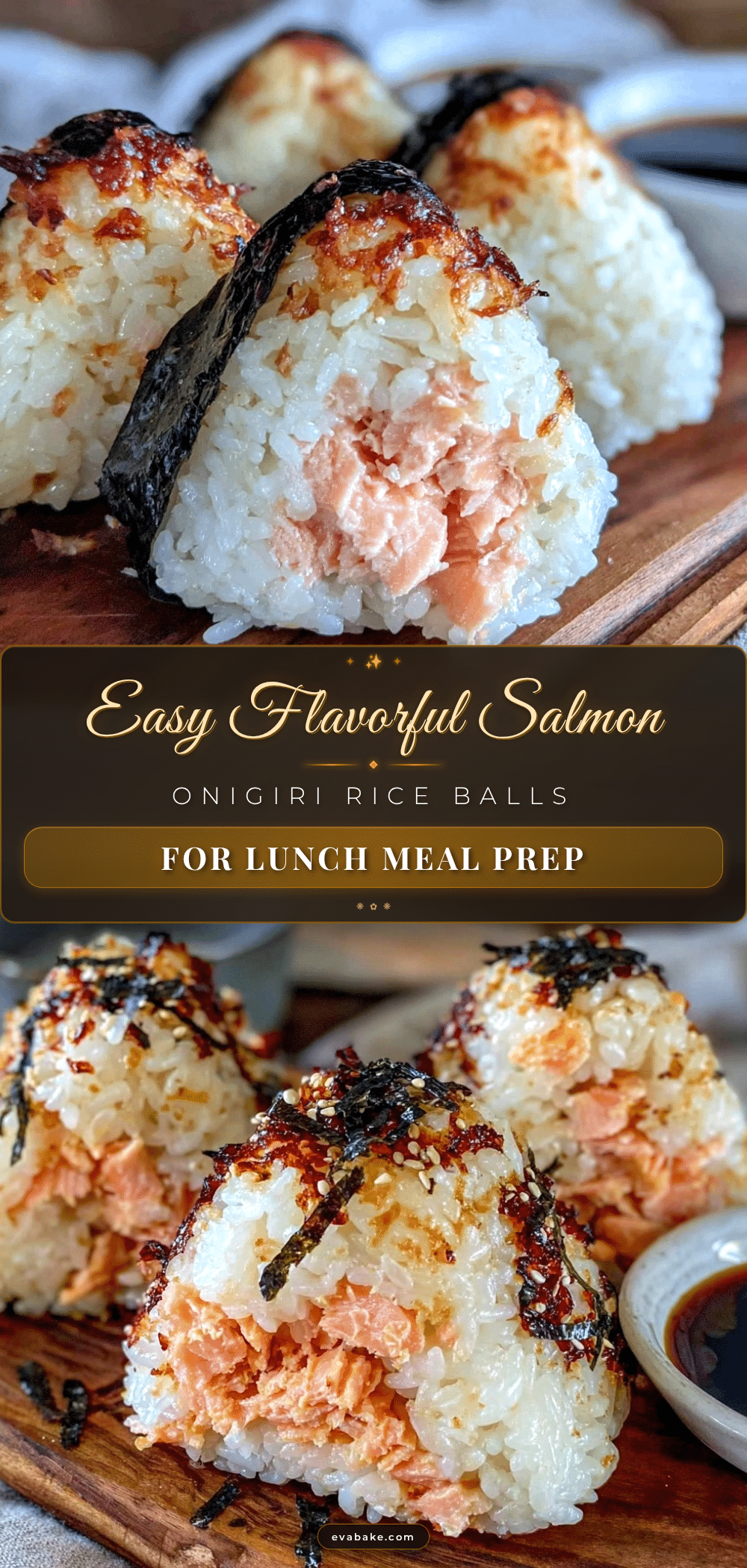
Easy Flavorful Salmon Onigiri Rice Balls
These salmon onigiri rice balls are a quick, easy, and flavorful meal prep option featuring sticky Japanese rice and seasoned cooked salmon, perfect for grab-and-go lunches or snacks.
- Prep Time: 10 minutes
- Cook Time: 20 minutes
- Total Time: 30 minutes
- Yield: 6 servings 1x
- Category: Main Course
- Cuisine: Japanese
Ingredients
- 2 cups (360g) Japanese short-grain rice
- 1 cup (150g) cooked salmon, flaked
- 2 tablespoons soy sauce
- 1 tablespoon mirin (or 1 teaspoon honey plus a splash of water)
- 1 tablespoon toasted sesame seeds
- Salt to taste
- 1 teaspoon rice vinegar (optional)
- Optional nori sheets, cut into strips or squares
- Water for cooking rice
Instructions
- Rinse 2 cups (360g) of Japanese short-grain rice under cold water until the water runs clear. Drain well.
- Add the rinsed rice and 2 ½ cups (600ml) of water to a rice cooker or pot. Cook according to appliance instructions (about 20 minutes). Let rest covered for 10 minutes after cooking.
- While the rice cooks, flake 1 cup (150g) cooked salmon into a bowl, removing bones and skin if desired.
- Mix the salmon with 2 tablespoons soy sauce, 1 tablespoon mirin (or honey substitute), and 1 tablespoon toasted sesame seeds. Adjust seasoning to taste.
- Transfer cooked rice to a large bowl. Sprinkle 1 teaspoon salt and 1 teaspoon rice vinegar over the rice and gently fold to combine. Let the rice cool until warm but not hot.
- Wet your hands with water and rub a small pinch of salt on your palms to prevent sticking.
- Scoop about ½ cup (90g) of rice into your hand, flatten slightly, place 1 tablespoon of salmon mixture in the center, fold the rice over the filling, and gently press to form a triangle or oval shape. Repeat for each onigiri.
- Optionally, wrap a strip or square of nori around each rice ball.
- Place finished onigiri on a plate or container lined with parchment paper. Eat immediately or store for later.
Notes
Rinse rice thoroughly to remove excess starch for better texture. Keep hands damp and salted when shaping to prevent sticking. Shape onigiri while rice is warm for best results. Store in airtight container lined with parchment paper. Freeze individually wrapped for longer storage. Add nori just before eating to avoid sogginess. Microwave with damp paper towel to reheat.
Nutrition
- Serving Size: 1 salmon onigiri ric
- Calories: 180
- Sugar: 1
- Sodium: 400
- Fat: 5
- Saturated Fat: 1
- Carbohydrates: 25
- Fiber: 1
- Protein: 8
Keywords: salmon onigiri, rice balls, Japanese rice balls, meal prep, easy salmon recipe, sticky rice, onigiri recipe, salmon rice balls