I burned the first batch of this Easy Small Batch Fig and Balsamic Rosemary Jam not once, but twice before I figured out the right balance. Honestly, I never thought I’d be the jam-making type—too impatient and frankly, a bit clumsy with timing. But figs, with their jammy sweetness and tiny seeds, always intrigued me. The first tries were sticky disasters, either too runny or scorched at the bottom of the pot. What surprised me, though, was how the balsamic vinegar and rosemary transformed the humble fruit into something unexpectedly complex and sophisticated.
There’s a moment in every cooking experiment where you realize that patience isn’t just a virtue—it’s a necessity. Stirring that simmering pot, catching the scent of rosemary and caramelized figs mingling, it felt like something special was happening. This jam isn’t your average sweet spread; it carries a rustic vibe, a little tang, and an herbaceous twist that makes it perfect for more than just toast.
What’s stuck with me is how this small batch recipe fits into everyday life—not a huge project, but a quick, rewarding way to preserve a bit of seasonal magic. I find myself reaching for it to brighten a breakfast or to add a surprising note to cheese plates. It’s become a pantry staple I didn’t expect to love this much, mostly because it balances sweet, tart, and savory so effortlessly. And that’s why I keep coming back to it.
Why You’ll Love This Recipe
Making this Easy Small Batch Fig and Balsamic Rosemary Jam is a straightforward delight, tested through a few trial-and-error moments to get it just right. I’ve had it on hand for impromptu gatherings and quiet weekend mornings, and it always impresses without demanding hours in the kitchen.
- Quick & Easy: Takes about 40 minutes from start to finish, ideal for a spontaneous cooking project.
- Simple Ingredients: Uses fresh figs, pantry staples like sugar, and a few fresh herbs—no specialty shopping required.
- Perfect for Entertaining: Adds a gourmet touch to cheese boards, charcuterie, or even roasted meats.
- Crowd-Pleaser: The subtle tang from balsamic vinegar and the fragrant hint of rosemary make it a standout, even for picky eaters.
- Unbelievably Delicious: The texture is jammy yet chunky, with layers of flavor that develop the longer it sits.
This isn’t just another fig jam recipe. I found that balancing the acidity of balsamic vinegar with the piney freshness of rosemary creates a nuanced flavor that sticks with you. The rosemary isn’t overpowering—it adds just the right herbal lift that makes this jam versatile beyond breakfast. Plus, making it in a small batch means you don’t end up with a giant jar you won’t finish in time.
It’s the kind of recipe you’ll want to keep around for casual snacking or to impress friends without breaking a sweat. It’s comfort food with a twist, and honestly, that’s the best kind of recipe to have in your repertoire.
What Ingredients You Will Need
This recipe uses simple, wholesome ingredients to deliver bold flavor and satisfying texture without the fuss. Most are pantry staples or easy to find at your local market, and you can swap a few items to fit your needs.
- Fresh figs (about 1 pound / 450 grams, ripe but firm) – Look for figs that give slightly when pressed but aren’t mushy.
- Granulated sugar (½ cup / 100 grams) – You can adjust sweetness to taste; organic cane sugar works well.
- Balsamic vinegar (2 tablespoons) – Use a good-quality aged balsamic for richer flavor; it adds depth without overpowering.
- Fresh rosemary (1 sprig) – Strip the needles and bruise them slightly to release oils; dried rosemary can substitute but fresh is best.
- Lemon juice (1 tablespoon, fresh squeezed) – Adds brightness and aids in preservation.
- Water (¼ cup / 60 ml) – Helps to gently cook the figs and prevent burning.
- Optional: A pinch of sea salt to balance the sweetness.
For substitutions, if you want a gluten-free or vegan-friendly spread, this recipe already fits the bill as is. If fresh figs aren’t in season, you can try dried figs rehydrated in warm water, but fresh is definitely preferable. And if you don’t have balsamic vinegar, a good red wine vinegar with a touch of honey can work, but it won’t have quite the same richness.
I personally prefer figs from local farmers’ markets when available—they tend to be fresher and more flavorful. If you’re curious about pairing, this jam goes beautifully with the tangy lemon glaze on my moist blueberry zucchini bread, creating a lovely sweet-savory contrast.
Equipment Needed
You don’t need fancy kitchen gear for this jam, just some basics that you probably already have on hand.
- Medium non-stick or heavy-bottomed saucepan: Helps prevent burning and ensures even cooking.
- Wooden spoon or silicone spatula: For stirring—something sturdy and heat-resistant.
- Measuring cups and spoons: Accuracy matters for sugar and vinegar balance.
- Small sterilized jar or container: To store your jam once it’s ready.
- Fine mesh strainer (optional): If you prefer a smoother texture by straining out seeds, but I like the rustic feel of keeping them.
If you don’t have a heavy-bottomed pan, just be extra vigilant stirring so the jam doesn’t scorch. I’ve made it in a regular saucepan, but it took a bit more elbow grease. For storage, I use small Mason jars, which can be found cheaply and keep the jam fresh for weeks in the fridge.
Preparation Method
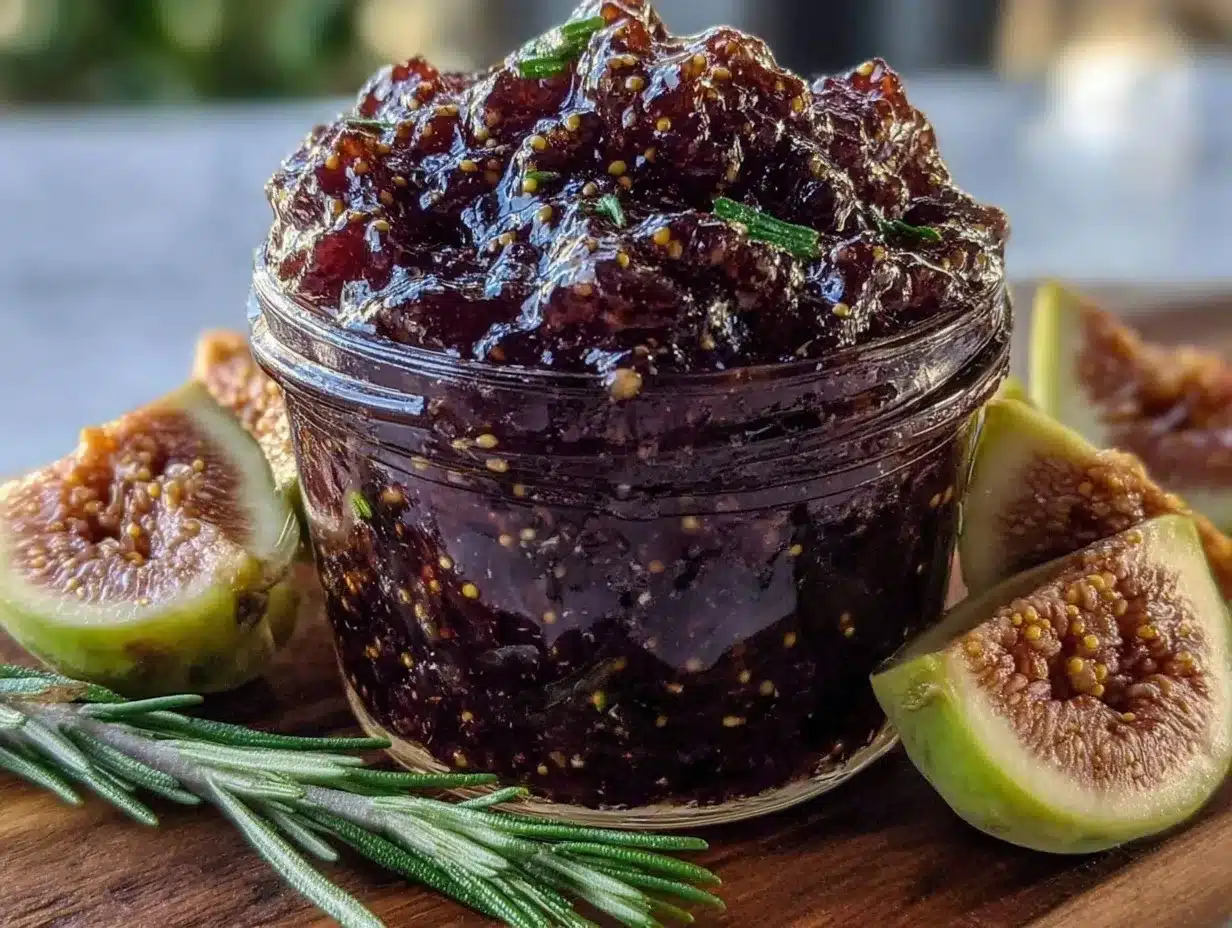
- Prepare the figs: Rinse 1 pound (450 grams) of fresh figs gently, then pat dry. Remove the stems and chop the figs into quarters or smaller pieces depending on your desired jam chunkiness. This should take about 5 minutes.
- Combine ingredients: In your saucepan, combine the chopped figs, ½ cup (100 grams) granulated sugar, ¼ cup (60 ml) water, 2 tablespoons balsamic vinegar, and 1 tablespoon fresh lemon juice. Add a pinch of sea salt if using. Stir gently to mix everything evenly.
- Add rosemary: Bruise 1 sprig of fresh rosemary by gently crushing it with the back of a spoon or your fingers to release the oils. Toss it into the saucepan.
- Cook the jam: Place the pan over medium heat and bring the mixture to a gentle boil, stirring occasionally to prevent sticking. Once boiling, reduce the heat to low and let it simmer uncovered. Stir frequently—every 5 minutes or so—to avoid burning, especially as the sugar thickens. This simmering process should take about 25-30 minutes.
- Check consistency: The jam is ready when it has thickened enough to coat the back of a spoon and the figs have softened but still hold some shape. To test, dip a spoon and run your finger through the jam on the spoon’s back—if it leaves a clear line, it’s done.
- Remove rosemary: Carefully fish out the rosemary sprig and discard. Taste the jam and adjust sweetness or acidity if needed by adding a splash more lemon juice or a pinch more sugar.
- Cool and store: Let the jam cool to room temperature in the pan. Then transfer it to a sterilized jar or airtight container. Refrigerate and use within 2-3 weeks.
Pro tip: Stirring continuously near the end of cooking helps prevent hot spots and keeps the jam from sticking. I often find that the jam thickens a bit more as it cools, so don’t overcook it. If you want a smoother texture, you can gently mash the figs with the back of a spoon during cooking or use a hand blender for a few pulses.
Cooking Tips & Techniques
Jam-making sounds intimidating, but with a few tips, it’s surprisingly approachable. For this fig jam, here’s what I learned the hard way:
- Don’t rush the simmer: Low and slow is key. High heat scorched my last batch, so patience is your friend.
- Fresh rosemary matters: The herb should smell vibrant and piney. Avoid brown or dry sprigs, as they can give a bitter flavor.
- Watch the sugar: Adjust sweetness gradually. Figs vary in natural sugar, so taste as you go.
- Prevent sticking: Use a heavy-bottomed pan if possible, and stir often, especially toward the end.
- Test the set: The spoon test is reliable. Remember, the jam will thicken more as it cools, so avoid overcooking.
- Multitasking while simmering: This jam can simmer unattended for short periods, but keep an ear out for bubbling sounds and visually check every few minutes.
I once tried blending the jam completely smooth, but honestly, I prefer the rustic texture with fig pieces and seeds—it gives it character and makes it more interesting on the palate.
Variations & Adaptations
This recipe is a great base to tweak depending on your tastes or pantry availability. Here are some of my favorite variations:
- Herbal swaps: Substitute rosemary with thyme or lavender for a floral twist.
- Sweetener alternatives: Use honey or maple syrup instead of granulated sugar for a different sweetness profile.
- Fruit blends: Mix in chopped pears or apples for added texture and subtle flavor complexity.
- Spices: Add a pinch of cinnamon or ginger during cooking for warmth.
- Cooking method: You can also prepare this jam in a slow cooker on low for 2-3 hours, stirring occasionally, if you prefer hands-off cooking.
One variation I tried was adding a splash of bourbon at the end of cooking, which gave the jam a smoky depth that paired beautifully with sharp cheeses. For those with allergies, this jam is naturally gluten-free and vegan. If you want a lower sugar version, reduce the amount by half and add a little extra lemon juice to balance acidity.
Serving & Storage Suggestions
This fig and balsamic rosemary jam shines served at room temperature, which lets the flavors open up fully. Spread it on toasted rustic bread or bagels for breakfast, or dollop on soft cheeses like goat cheese or ricotta. It’s also fantastic paired with charcuterie—try it alongside cured meats and nuts.
For storage, keep the jam refrigerated in a clean, airtight jar. It will stay fresh for up to three weeks. You can freeze small portions in silicone molds or ice cube trays, then transfer the frozen cubes to freezer bags for longer storage (up to 3 months). Thaw in the fridge overnight before using.
When reheated gently on the stove or in the microwave, the jam regains its spreadable texture. Flavors develop even further as it rests, so if you can wait a day or two after making it, that patience pays off.
If you enjoy fresh, summery flavors, this jam complements the bright notes in my fresh watermelon feta mint salad with balsamic reduction perfectly, balancing sweet and savory beautifully.
Nutritional Information & Benefits
Each 2-tablespoon (about 30 grams) serving of this fig jam contains roughly:
| Calories | 60 kcal |
|---|---|
| Carbohydrates | 15 g |
| Sugars | 13 g |
| Fiber | 1.5 g |
| Fat | 0 g |
| Protein | 0.3 g |
Figs provide dietary fiber and natural antioxidants, while rosemary adds compounds with anti-inflammatory properties. Balsamic vinegar may aid digestion and adds trace minerals. This jam is gluten-free, vegan, and free from artificial preservatives, making it a wholesome pantry addition.
I appreciate having this jam on hand as a way to enjoy a fruit-based treat without processed ingredients or excess additives. Plus, the small batch size means less waste and fresher flavor.
Conclusion
This Easy Small Batch Fig and Balsamic Rosemary Jam is proof that jam-making doesn’t have to be intimidating—or require huge quantities. It’s a recipe I trust to bring a little gourmet feel to simple meals, whether a quick breakfast or a casual gathering. The balance of sweet figs, tangy balsamic, and fragrant rosemary creates a spread that’s both comforting and a bit unexpected.
Feel free to adjust the sweetness or herbs to fit your palate—the recipe is forgiving and encourages experimentation. I keep coming back to it because it’s quick, versatile, and always a conversation starter at the table. If you try it, I’d love to hear how you customize it or what dishes you pair it with.
Jam-making can be a small, satisfying ritual, and this recipe is a great place to start that tradition. Enjoy the cozy satisfaction of homemade preserves that genuinely brighten your pantry and your meals.
FAQs
Can I use dried figs instead of fresh for this jam?
You can, but you’ll need to rehydrate dried figs in warm water for about 30 minutes before cooking. Fresh figs give the best texture and flavor.
How long does this jam keep in the refrigerator?
Stored in a clean, airtight jar, the jam will last about 2-3 weeks in the fridge. Always use a clean spoon to avoid contamination.
Can I make this jam without rosemary?
Yes, but the rosemary adds a unique herbal note that balances the sweetness. You could substitute with thyme or omit herbs entirely for a sweeter jam.
Is this recipe suitable for freezing?
Absolutely. Freeze the jam in small portions using ice cube trays, then transfer to freezer bags. Thaw in the fridge before use.
What are some good food pairings for this fig and balsamic rosemary jam?
Try it on toast, with cream cheese, alongside aged cheeses, on charcuterie boards, or even as a glaze for roasted meats. It pairs well with dishes like the easy flavor-packed chicken burrito bowls for a surprising sweet-savory touch.
Pin This Recipe!
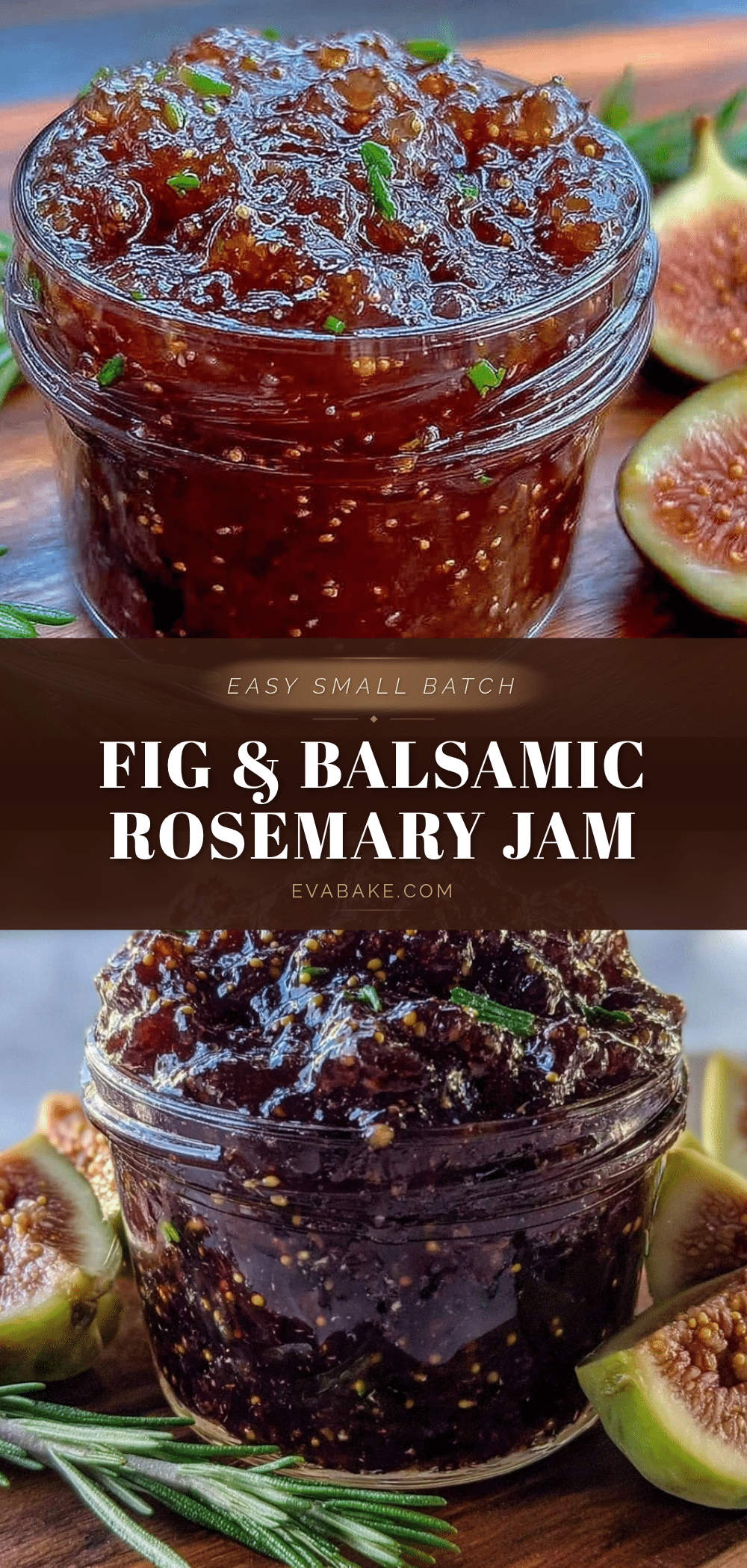
Easy Small Batch Fig and Balsamic Rosemary Jam
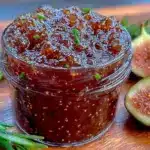
A quick and easy small batch fig jam with a sophisticated twist of balsamic vinegar and fresh rosemary, perfect for breakfast spreads and cheese boards.
- Prep Time: 5 minutes
- Cook Time: 30 minutes
- Total Time: 35 minutes
- Yield: About 1 small jar (approximately 1 cup) 1x
- Category: Condiment
- Cuisine: American
Ingredients
- 1 pound (450 grams) fresh figs, ripe but firm
- ½ cup (100 grams) granulated sugar
- 2 tablespoons balsamic vinegar
- 1 sprig fresh rosemary
- 1 tablespoon fresh lemon juice
- ¼ cup (60 ml) water
- Pinch of sea salt (optional)
Instructions
- Rinse 1 pound (450 grams) of fresh figs gently, then pat dry. Remove the stems and chop the figs into quarters or smaller pieces depending on your desired jam chunkiness.
- In a medium saucepan, combine the chopped figs, ½ cup (100 grams) granulated sugar, ¼ cup (60 ml) water, 2 tablespoons balsamic vinegar, and 1 tablespoon fresh lemon juice. Add a pinch of sea salt if using. Stir gently to mix everything evenly.
- Bruise 1 sprig of fresh rosemary by gently crushing it with the back of a spoon or your fingers to release the oils. Toss it into the saucepan.
- Place the pan over medium heat and bring the mixture to a gentle boil, stirring occasionally to prevent sticking. Once boiling, reduce the heat to low and let it simmer uncovered. Stir frequently—every 5 minutes or so—to avoid burning, especially as the sugar thickens. Simmer for about 25-30 minutes.
- Check the consistency: the jam is ready when it has thickened enough to coat the back of a spoon and the figs have softened but still hold some shape. To test, dip a spoon and run your finger through the jam on the spoon’s back—if it leaves a clear line, it’s done.
- Carefully remove the rosemary sprig and discard. Taste the jam and adjust sweetness or acidity if needed by adding a splash more lemon juice or a pinch more sugar.
- Let the jam cool to room temperature in the pan. Then transfer it to a sterilized jar or airtight container. Refrigerate and use within 2-3 weeks.
Notes
Stir frequently to prevent burning, especially as the sugar thickens. The jam thickens more as it cools, so avoid overcooking. For a smoother texture, mash figs gently during cooking or pulse with a hand blender. Fresh rosemary is preferred for best flavor. Can be frozen in small portions for up to 3 months.
Nutrition
- Serving Size: 2 tablespoons (about
- Calories: 60
- Sugar: 13
- Carbohydrates: 15
- Fiber: 1.5
- Protein: 0.3
Keywords: fig jam, balsamic vinegar, rosemary jam, small batch jam, homemade preserves, easy jam recipe, fruit spread, vegan jam, gluten-free jam