I was peeling apples for what felt like the hundredth time that season, thinking about how apple cider donuts are the one thing you can never quite get enough of — and then I realized I was out of oil for deep frying. The donut craving was real, the apples were already sliced, and the cider was bubbling on the stove. So I did what any reasonable person would do: I poured the batter into a cake pan, rolled the whole thing in cinnamon sugar, and called it a victory. It took about ten minutes for that accidental decision to become my new favorite fall tradition.
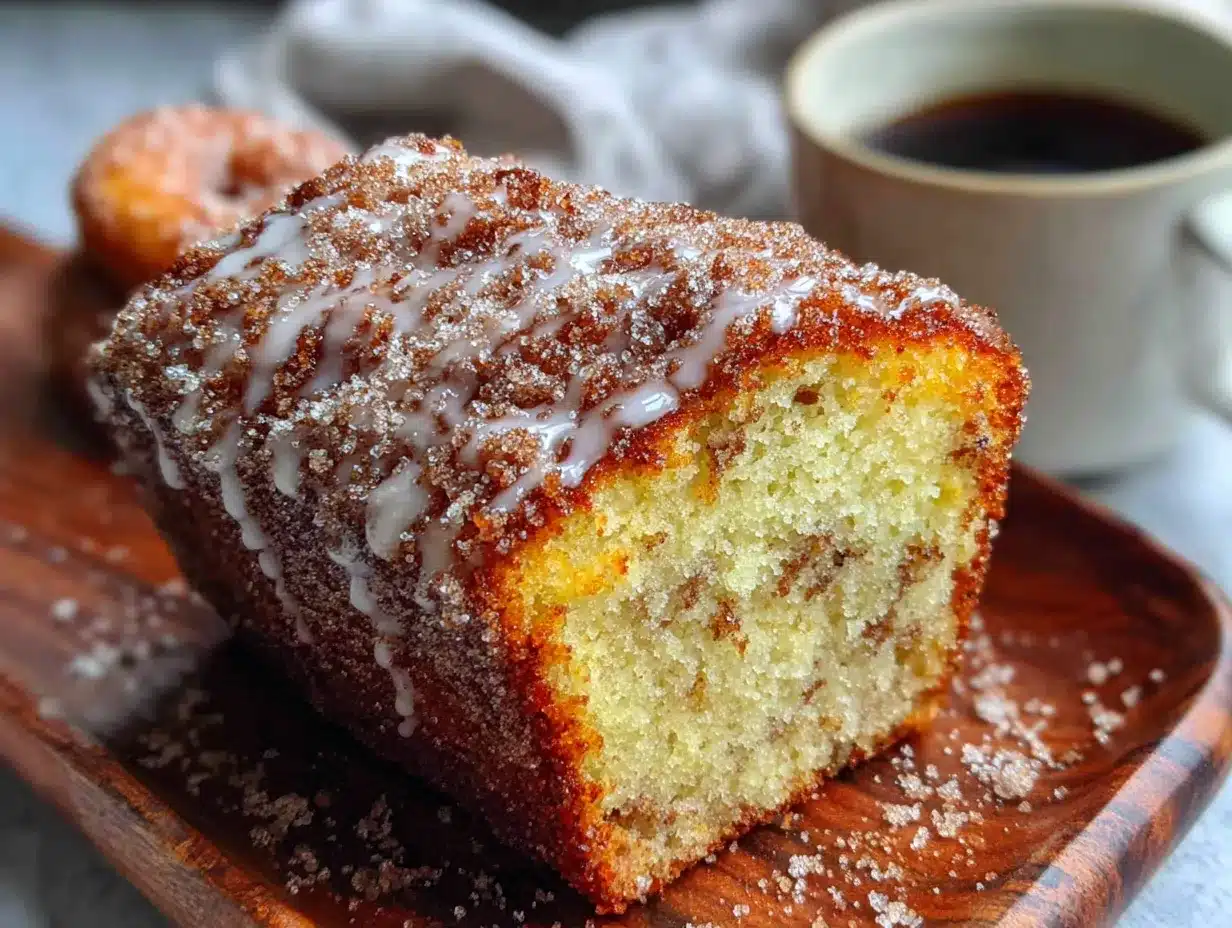
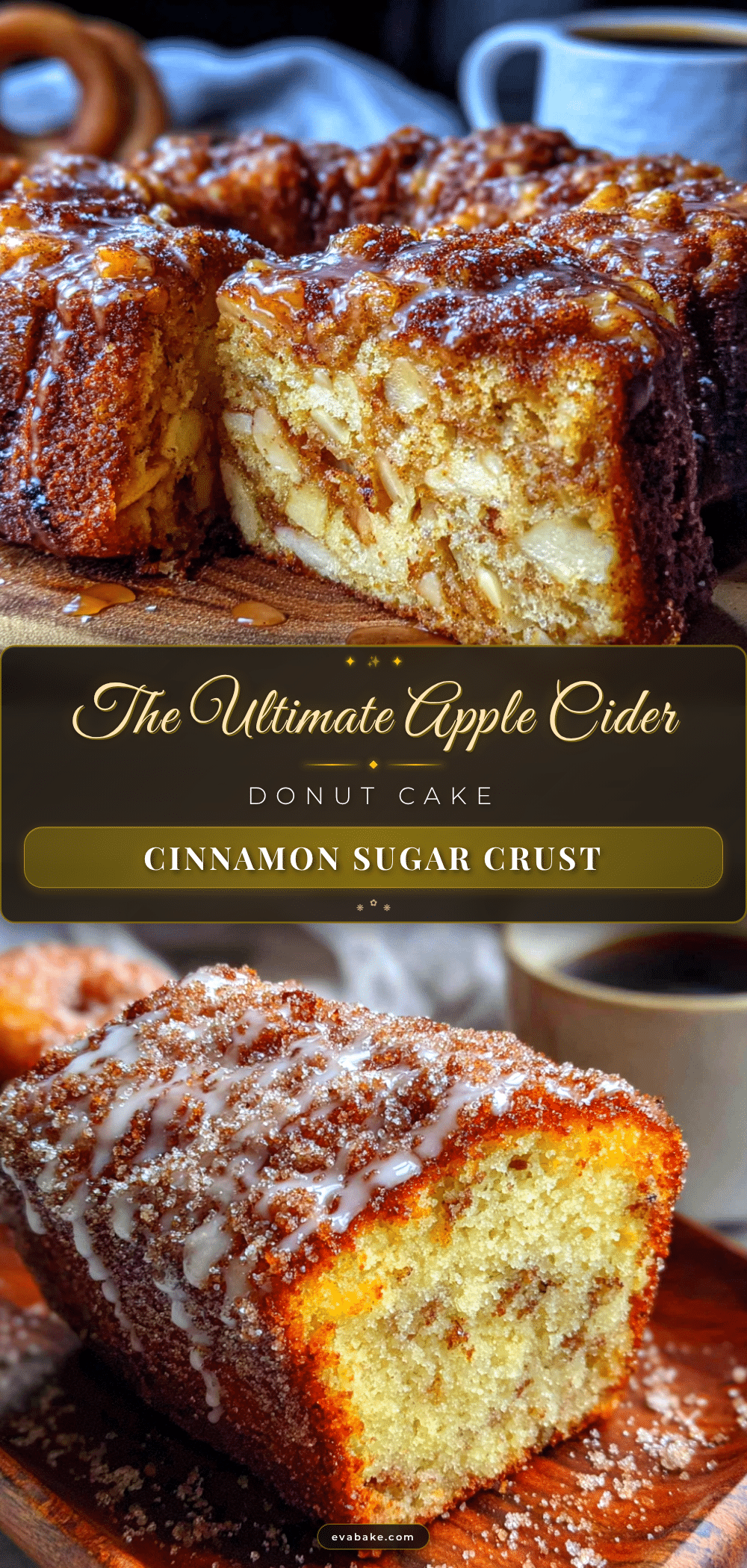
This cake has all the cozy, spiced flavor of those apple cider donuts you wait in line for at the orchard, but without the fuss of frying or the mess of a donut pan. It’s dense and tender in all the right ways, with a crust that crackles when you bite into it. The first time I made it, I stood at the counter eating slice after slice, trying to figure out why it worked so well. Honestly, I think it’s the reduction — simmering the cider down concentrates the apple flavor in a way that fresh juice just can’t match. That little extra step makes all the difference.
This is the kind of cake you make on a rainy Sunday afternoon when you want the house to smell like autumn. It’s simple enough for a weekday treat but impressive enough to bring to a gathering. And honestly? It might be better than the donuts.
Why You’ll Love This Recipe
I’ve tested this cake more times than I care to admit, tweaking the flour ratio and the amount of cinnamon until it was just right. Here’s why it’s become my go-to fall dessert:
- No Deep Frying Required : You get all the flavor of apple cider donuts without the hot oil, the splatter, or the guilt. Just one bowl and a cake pan.
- Simple Pantry Ingredients : Apples, cider, butter, sugar, flour, and spices — you probably have most of this already. No specialty flours or hard-to-find extracts.
- Perfect for Cozy Gatherings : Whether it’s a Thanksgiving brunch, a Halloween party, or just a quiet night in, this cake fits right in. It’s sturdy enough to travel and even better the next day.
- That Cinnamon Sugar Crust : The crackly, buttery coating is what makes this cake unforgettable. It’s the same texture you get from a fresh donut, but on a slice of cake.
- Unbelievably Moist : The reduced apple cider keeps the crumb tender for days. I’ve had slices last almost a week (not that they ever do).
What really sets this apart from other apple cakes is the concentrated cider. Most recipes just pour in the juice and call it a day, but simmering it down first gives you that deep, almost caramelized apple flavor. It’s the kind of detail that makes people close their eyes after the first bite and ask for the recipe.
What Ingredients You Will Need
This recipe uses simple, wholesome ingredients that come together to create something truly special. The key is in the preparation — reducing the cider and letting the flavors meld.
- 2 cups apple cider (not apple juice — cider has more body and depth. I prefer fresh-pressed from a local orchard when I can get it.)
- 2 ½ cups all-purpose flour (spoon and level it — don’t scoop straight from the bag or you’ll end up with a dry cake)
- 1 teaspoon baking powder
- 1 teaspoon baking soda
- 1 teaspoon ground cinnamon
- ½ teaspoon ground nutmeg (freshly grated if you have it — it makes a difference)
- ½ teaspoon salt
- ½ cup unsalted butter, softened (I use Kerrygold for the richness, but any good butter works)
- 1 cup granulated sugar
- ½ cup packed light brown sugar
- 2 large eggs, room temperature
- 1 teaspoon vanilla extract
- ½ cup buttermilk (or make your own by adding 1 tablespoon lemon juice to ½ cup milk and letting it sit for 5 minutes)
- For the Cinnamon Sugar Crust:
- ¼ cup unsalted butter, melted
- ½ cup granulated sugar
- 1 ½ teaspoons ground cinnamon
A note on the cider: I’ve tried this with store-bought cider and it works fine, but the flavor is noticeably better when you use fresh-pressed cider from a farm stand. If you can find it, get the unfiltered kind — it has more apple solids that add texture and flavor to the reduction.
For the buttermilk, I almost always make my own because I never have it on hand. Just add a splash of lemon juice or white vinegar to regular milk and let it sit while you prep the other ingredients. It’s one of those little tricks that saves a trip to the store.
Equipment Needed
You don’t need anything fancy for this cake, which is part of its charm. Here’s what you’ll need:
- 10-inch Bundt pan (or a 9-inch tube pan — just make sure it’s not too shallow)
- Medium saucepan for reducing the cider
- Large mixing bowls (one for dry ingredients, one for wet)
- Whisk and rubber spatula
- Electric mixer (handheld or stand — I’ve used both and they work equally well)
- Cooling rack
- Pastry brush for the butter glaze
If you don’t have a Bundt pan, you can use a 9×13-inch baking dish instead. The baking time will be slightly shorter — start checking at 35 minutes. I’ve also made this in a loaf pan, which works but gives you a taller, denser cake that takes longer to bake through. Just keep an eye on it.
Preparation Method
Let’s get baking. This recipe comes together in about an hour and a half from start to finish, with most of that time being hands-off while the cake bakes.
- Reduce the apple cider. Pour the 2 cups of apple cider into a medium saucepan and bring it to a boil over medium-high heat. Reduce the heat to medium-low and let it simmer, stirring occasionally, until it’s reduced to about ½ cup. This takes about 15-20 minutes. You’re looking for a syrupy consistency — it should coat the back of a spoon. Set it aside to cool completely. Don’t skip this step — it’s the secret to the deep apple flavor.
- Preheat and prep. Preheat your oven to 350°F (175°C). Generously grease your Bundt pan with butter or non-stick spray, making sure to get into all the crevices. Dust it lightly with flour and tap out the excess.
- Mix the dry ingredients. In a medium bowl, whisk together the flour, baking powder, baking soda, cinnamon, nutmeg, and salt. Set aside.
- Cream the butter and sugars. In a large bowl, beat the softened butter, granulated sugar, and brown sugar together until light and fluffy — about 3-4 minutes with an electric mixer. You want it to look pale and aerated.
- Add the eggs and vanilla. Beat in the eggs one at a time, making sure each is fully incorporated before adding the next. Stir in the vanilla extract.
- Alternate the dry and wet ingredients. With the mixer on low speed, add about one-third of the dry ingredients, then half of the buttermilk, then another third of the dry ingredients, then the remaining buttermilk, and finally the last of the dry ingredients. Mix just until combined — overmixing will make the cake tough.
- Fold in the reduced cider. Gently fold the cooled cider reduction into the batter with a rubber spatula. The batter will be thick and smell incredible.
- Bake. Pour the batter into the prepared Bundt pan and smooth the top. Bake for 45-50 minutes, or until a toothpick inserted into the center comes out clean or with a few moist crumbs. The top should be golden brown and spring back when lightly touched.
- Cool in the pan. Let the cake cool in the pan on a wire rack for 15 minutes. Don’t skip this — if you try to turn it out too soon, it will stick. After 15 minutes, invert the pan onto the rack and let the cake cool completely.
- Make the cinnamon sugar crust. While the cake is cooling, melt the ¼ cup of butter in a small bowl. In another bowl, whisk together the ½ cup sugar and 1 ½ teaspoons cinnamon.
- Coat the cake. Once the cake is completely cool, brush the entire surface with the melted butter — use a pastry brush to get into all the nooks and crannies. Then sprinkle the cinnamon sugar mixture generously over the buttered cake, turning it to coat all sides. I like to do this over a sheet pan to catch the excess.
A few notes from my kitchen: If the cake starts browning too quickly on top, tent it loosely with foil for the last 10 minutes of baking. And don’t worry if the cake cracks a little when you turn it out — that’s normal for Bundt cakes, and the cinnamon sugar crust will hide any imperfections.
Cooking Tips & Techniques
I’ve made this cake probably a dozen times now, and I’ve learned a few things the hard way. Here’s what I wish someone had told me:
Don’t rush the cider reduction. I know it’s tempting to crank up the heat and get it done faster, but low and slow is the way to go. If you boil it too hard, the cider can scorch and turn bitter. Keep it at a gentle simmer and stir every few minutes. You’ll know it’s ready when it’s thick enough to coat a spoon and smells deeply of cooked apples.
Room temperature ingredients matter. I learned this lesson after making a cake that turned out dense and flat. Cold eggs and cold buttermilk won’t emulsify properly with the butter, which means your cake won’t rise as well. Take everything out of the fridge 30 minutes before you start baking.
Grease that pan like you mean it. There’s nothing sadder than a beautiful cake that refuses to come out of the pan. Use a pastry brush to get butter into every groove, then dust with flour and tap out the excess. I’ve also had good luck with Baker’s Joy spray — it has flour in it and works like a charm.
Let the cake cool completely before adding the crust. If the cake is still warm, the butter will soak in instead of staying on the surface, and the cinnamon sugar won’t stick properly. Patience pays off here — wait the full hour.
Variations & Adaptations
This recipe is pretty forgiving, and I’ve tried a few twists that turned out great:
- Gluten-Free Version : Swap the all-purpose flour for a good 1:1 gluten-free baking blend (I like King Arthur’s). The texture will be slightly more tender, but the flavor is still spot-on.
- Dairy-Free Adaptation : Use vegan butter and a dairy-free milk mixed with lemon juice for the buttermilk. I’ve done this with oat milk and it worked beautifully — just make sure the butter is solid, not melted.
- Maple Cider Variation : Replace ¼ cup of the granulated sugar with maple syrup and add ½ teaspoon of maple extract to the batter. The maple flavor pairs perfectly with the apple cider.
- Add Some Crunch : Fold in ½ cup of toasted pecans or walnuts along with the cider reduction. The nuts add texture and a little savory balance to the sweetness.
- Spiced Up Version : Add a pinch of ground cloves and cardamom to the dry ingredients for a more complex spice profile. This is great for holiday gatherings.
I tried the maple version last Thanksgiving and it was gone before the turkey even came out of the oven. The maple glaze I drizzled on top (just powdered sugar and maple syrup whisked together) took it over the edge.
Serving & Storage Suggestions
This cake is best served at room temperature, which means you can make it a day ahead and let it sit on the counter overnight. The flavors actually get better as they meld together.
For serving, I like to slice it thick and serve it with a dollop of lightly sweetened whipped cream or a scoop of vanilla ice cream. If you’re feeling fancy, a drizzle of caramel sauce takes it to the next level. It’s also fantastic with a hot cup of coffee or a cozy mug of tea — this cake was practically made for dunking.
For storage, wrap the cake tightly in plastic wrap or keep it in an airtight container at room temperature. It will stay fresh for up to 5 days, though it rarely lasts that long in my house. If you’re in a humid environment, the cinnamon sugar crust might get a little sticky — just re-coat it with fresh sugar before serving.
You can also freeze this cake for up to 3 months. Wrap it tightly in plastic wrap, then foil, and thaw it overnight in the fridge. Let it come to room temperature before serving, and add a fresh coat of cinnamon sugar if needed.
Nutritional Information & Benefits
Here’s the honest truth: this is a treat, not a health food. But it’s made with real ingredients, and there’s something to be said for that. Each slice (assuming 12 servings) contains approximately:
- Calories: 380
- Fat: 16g
- Carbohydrates: 56g
- Protein: 5g
- Fiber: 1g
- Sugar: 38g
The apple cider provides a small amount of vitamin C and antioxidants, and the cinnamon has anti-inflammatory properties. The buttermilk adds calcium and probiotics (if you use real buttermilk). But let’s be real — you’re not eating this for the health benefits. You’re eating it because it tastes like autumn in cake form, and that’s perfectly okay.
If you’re watching your sugar intake, you can reduce the sugar by ¼ cup without affecting the texture too much. The cinnamon sugar crust is non-negotiable, though — that’s where the magic lives.
Conclusion
This cozy apple cider donut cake has become my signature fall dessert, and I think it will become yours too. It has all the flavor of those beloved orchard donuts but with way less fuss and a lot more cake to share. The cinnamon sugar crust crackles under your fork, the crumb is tender and moist, and every bite tastes like a crisp autumn afternoon.
I love that this recipe is forgiving enough for a beginner but impressive enough to bring to a holiday table. You can dress it up with whipped cream or keep it simple with just a dusting of sugar — either way, it’s a winner. And honestly? It makes your whole house smell like apple pie while it bakes, which is reason enough to make it.
If you give this cake a try, I’d love to hear how it turned out. Drop a comment below and let me know if you added your own twist — I’m always looking for new variations to test. And if you’re looking for more cozy fall recipes, don’t miss this pumpkin spice coffee cake or this creamy butternut squash soup for the ultimate autumn menu.
Happy baking, friends. May your kitchen smell like apples and cinnamon all season long.
Frequently Asked Questions
Can I use apple juice instead of apple cider?
You can, but the flavor won’t be as rich. Apple cider has more body and a deeper apple taste because it’s less filtered. If you only have juice, add a teaspoon of apple cider vinegar to mimic some of that tang.
Do I have to reduce the apple cider?
Yes — this is the most important step in the recipe. Reducing the cider concentrates the flavor and removes excess liquid that would make the cake soggy. Don’t skip it.
Can I make this in a loaf pan instead of a Bundt pan?
Absolutely. Use a 9×5-inch loaf pan and bake for 55-65 minutes. The cake will be taller and denser, but it works great. Just adjust the baking time and check with a toothpick.
How do I keep the cinnamon sugar crust from getting sticky?
Make sure the cake is completely cool before you add the butter and sugar. Store the cake in an airtight container at room temperature, and if it gets sticky after a day or two, just sprinkle on a fresh layer of cinnamon sugar before serving.
Can I freeze this cake?
Yes! Wrap it tightly in plastic wrap and then foil, and freeze for up to 3 months. Thaw overnight in the fridge, then let it come to room temperature. Add a fresh coat of cinnamon sugar before serving for the best texture.
Pin This Recipe!
Cozy Apple Cider Donut Cake: Best Homemade Recipe
This cake has all the cozy, spiced flavor of apple cider donuts without the fuss of frying. It’s dense and tender with a crackly cinnamon sugar crust, made from simple pantry ingredients.
- Prep Time: 20 minutes
- Cook Time: 50 minutes
- Total Time: 1 hour 10 minutes
- Yield: 12 servings 1x
- Category: Dessert
- Cuisine: American
Ingredients
- 2 cups apple cider
- 2 ½ cups all-purpose flour
- 1 teaspoon baking powder
- 1 teaspoon baking soda
- 1 teaspoon ground cinnamon
- ½ teaspoon ground nutmeg
- ½ teaspoon salt
- ½ cup unsalted butter, softened
- 1 cup granulated sugar
- ½ cup packed light brown sugar
- 2 large eggs, room temperature
- 1 teaspoon vanilla extract
- ½ cup buttermilk
- ¼ cup unsalted butter, melted (for crust)
- ½ cup granulated sugar (for crust)
- 1 ½ teaspoons ground cinnamon (for crust)
Instructions
- Reduce the apple cider: Pour 2 cups apple cider into a medium saucepan and bring to a boil over medium-high heat. Reduce heat to medium-low and simmer, stirring occasionally, until reduced to about ½ cup (15-20 minutes). Set aside to cool completely.
- Preheat oven to 350°F (175°C). Generously grease a 10-inch Bundt pan with butter or non-stick spray, dust with flour, and tap out excess.
- In a medium bowl, whisk together flour, baking powder, baking soda, cinnamon, nutmeg, and salt. Set aside.
- In a large bowl, beat softened butter, granulated sugar, and brown sugar together until light and fluffy (3-4 minutes).
- Beat in eggs one at a time, then stir in vanilla extract.
- With mixer on low, add dry ingredients and buttermilk alternately: one-third dry, half buttermilk, another third dry, remaining buttermilk, then last of dry. Mix just until combined.
- Gently fold cooled cider reduction into batter with a rubber spatula.
- Pour batter into prepared pan and smooth top. Bake for 45-50 minutes, until a toothpick inserted in center comes out clean or with a few moist crumbs.
- Cool cake in pan on a wire rack for 15 minutes, then invert onto rack and cool completely.
- While cake cools, melt ¼ cup butter in a small bowl. In another bowl, whisk together ½ cup sugar and 1½ teaspoons cinnamon.
- Once cake is completely cool, brush entire surface with melted butter. Sprinkle cinnamon sugar mixture generously over buttered cake, turning to coat all sides.
Notes
Don’t rush the cider reduction; low and slow prevents scorching. Use room temperature ingredients for best rise. Grease the pan thoroughly to prevent sticking. Let cake cool completely before adding cinnamon sugar crust. If cake browns too quickly, tent with foil for last 10 minutes.
Nutrition
- Serving Size: 1 slice
- Calories: 380
- Sugar: 38
- Sodium: 280
- Fat: 16
- Saturated Fat: 10
- Carbohydrates: 56
- Fiber: 1
- Protein: 5
Keywords: apple cider donut cake, apple cider cake, fall dessert, cinnamon sugar cake, easy apple cake, bundt cake, homemade apple cake